On Friday, Canada and Finland faced off in the first of two semi-final games at the 2026 Winter Olympics to determine which team would play in the gold-medal game on Sunday. Both clubs faced adversity heading into the contest, but neither team relied on excuses, playing with all the grit and passion they could muster.
Related: Guide to the 2026 Winter Olympics Women’s Hockey Tournament
Canada started the game with two Florida Panthers, Sam Bennett and Brad Marchand, in hopes of setting the tone early, but Finland, the defending Olympic gold medalists from Beijing in 2022, set the tone and pace of play with Mikko Rantanen and his offensive game. Their defence-first strategy and opportunistic offence controlled the game over all three periods. In the end, Canada dug in for a hard-fought battle with Finland and took the 3-2 win, scoring the go-ahead goal late in the third.
Finnish Trap
Team Finland is known for their disciplined and methodical defensive system that prioritizes structure and positioning above all else. Both defenders and forwards are coached to collapse into compact formations without the puck, funnelling opposing attacks to the perimeter, which they did almost perfectly in the first period against Canada. They had limited time and space in high-danger scoring areas. They also did well in minimizing odd-mad rushes and cut off the neutral zone to eliminate Canada’s speed.
Their commitment to gap control and disciplined backchecking means that even under heavy offensive pressure, Finland rarely caves in the defensive zone. Finland’s defensive style, also known as the trap, is also the source of their offence as they rely on generating shots off the rush. Their defenders, especially Miro Heiskanen, are quick to pivot and join counterattacks only when they have clear support, which helps prevent turnovers in dangerous situations.
Getting the first goal played into their game plan as Finland could rely on their defensive scheme and remain patient. They didn’t need to go hunting for goals, unlike Canada, which fell behind by two halfway through the game.
Team Canada Adjustments
Sidney Crosby was ruled out for the game with a lower-body injury. Crosby is still one of the world’s best players, and more importantly, he is Team Canada’s leader. It was important to make only a few adjustments as Canada needed to rely on the chemistry they’ve built to this stage of the tournament. That’s why Crosby’s third-line centre role fell to a player who plays a similar relentless style with grit and skill: Nick Suzuki. Suzuki is not the next Crosby, but he can provide quality defensive play and has the skill to add some offence as well.
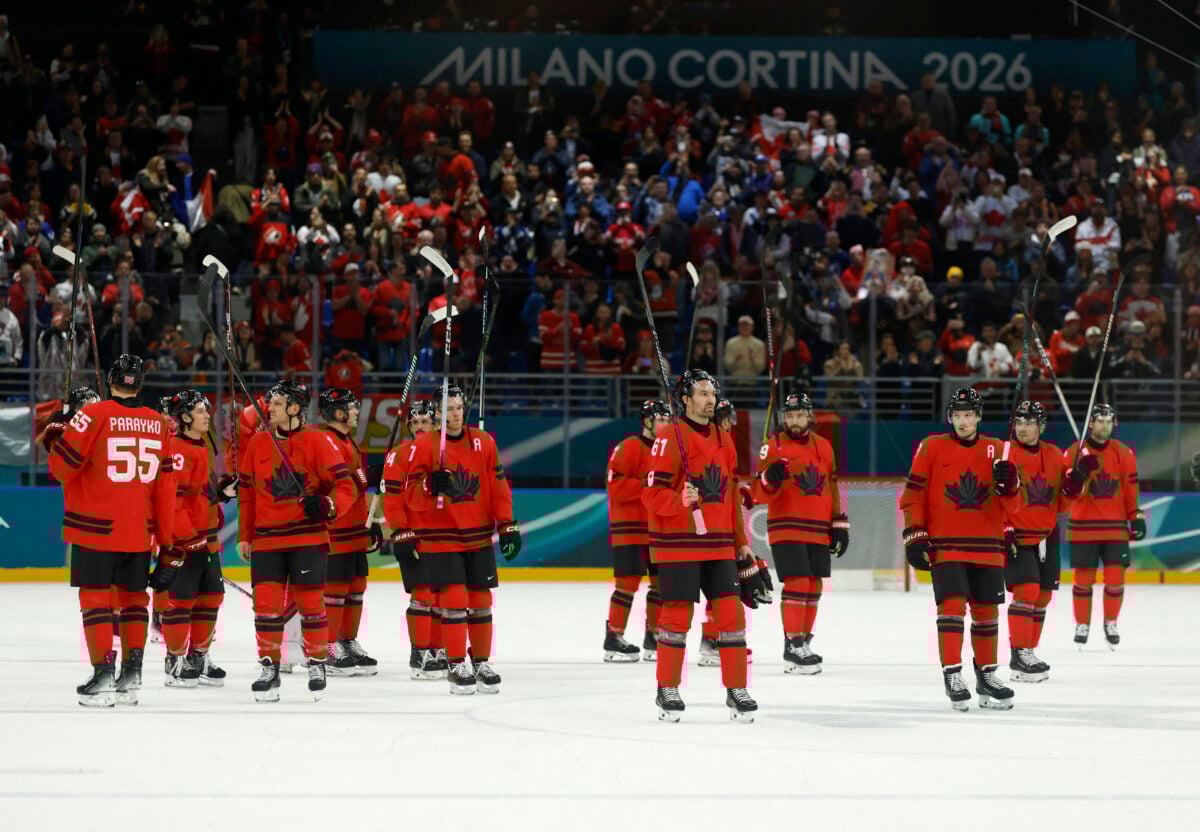
But that’s on the ice. Brad Marchand and Conor McDavid did all they could to keep the bench calm and focused without Crosby in the lineup. Yet it’s more than just adjusting lines or finding another voice to settle the team down; it also affected their opponent’s game plan. Finland played the trap to negate Canada’s offensive style.
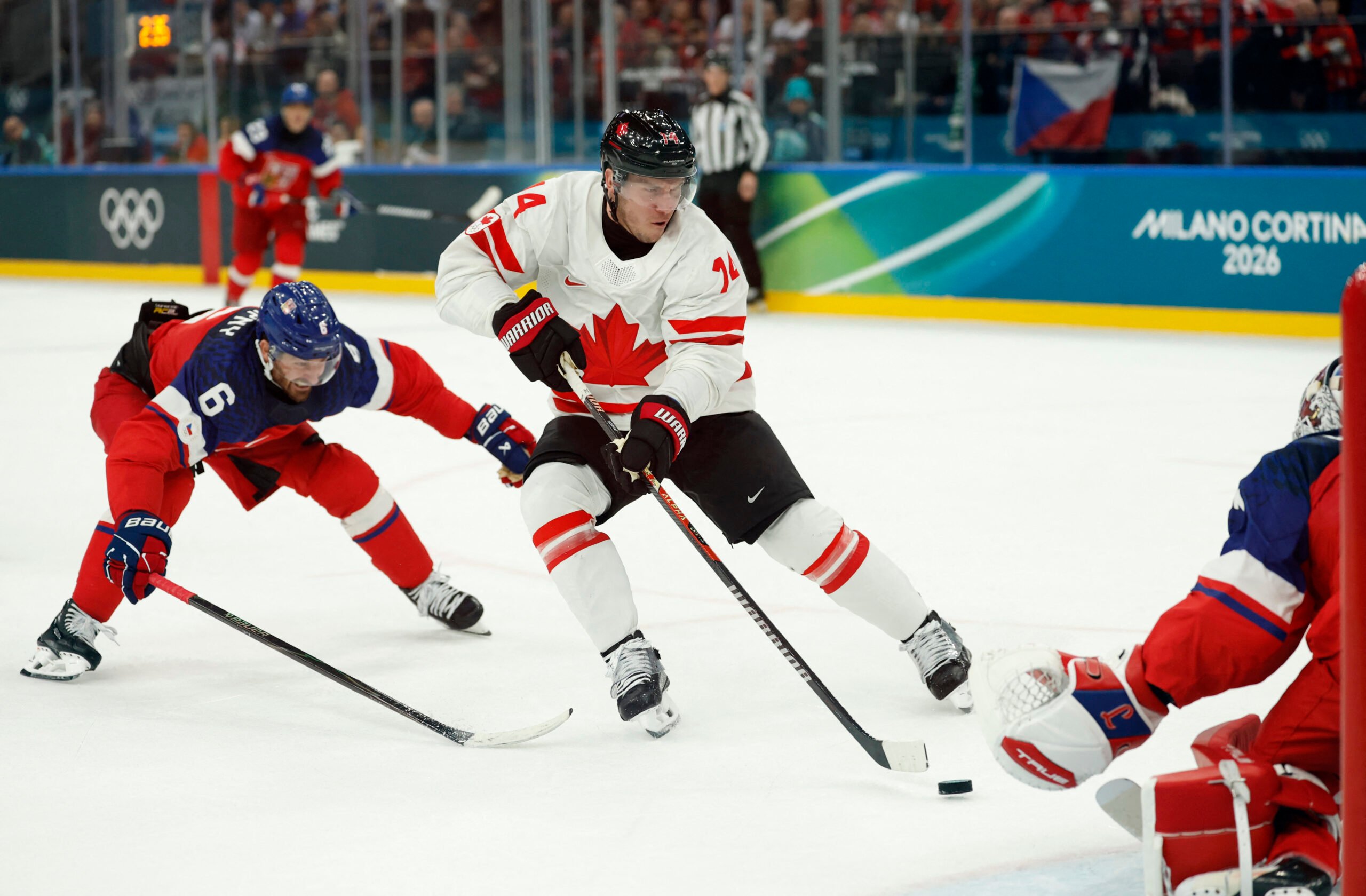
Canada set up a cycle game in the second period, as the transition play and rush chances were shut down by Finland’s trap defence. This helped them control the play and grind down the opposition’s defence. It’s how Canada scored their first goal in the second period, and their second one to tie the game at 2-2, when Shea Theodore rifled a shot top shelf 11 minutes into the third period.
It did it again, late in the third, when Nathan MacKinnon scored a power-play goal with 35 seconds remaining, despite an offside challenge.
Finland vs. Canada Came Down to Special Teams
Discipline. That was the story early. Finland played a disciplined game that Canada lacked early on. A penalty to Sam Bennett late in the first period led to an offensive zone faceoff and a clear shot for Rantanen to score on the power play (PP) only two seconds into their second PP.
On their second goal, to go ahead 2-0, Finland used Canada’s aggressive attack to blow the zone as the puck was cleared, and Erik Haula scored a short-handed goal. The Canadian PP made some adjustments after allowing that goal.
They kept moving the puck around along the outside instead of forcing a play into the middle, which Finland had flooded, leading to Sam Reinhart getting a tip off a Cale Makar point shot, who simply put the puck on net to tie the game 2-2 once Canada was finally able to set up a net-front presence.
Team Canada’s Next Game
Canada now awaits the result of the second semi-final game, with Slovakia taking on Team USA at 3 pm, to find out their opponent in the gold medal game on Sunday at 8:10 am ET.