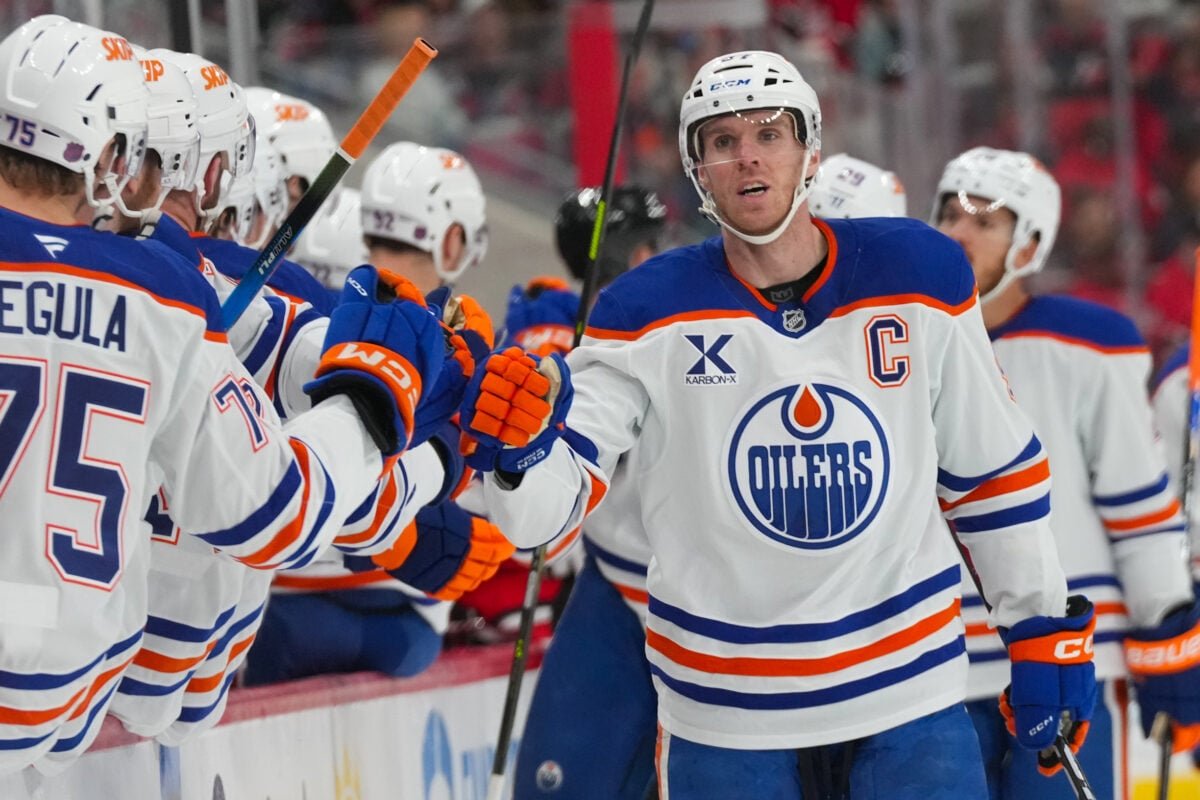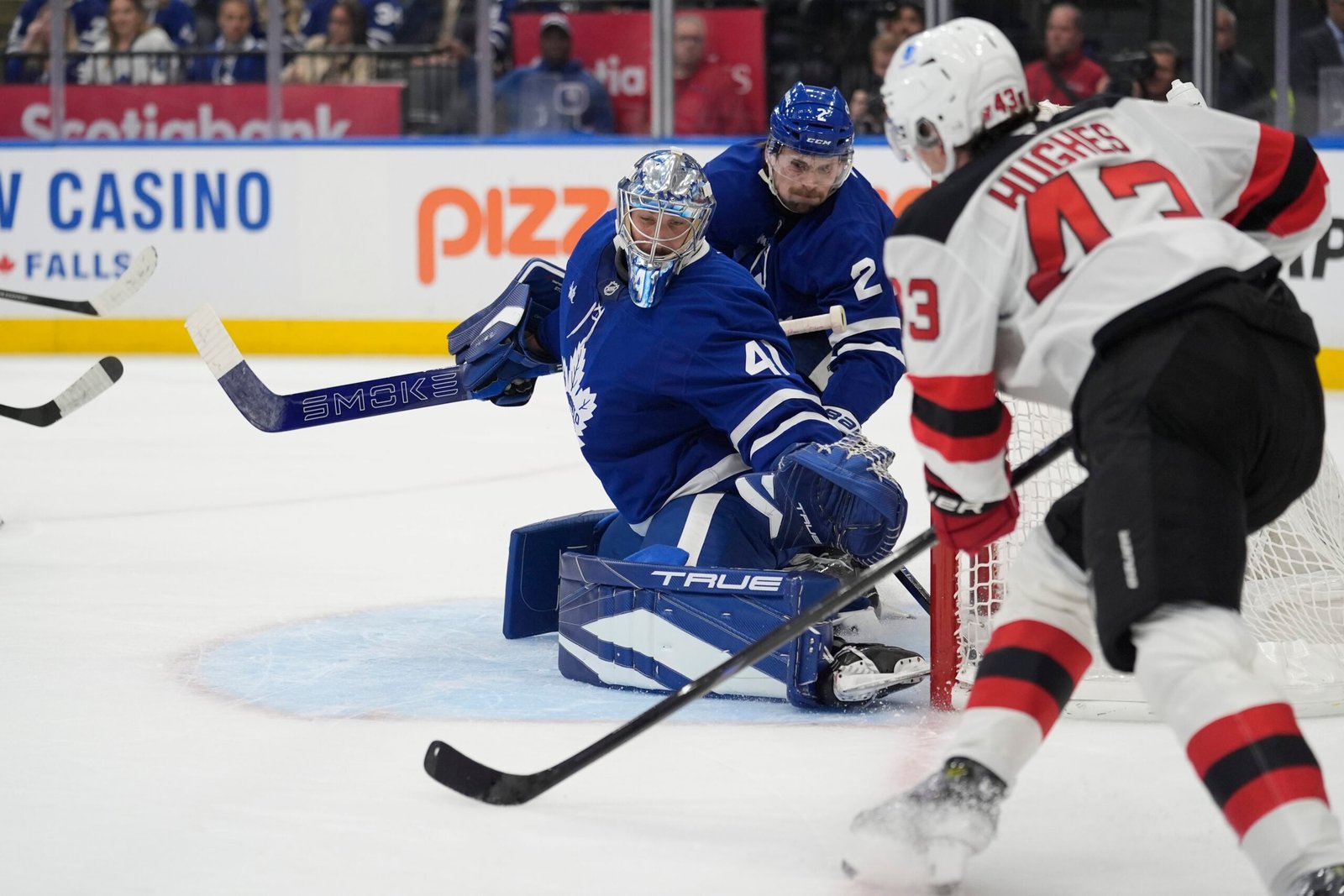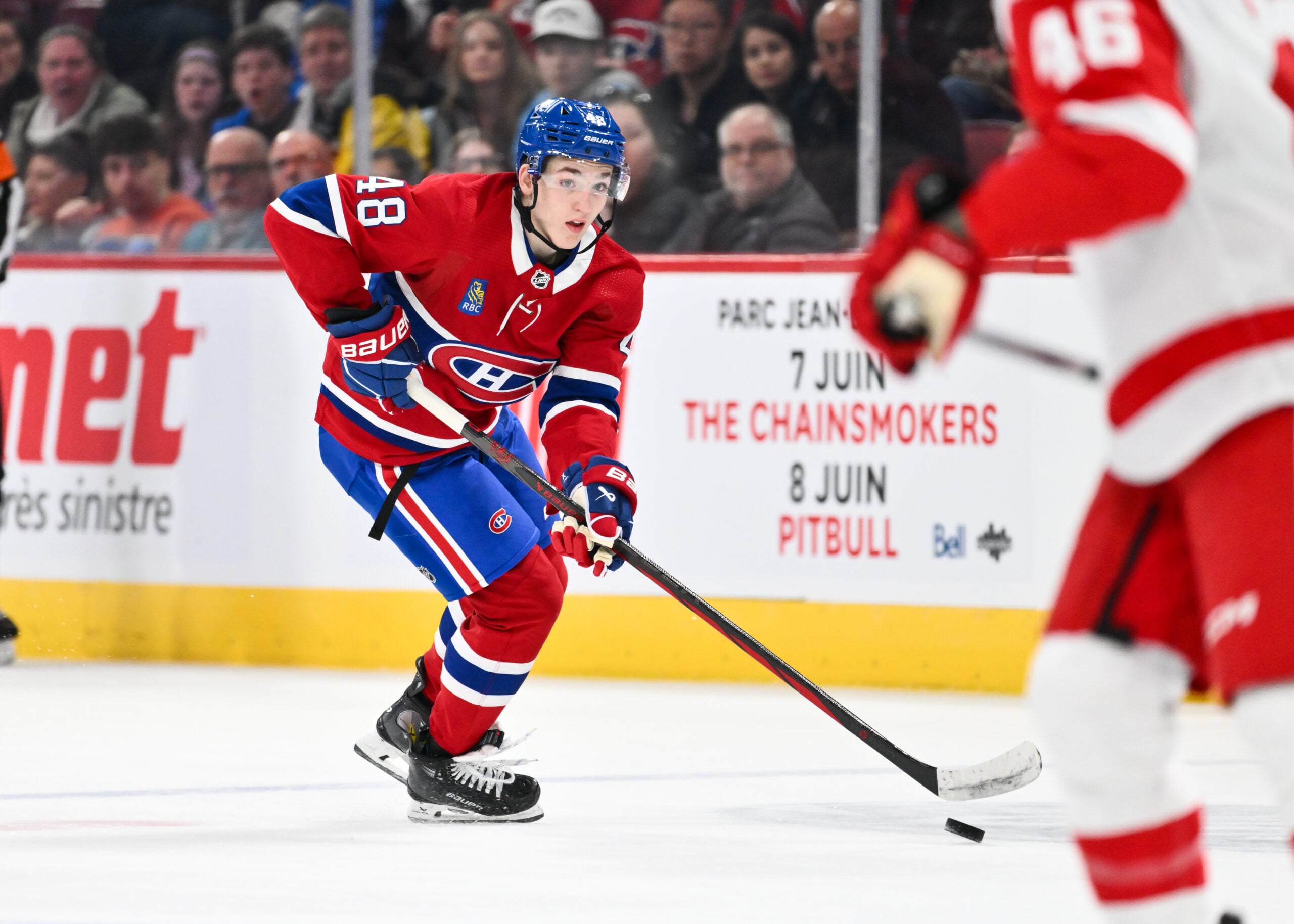
Hockey players rely on pattern recognition more than almost any other athletes in sports.
The NHL moves too quickly for conscious analysis. Players react to familiar cues: a slight weight shift before a shot, a defender opening his hips before a breakout pass, or a puck carrier slowing before cutting toward the middle.
Those cues trigger instant reactions. Lane Hutson breaks them.
The Invisible Skill Behind Hutson’s Game
Hutson’s greatest advantage may be cognitive speed.
Most NHL players operate in a read-and-react mode. The pace leaves little time for deliberate evaluation. Hutson appears able to process the play while reacting to it at the same time.
He announced his arrival by winning the Calder Trophy as the NHL’s top rookie. In his second season, he continues to draw league-wide attention and build on that early impact.
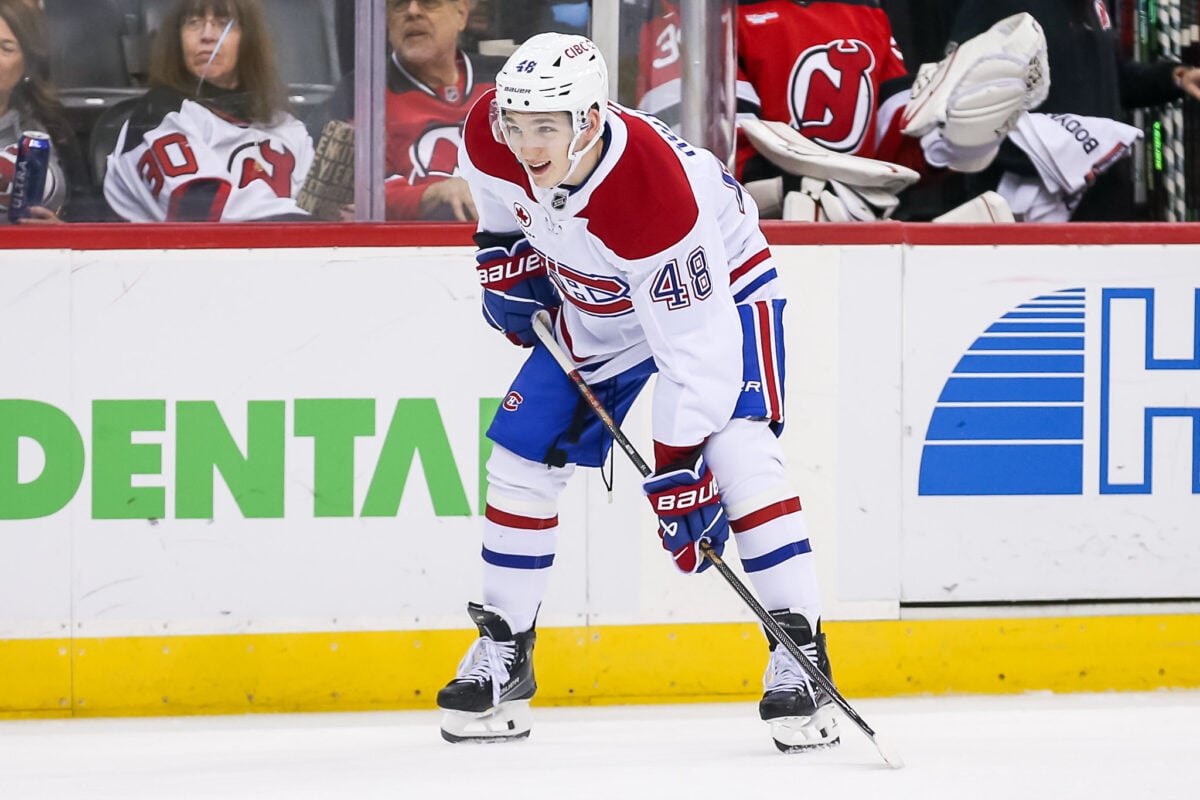
The reason becomes clear whenever he carries the puck. Hutson crosses the blue line as a defender squares up in front of him. His shoulders suggest a lateral move along the line. A quick head fake and subtle deke follow. Hutson slips inside the defender and suddenly a passing lane appears. That moment of hesitation is all he needs.
The Draft Miss That Says Everything
Hutson’s draft position reveals an important part of his story.
Montreal selected him 62nd overall in the 2022 NHL Entry Draft, near the end of the second round. Nearly every team passed on him twice before Montreal called his name.
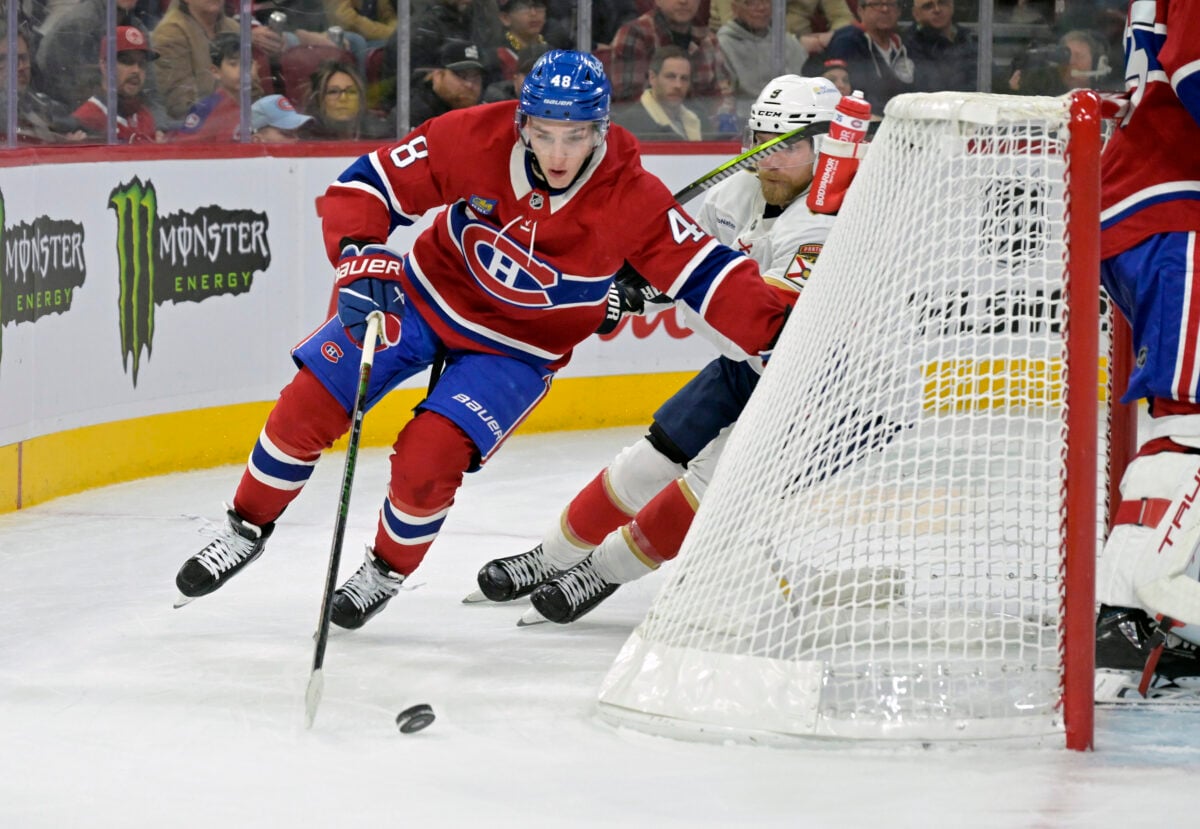
Scouts saw the skating, creativity, and puck skills. They also saw a defenceman under 5-foot-9 and roughly 150 pounds. For decades, that profile has made most teams hesitate.
Elite Edgework Creates Unpredictability
Hutson’s skating forms the foundation of his game. Elite skating means more than straight-line speed. It requires rapid weight transfers, sharp directional changes, and control through traffic.
Hutson excels in each area. His movement resembles a water strider dancing across the surface of a lake, balanced and constantly adjusting without losing speed.
Related: Canadiens’ Lane Hutson Reaches 100 Career Assists
Most players move in predictable ways. They accelerate in straight lines, glide before passing, or pause before changing direction. Hutson rarely does.
He pivots without slowing. Direction changes appear through subtle shifts in his shoulders or hips. At times he skates directly toward pressure before slipping through it seconds later.
Why Hutson Is So Difficult to Read
Successful defence relies heavily on anticipation and deception. Defenders study hips, shoulders, and stick position for clues about the next move. Open hips often signal a change in direction. Shoulders turning toward the slot may indicate a pass.
Hutson constantly disrupts those signals. His balance and puck control allow instant changes in direction. His body may suggest one move while his hands execute another. At times his shoulders open as if he plans to pass, yet the puck never leaves his stick.
For defenders trained to recognize patterns, that uncertainty creates hesitation.
Thinking at Full Speed
What is even more interesting is that many elite playmakers control the pace by deliberately slowing down the game.
Players such as Nikita Kucherov and Kirill Kaprizov often appear to hold the puck longer than everyone else. The momentary pause allows them to scan the ice before deciding.
Connor McDavid and Nathan MacKinnon overwhelm opponents in a different way. Their speed forces defenders to react, or at least to try, before they can process the play.
Where Hutson Fits Among the NHL’s Best Defensemen
The modern offensive defenseman is defined by players such as Quinn Hughes and Cale Makar. A natural comparison for Hutson is the Minnesota Wild defenceman Hughes.
Both players lack traditional size yet excel at controlling possession. Hughes already ranks among the league’s most dynamic players because of his mobility and vision.
Makar represents another version of the modern defenseman. Makar blends elite skating with explosive power and a dangerous shot, attacking defences with force.
Related: What Would it Take for Cale Makar to Surpass Bobby Orr?
Hughes and Makar began establishing themselves as elite offensive defensemen at similar stages of their careers. Hughes broke through with 76 points in his fourth full season. Makar reached 86 in his third.
Hutson recorded 66 points in his rookie season and now sits two points short of that total with 20 games remaining. That trajectory does not guarantee similar production, but it suggests he may enter that conversation sooner than many expected.
A Style Built on Adaptation
Hutson’s development path explains much of his style. At roughly 5-foot-9 and 160 pounds, he never possessed the physical advantages many defensemen rely on.
Instead, he built his game around skating, deception, and intelligence. Rather than battle larger opponents for space, he avoids them. Instead of absorbing contact, he sidesteps it and disrupts opponents with his stick.
His defensive stick work resembles that of Hall of Famer Nicklas Lidstrom, one of the greatest defenders to ever rely on positioning and stick detail rather than physical force.
A New Archetype of Defenseman?
For decades, NHL evaluation focused on physical traits. Height. Weight. Speed.
The modern game continues to evolve. As the pace increases, intelligence becomes more valuable. Players who process information faster than others gain a growing advantage.
Hutson does not rely on physical advantages. His edge is how quickly he processes the game. The central question across the league is no longer whether Hutson can handle the physical demands of the NHL.
It’s whether the player nearly every team passed on twice represents a new archetype of defenceman.