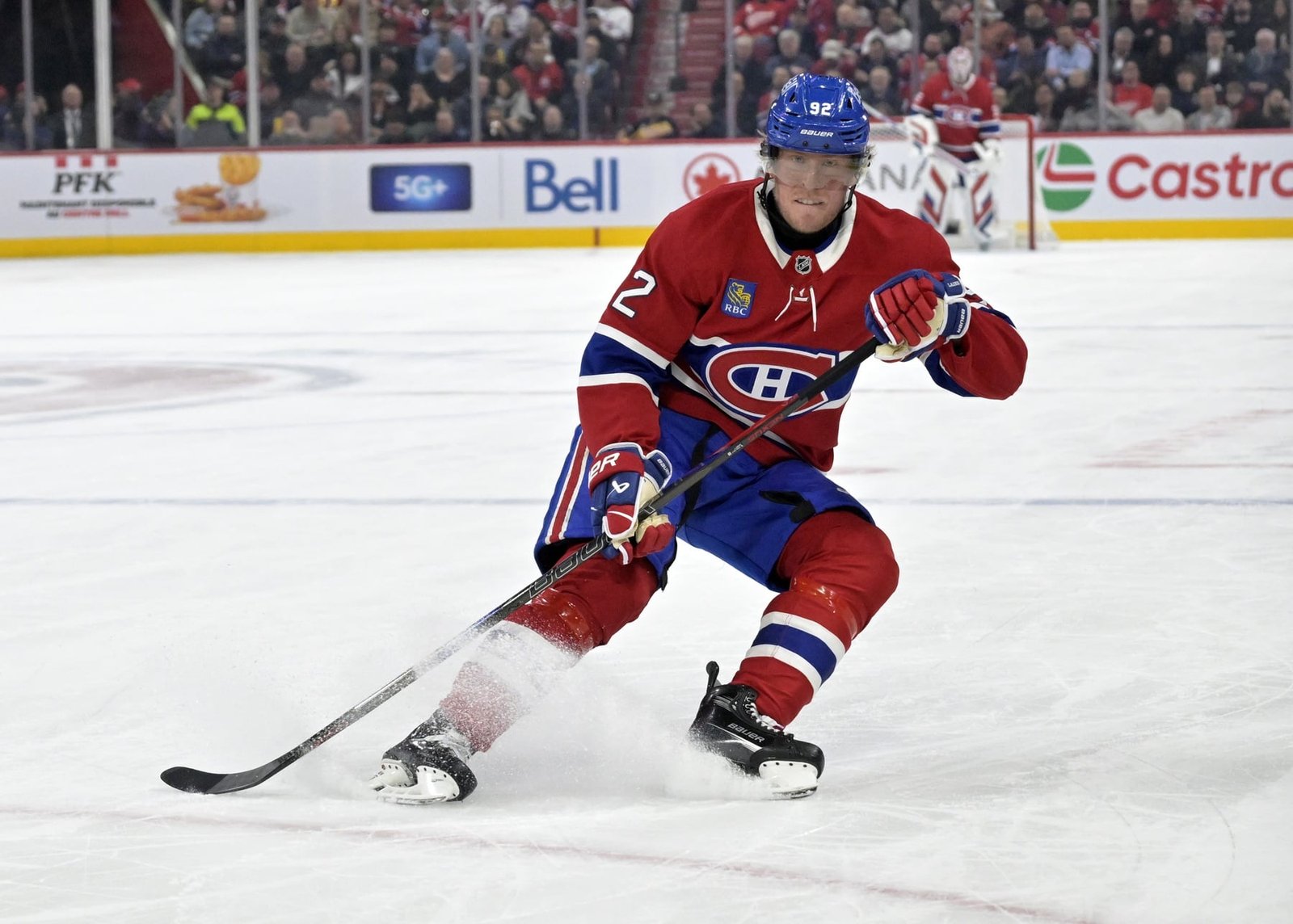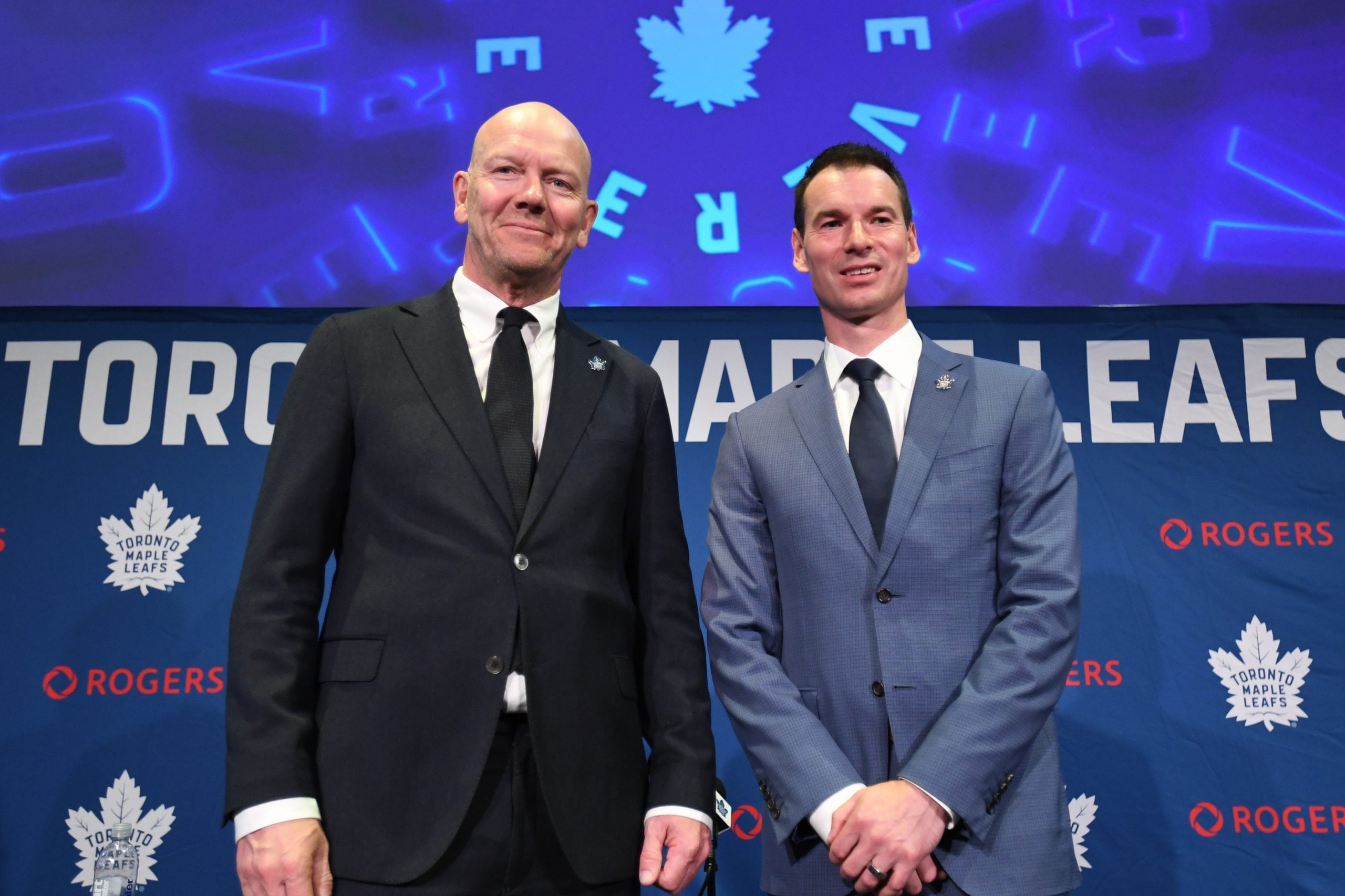
When news broke that the Toronto Maple Leafs planned to interview Joe Pavelski for their vacant head coaching position, the reaction was predictably loud. This is Toronto. Nothing happens quietly. But beneath the noise, something interesting is taking shape: a front office paying attention to what works in the modern NHL rather than defaulting to what’s familiar.
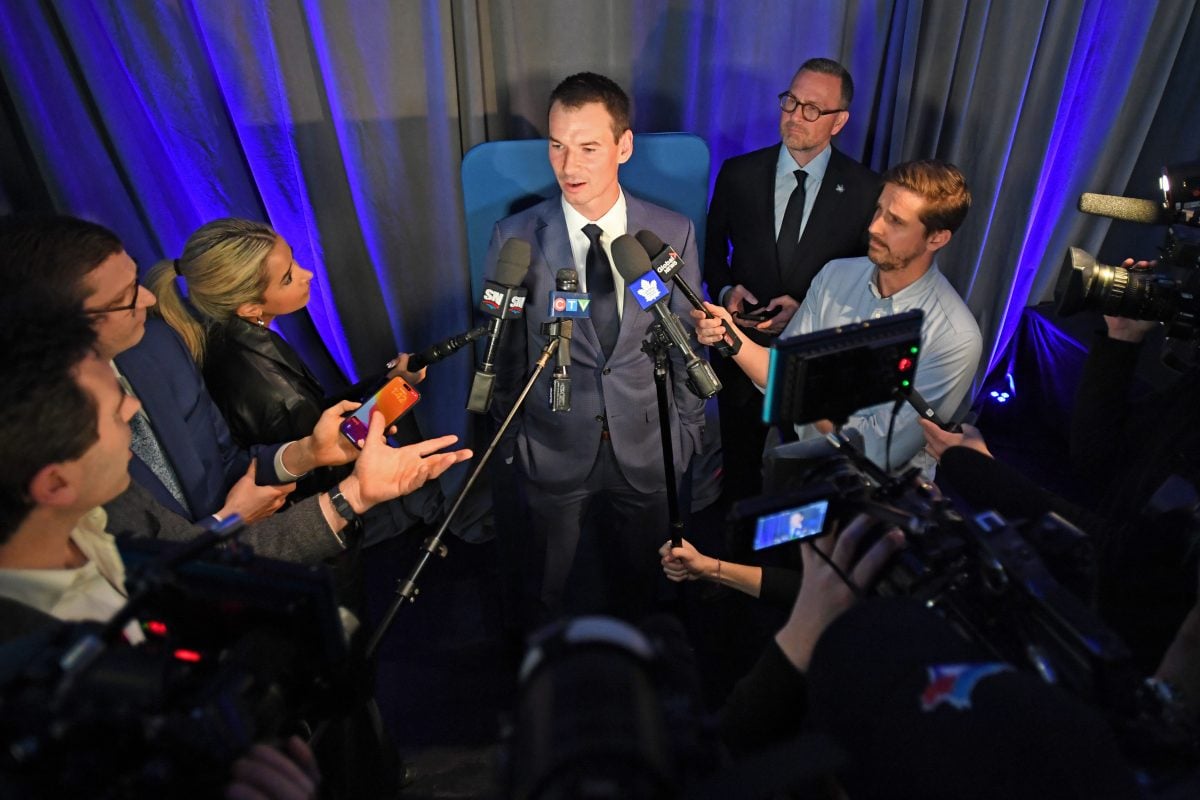
New general manager John Chayka has been explicit about his process. Speaking to reporters at the NHL Scouting Combine in Buffalo, he described an exhaustive first phase of candidate conversations before narrowing to in-person interviews with a small group of finalists. Pavelski is among them. One source described him to Sportsnet’s Elliotte Friedman as a “Martin St. Louis-style candidate.” That framing is deliberate, and it points directly to Chayka’s thesis.
The League’s Default, and Toronto’s Departure From It
To understand what Toronto appears to be attempting, it helps to state the central point plainly: the Maple Leafs appear to be embracing a modern philosophy that prioritizes innovation over familiarity and tradition. This summer’s coaching carousel produced Peter Laviolette in Los Angeles, a competent, experienced, recycled option making his seventh head coaching stop, and, more controversially, the reported near-hiring of Mike Babcock in Edmonton.

Babcock hasn’t coached since resigning from Columbus in September 2023, without coaching a game amid an NHLPA investigation into allegations he demanded access to players’ phones and scrolled through their personal photos. These hires signal an organization looking backward for answers. Toronto is looking somewhere else. And the model they appear to be following runs directly through Montreal.
Montreal Made This Impossible to Ignore
When the Montreal Canadiens handed Martin St. Louis the interim coaching job in February 2022, the hockey world received it with polite skepticism. St. Louis had no professional coaching experience. He had coached minor hockey, including his own sons. He was walking into a struggling, rebuilding franchise with only player credibility and an undrafted player’s chip on his shoulder. Critically, he was also walking into Montreal, a fanbase that gave him genuine room to work.
What followed is now difficult to dismiss. St. Louis didn’t just stabilize Montreal; he rebuilt the culture from the inside out. His approach was defined by clarity, freedom, and belief in his players’ ability to figure things out when given the right concepts and environment. The Canadiens, written off as a multi-year rebuild, are now a legitimate playoff contender who reached the Eastern Conference Final this past season. St. Louis looks less like a curiosity and more like one of the sharper coaching minds in the game.
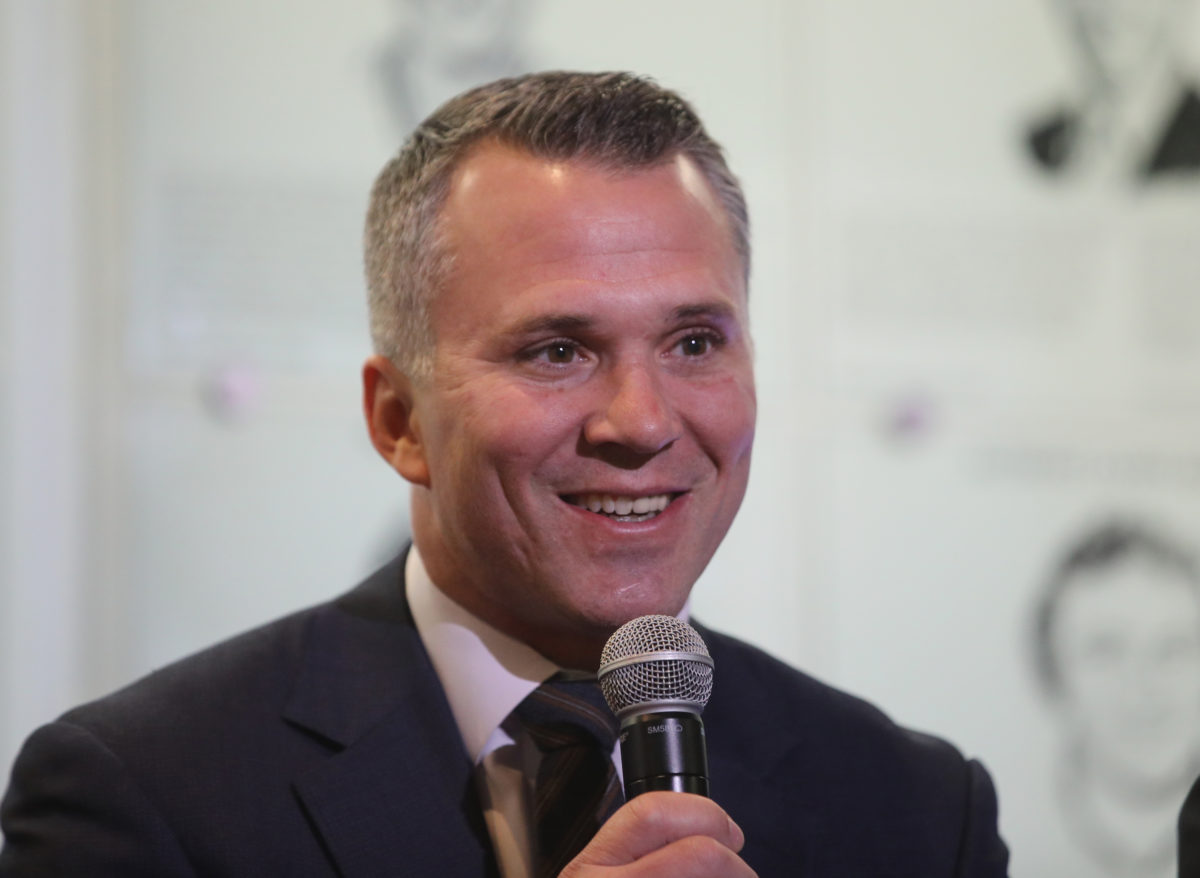
His credentials as a player made the approach credible from day one in a way no career assistant could replicate. St. Louis won the Hart Trophy as league MVP and the Art Ross Trophy as the NHL’s leading scorer in 2003-04, won a second Art Ross at age 37 in 2013, becoming the oldest player ever to lead the league in scoring, and won the Stanley Cup with the Tampa Bay Lightning in 2004 under John Tortorella. He was inducted into the Hockey Hall of Fame in 2018.
He went undrafted out of the University of Vermont because scouts thought he was too small and spent his career proving everyone wrong through intelligence, preparation, and a relentless work ethic. That combination, elite credibility, underdog mentality, and development-first philosophy, is what Montreal bought when they hired him. Chayka appears intent on bringing that same mindset to Toronto.
The Pavelski Case: Real Parallels, Real Limits
Pavelski is a reasonable place to look if you’re trying to find the next version of that profile. The surface similarities are genuine. Like St. Louis, Pavelski was a draft afterthought, selected 205th overall in the seventh round of the 2003 NHL Entry Draft by the San Jose Sharks. Like St. Louis, he spent his career defying the low expectations attached to that draft position, finishing with 1,068 points in 1,332 regular-season games. He holds the all-time record for playoff goals by an American-born player, with 74 across 201 postseason games.
He captained San Jose for four seasons, led the Sharks to their first-ever Stanley Cup Final in 2016, and then helped the Dallas Stars reach the Final again in 2020. He is universally regarded as one of the great leaders of his generation, a player whose departure from San Jose coincided almost immediately with that franchise’s decline.
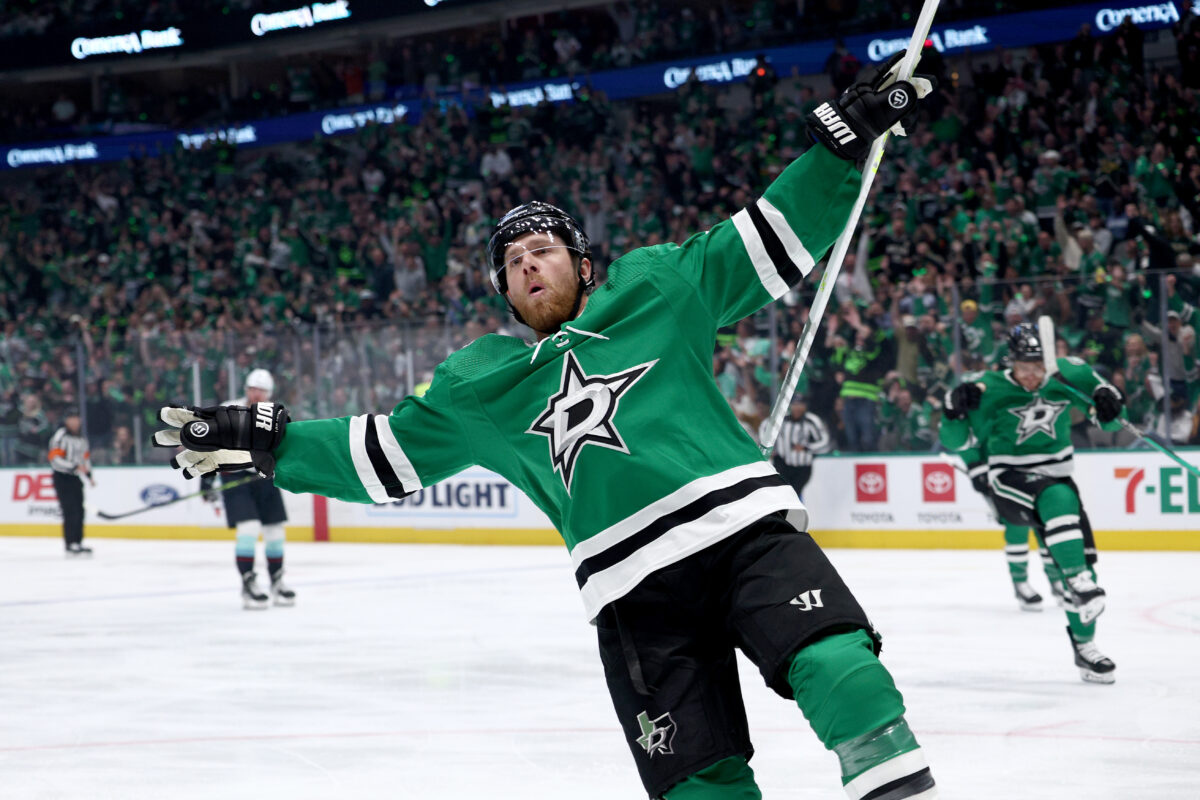
Since retiring after the 2023-24 season, Pavelski coached the Madison Capitols 15U AAA, his son Nate’s team, and is now, apparently, being considered for one of the most scrutinized jobs in professional hockey. The arc is not entirely unlike St. Louis walking into Montreal.
St. Louis arrived in Montreal with a Hart Trophy, two Art Ross Trophies, and a Stanley Cup ring. Pavelski’s trophy case, while respectable, contains none of those. He was a four-time All-Star who finished seventh in Hart Trophy voting in 2013-14, a fine career by any measure but not the kind of individual dominance that gives a first-time coach instant, unquestioned authority in an NHL room. The credibility Pavelski carries is built on longevity, leadership, and character rather than singular individual hardware.
The other limit is the environment itself, which goes deeper than roster construction or rebuild timelines. Montreal is widely regarded as one of the most knowledgeable hockey fanbases in the world, but also one of the most patient and culturally supportive. They gave St. Louis genuine room to work, make mistakes, and find his footing as a first-time coach. That patience isn’t incidental to his success; it’s part of the foundation he built on.
Toronto’s fanbase is equally passionate and knowledgeable. But decades of raised and dashed expectations have produced something categorically different: an almost structural impatience, baked into the franchise’s culture and its supporters. A first-time coach in Montreal gets the benefit of the doubt. A first-time coach in Toronto gets a clock on his back from opening night. That distinction matters more than any comparison of roster depth or ownership timelines. Pavelski wouldn’t just be coaching in a bigger market; he’d be coaching in a fundamentally less forgiving one.
The Toronto Variable
The Maple Leafs missed the playoffs this past season for the first time in nine years, finishing 32-36-14 for 78 points. The front office was overhauled, and Chayka came in alongside senior executive advisor Mats Sundin, assistant general manager Judd Brackett, and chief of staff Freddie Hamilton as part of a sweeping structural reset. The team holds the first overall pick in the upcoming draft. Auston Matthews remains on the roster. The window, if there is one, involves considerable pressure to produce results.
Whoever Chayka hires walks into the most media-saturated hockey market in the world, with a fanbase that has waited decades and an ownership group not historically known for patience. St. Louis walked into Montreal as a celebrated figure; everyone in that city knew exactly who he was and what he had accomplished. What he had was a fanbase culturally disposed to support the process rather than demand the result. In Toronto, the result is always the only thing that matters and is always needed immediately. Pavelski would be a known and respected figure, but the room for error is not comparable.
Whether he has the tools to navigate that environment, daily scrutiny, pressure cycles, and the franchise’s historical tendency to implode at the worst moments is genuinely unknowable. That is the central question Chayka will need to answer throughout these interviews, and no amount of surface-level parallels with St. Louis will resolve it.
What the Process Itself Signals
Whatever the outcome, the fact that this conversation is happening at all is meaningful for a franchise that has spent years cycling through familiar names and disappointments because it signals a possible break from that pattern.
Montreal’s success with St. Louis didn’t happen in a vacuum and didn’t go unnoticed around the league. It demonstrated that player credibility, development philosophy, and emotional intelligence could be as valuable as a decade of coaching experience. Chayka appears to have absorbed that lesson and is at least asking whether it applies to his situation in Toronto.
Pavelski may get the job. He may impress in the interview room and still lose to a more experienced candidate. The parallels with St. Louis are real enough to make the conversation worth having, but not so airtight as to make the outcome predictable.
What’s clear is that Toronto’s new management team is thinking differently than its predecessors, looking at what’s working rather than who’s available, and asking harder questions rather than settling for safe answers. That shift is the payoff: it suggests a franchise trying to change how it makes decisions, not just who it hires. In a league that still leans heavily on the coaching carousel, that orientation alone is worth noting.
Whether Pavelski can deliver what St. Louis delivered in Montreal is a question only time will answer, but it’s worth remembering that St. Louis didn’t just benefit from a rebuilding roster and low expectations. He also benefited greatly from a city that valued patience. Patience is no longer on the menu in Toronto. That’s not an argument against the hire. It’s simply the most honest way to frame what Pavelski would actually be walking into, and why the Montreal blueprint, however instructive, has never been and never will be a direct template for the Maple Leafs.
Free Newsletter
Get Toronto Maple Leafs coverage delivered to your inbox
In-depth analysis, breaking news, and insider takes – free.
Subscribe Free →