The Pittsburgh Penguins have spent the offseason adding options, but adding options is not the same as solving the middle of the ice. That is where the roster still feels unsettled, even after a busy stretch that brought more wingers, defensive depth, goaltending insurance and younger players into the organization.
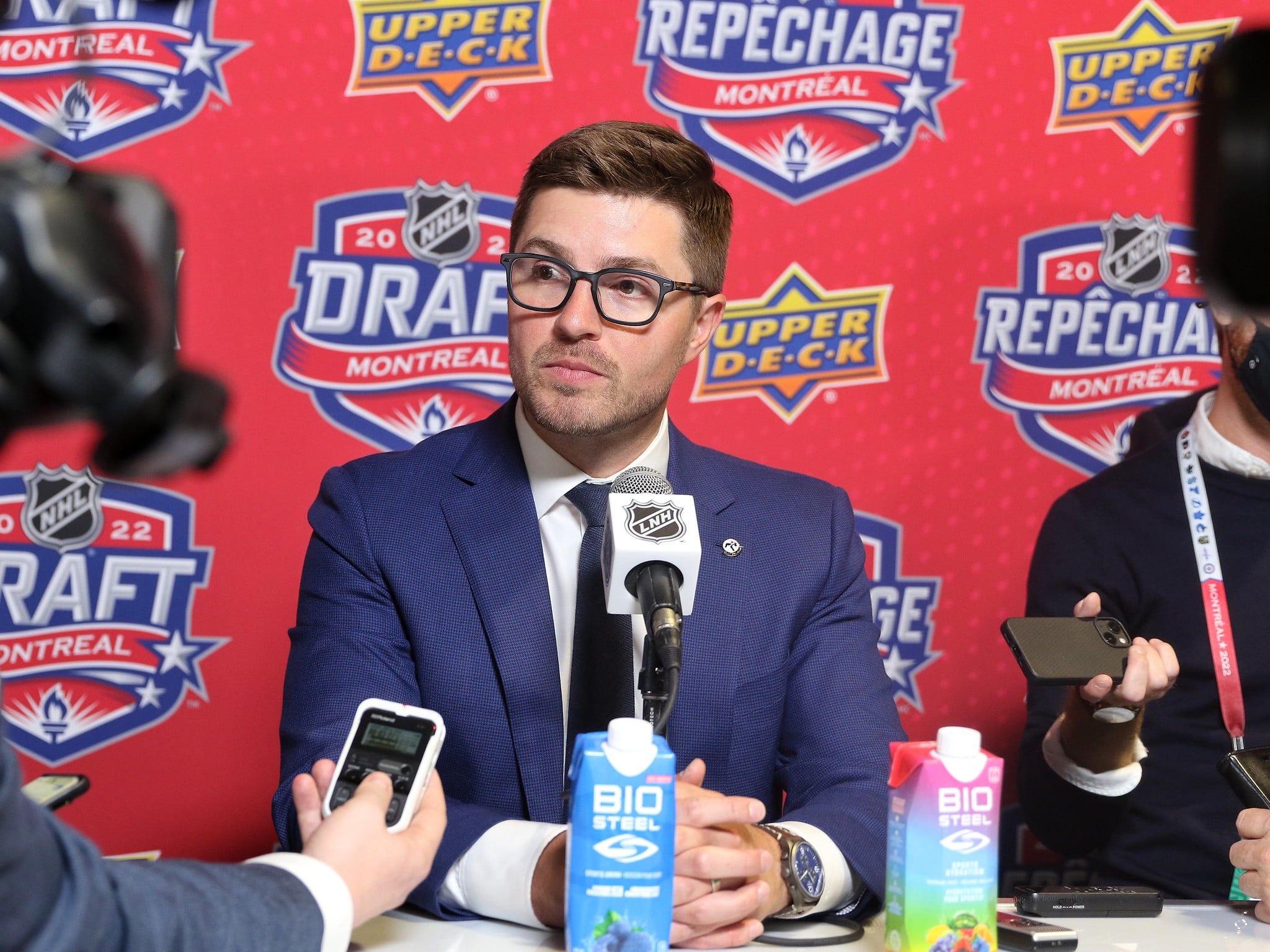
President of hockey operations and general manager Kyle Dubas has not sat still. The Penguins have clearly tried to get younger, more flexible and less dependent on one aging group to carry everything. Still, Pittsburgh’s center position remains one of the roster’s lingering questions, and that question matters because this franchise has been built around center strength for almost two decades.
Sidney Crosby is still the answer at the top. The problem is everything behind him. Once Evgeni Malkin shifted away from being the automatic second-line center solution, Pittsburgh’s old advantage became a much different conversation.
Penguins’ Center Depth Is No Longer Automatic
Crosby remains the center of Pittsburgh’s roster in every sense. Even at this stage of his career, the Penguins can still build a competitive top line around him and expect him to drive play, create offense and set the standard for the rest of the group. That is an enormous luxury, but it can also hide how uncertain the rest of the position has become.
The Penguins’ current forward depth chart shows how crowded the roster has become after Pittsburgh’s offseason moves. The team has plenty of forwards, but that does not automatically mean it has the right center structure behind Crosby. Tommy Novak, Blake Lizotte, Hendrix Lapierre and Ben Kindel all have cases, but none of them removes the larger question by himself.
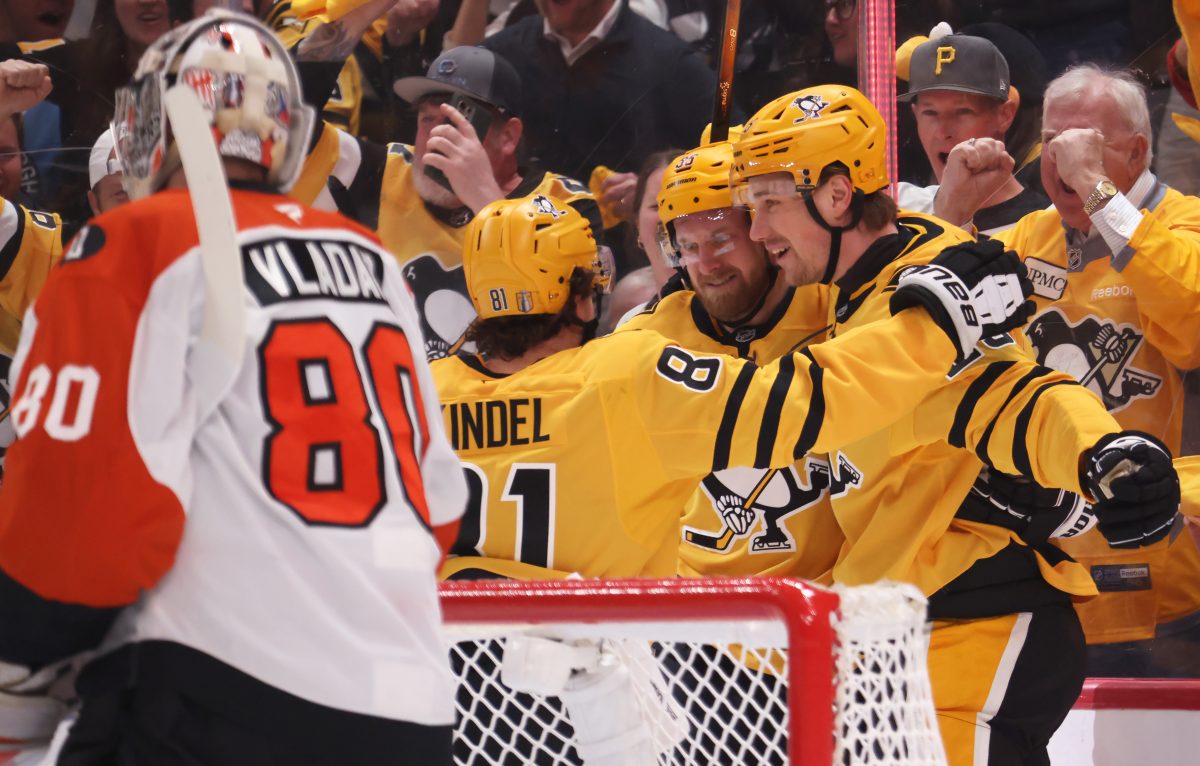
Novak brings skill and offensive touch. Lizotte brings energy, defensive details and a more defined bottom-six identity. Lapierre gives Pittsburgh a younger option with change-of-scenery upside. Kindel brings long-term intrigue, but he is still a young player being asked to prove what he can handle at the NHL level.
That is a lot of possibility. It is not the same as certainty.
Dubas Added Forwards, But Not the Center Answer
Dubas has made useful additions, but most of them do not solve this specific issue. Andrei Kuzmenko gives Pittsburgh another skilled winger. Nicholas Robertson brings shooting upside and a fresh start. Egor Chinakhov looked like one of the more important younger forwards on the roster after arriving in Pittsburgh. Rutger McGroarty and Ville Koivunen are still trying to force their way into the bigger picture.
Those players help the forward group overall. They do not fix the middle. Pittsburgh’s crowded forward group is already creating tough decisions for young players trying to win NHL roles, and the center issue only makes those decisions harder.
That is why Lapierre matters. The Penguins signed Lapierre to a two-year deal, which gives them another affordable player who can compete down the middle. He fits the type of bet Pittsburgh has made often under Dubas: young enough to still have upside, experienced enough to push for NHL minutes and inexpensive enough that the risk is manageable.
The problem is that Lapierre is still more of a bet than a solution. If he becomes a reliable third-line center or pushes higher, the move looks smart. If he is more of a depth forward, the larger center problem remains.
Penguins Cannot Put Too Much on Kindel
The most interesting name in the conversation might be Kindel, but he is also the one Pittsburgh has to handle carefully. He is talented enough to matter in the long-term center discussion, but that does not mean the Penguins should rush him into being the answer before he is ready.
Kindel has already been tested in meaningful situations. During a January practice, Kindel centered Malkin and Chinakhov on what looked like Pittsburgh’s second line, which showed how willing the Penguins were to experiment with him in a more demanding role. That kind of look matters, but it still does not mean Pittsburgh should enter the season assuming he can solve the center problem by himself.
Young centers are difficult to develop because the position demands so much. They have to handle defensive reads, faceoffs, support routes, matchups, pace and physical pressure through the middle of the ice. It is not like sheltering a winger on a scoring line and letting him learn in pieces.
If Kindel earns NHL time, Pittsburgh should take it seriously. If he needs more development, that should not be viewed as failure. The problem would be if the Penguins enter the season needing him to be ready because the rest of the center group is not strong enough.
Penguins Have Flexibility, But Need Direction
The Penguins’ cap space gives Dubas room to keep working, and that matters because Pittsburgh does not have to force a bad move just to say it added another center. Flexibility can become a trade, a late signing or leverage if another team needs to move money before the season.
Still, flexibility only matters if it eventually becomes something useful. The Penguins’ long-term salary-cap situation gives them room to be patient, but patience cannot become an excuse for leaving a major roster question unanswered.
That is where Dubas’ next test becomes clearer. Pittsburgh does not necessarily need to chase a star center, but it does need to decide whether this current group is enough. If the Penguins believe Novak, Lizotte, Lapierre and Kindel can hold the middle behind Crosby, then competition can be the plan. If not, another move should stay on the table.
The difficult part is finding the right player. A pure rental does not make much sense unless Pittsburgh is closer to contending than it currently looks. An expensive veteran could block younger players without solving the long-term issue. A younger, controllable center would fit the roster better, but those players are expensive to acquire for a reason.
Center Question Defines Penguins’ Ceiling
The Penguins can survive with an imperfect center group. They have enough wingers, enough veteran talent and enough offensive creativity to make the lineup interesting over an 84-game season. What is less clear is whether they can exceed expectations without more certainty down the middle.
That is the real issue. Crosby can still carry a heavy load, but Pittsburgh should not want him to carry everything. Malkin’s move to the wing can help extend his effectiveness, but it also leaves the Penguins searching for someone else to organize the second or third line.
Novak, Lizotte and Lapierre can all play roles, but one of them has to become more than a placeholder. If none of them do, the Penguins will feel it in matchups, injuries and the moments when head coach Dan Muse needs a reliable shift without Crosby doing the heavy lifting.
Koivunen’s uncertain path is another reminder that Pittsburgh has more forward options than clear roles. That is not necessarily a bad thing, but center is different from the wing. The middle of the ice shapes the rest of the lineup.
Dubas’ Next Test Is Clarity
Dubas does not need to solve everything in July, but he does need clarity before the season begins. The Penguins have spent the offseason adding competition across the roster, and that has value. Competition can push young players, make veterans uncomfortable and create internal answers that are cheaper than trades or free-agent signings.
But center is different. If Pittsburgh has enough there, the rest of the roster makes more sense. Kuzmenko, Robertson, Chinakhov, Bryan Rust, Rickard Rakell and the young forwards can slot into cleaner roles. If the Penguins do not have enough there, the wing depth will not matter as much because the structure underneath it will remain shaky.
The organization’s search for a bigger forward solution has already been a major part of its broader roster direction, and the center position may become the clearest version of that same problem. Pittsburgh has options. It does not yet have certainty.
For a franchise that used to dominate down the middle, that is a major shift. Crosby remains the answer at the top, but the rest of the group still feels like a question Pittsburgh has to answer before it can know what kind of team it really has.
Now Dubas has to decide whether the solution is already in the room or whether the Penguins still need to go find it.
Free Newsletter
Get Pittsburgh Penguins coverage delivered to your inbox
In-depth analysis, breaking news, and insider takes – free.
Subscribe Free →