When Kent Hughes took over as general manager of the Montreal Canadiens, one of his biggest priorities was maximizing every asset possible during the rebuild. Few moves better illustrate that philosophy than everything that happened with Sean Monahan. From acquiring him for essentially nothing, to flipping him for another first-round pick, and eventually turning those selections into cornerstone young players, the Monahan trades remains one of the best examples of elite asset management in today’s NHL.
Acquiring Sean Monahan
In August of 2022, the Canadiens took advantage of the Calgary Flames’ situation by acquiring Monahan along with a conditional 2025 first-round pick in exchange for future considerations.
It was a classic rebuilding move. Calgary desperately needed to clear Monahan’s $6.375 million cap hit after the veteran centre had endured back-to-back injury-plagued and disappointing seasons. Montreal, meanwhile, had plenty of cap space, little pressure to win immediately, and every reason to take a chance on a player showed he could produce in the past.
There was very little risk involved. If Monahan never returned to form, the Canadiens still received a first-round pick simply for absorbing his contract. If he did bounce back, they would either have the option of extending him or trading him for additional assets.
As it turned out, Hughes won either way. That conditional first-round selection eventually became one of the biggest pieces in the trade that brought Noah Dobson to Montreal. The Canadiens packaged Calgary’s first-round pick with their own first-round selection and Emil Heineman in a deal with the New York Islanders, landing the star right-shot defenseman and immediately strengthening their blue line for years to come. Simply taking on Monahan’s contract ultimately became one of the key steps toward acquiring a legitimate top-pair defenseman.
Monahan’s Time in Montreal
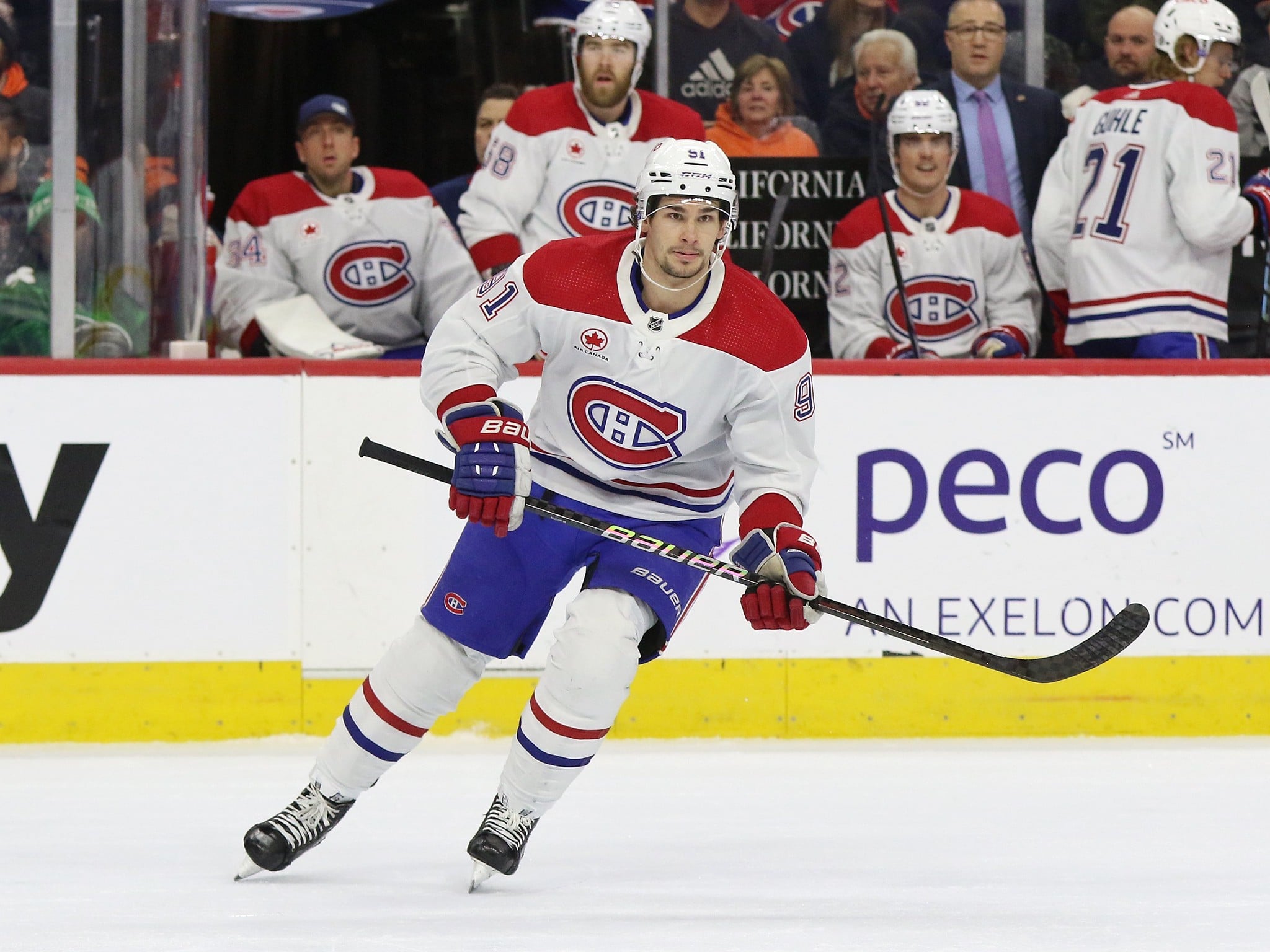
Although injuries limited his first season with the Canadiens, Monahan quickly proved he could still be an effective NHL player. During the 2022-23 campaign, he appeared in just 25 games but produced 17 points while playing responsible two-way hockey. More importantly, he flashes of the player who had once scored over 30 goals and eclipsed the 80-point mark.
He carried that momentum into the following season. Before the 2024 trade deadline, Monahan had registered 35 points in 49 games while centering one of Montreal’s most reliable lines. He became an important veteran presence inside the dressing room and provided stability for many of the team’s younger forwards.
However, the Canadiens were still in the middle of their rebuild and not yet legitimate playoff contenders. Monahan was also heading toward unrestricted free agency at the end of the season, making him one of the most attractive rental centres available on the market. As difficult as it was to part ways with such a respected veteran, Hughes recognized that maximizing the asset was the correct long-term decision.
Turning Monahan Into Even More Value
At the 2024 trade deadline, the Canadiens dealt Monahan to the Winnipeg Jets in exchange for a 2024 first-round pick and a conditional third-round selection. The condition attached to the third-round pick was that Winnipeg would win the Stanley Cup, something that ultimately did not happen, meaning Montreal only received the first-rounder.
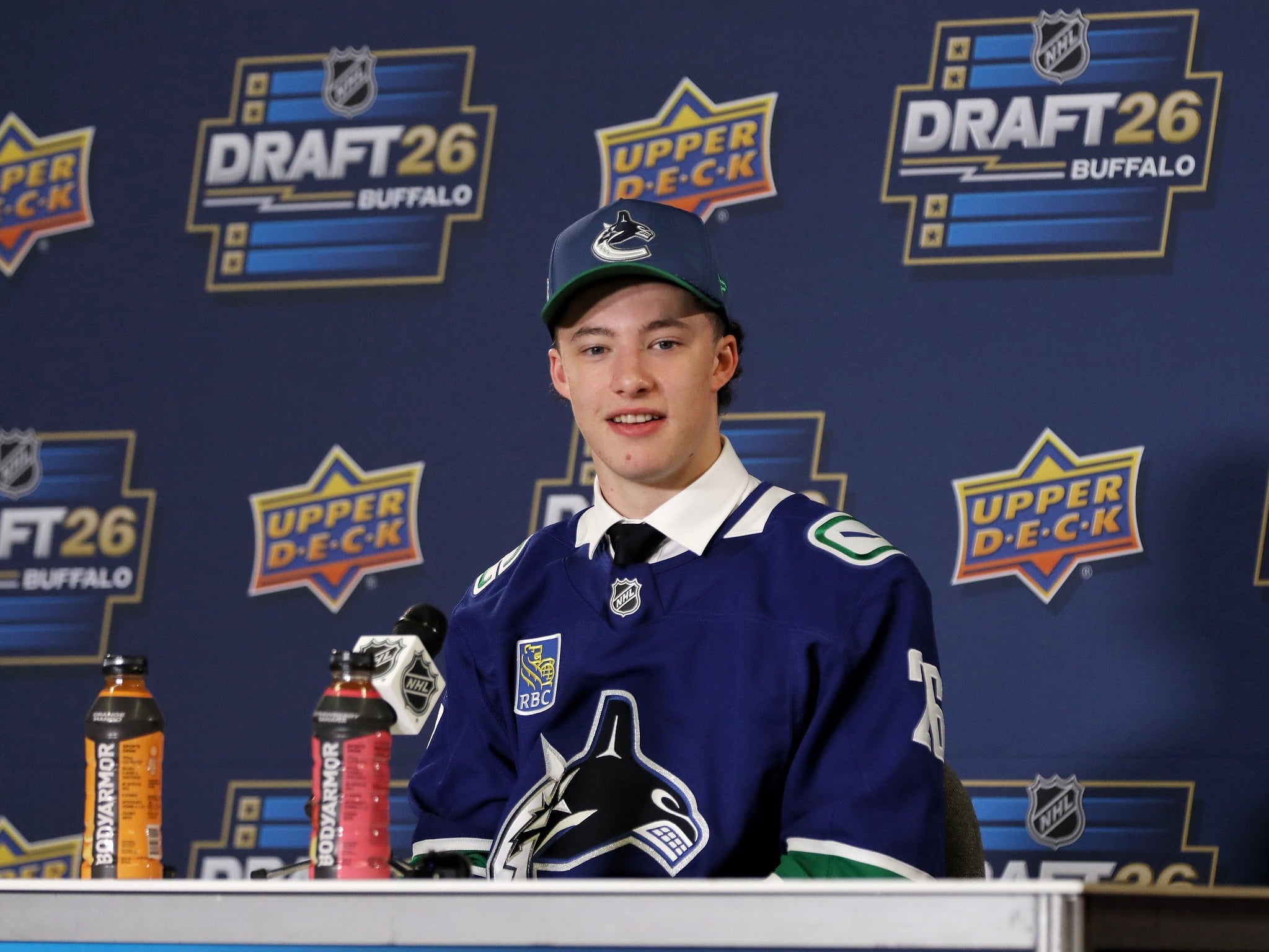
That alone was more than enough. Instead of simply keeping the selection, the Canadiens used the pick as part of a trade to move up in the first round of the 2024 NHL Entry Draft, allowing them to select Michael Hage. Hage has quickly established himself as one of the organization’s premier prospects and projects to become an important part of Montreal’s future core.
Looking back, it is remarkable how much value Hughes extracted from one transaction. The Canadiens accepted Monahan’s contract and received a first-round pick. They then got productive hockey from Monahan over parts of two seasons before flipping him for another first-round pick, which later became Hage.
One cap dump ultimately helped bring Dobson to Montreal while also contributing to the acquisition of one of the organization’s top forward prospects. That is exactly the type of long-term asset management rebuilding teams strive to achieve.
Hughes’ Only Real Mistake?
If there is one criticism to make, it may be what happened after Monahan left Montreal. Following the season, Monahan signed a five-year contract worth $5.5 million annually with the Columbus Blue Jackets. Since then, he has continued to show that he remains a dependable top-six centre capable of playing in every situation.
Given the Canadiens’ long search for a permanent second-line centre, it is fair to wonder what might have happened had Hughes managed to re-sign Monahan before trading him or brought him back in free agency.
A healthy Monahan could very well have become the ideal veteran behind Nick Suzuki while allowing the organization’s younger centres to develop at their own pace. Still, it is difficult to criticize the overall body of work.
Even if letting Monahan walk may remain a slight “what if,” the overall sequence stands as one of the best examples of elite asset management in recent NHL history. It perfectly reflects Hughes’ patient, calculated approach to rebuilding the Canadiens, ensuring that every asset continues to create value long after the original transaction is complete.
Free Newsletter
Get Montreal Canadiens coverage delivered to your inbox
In-depth analysis, breaking news, and insider takes – free.
Subscribe Free →