If you were to ask most Edmonton Oilers fans, they would be happy with the way the offseason has panned out so far. They were able to move out an ugly contract in Darnell Nurse, revamped their blueline with additions in Ryan Shea and Shakir Mukhamadullin, and even managed to bring back their two trade deadline additions in Jason Dickinson and Connor Murphy. Taking things a step further, they also fired head coach Kris Knoblauch, a welcomed move by many who felt he had lost the room.
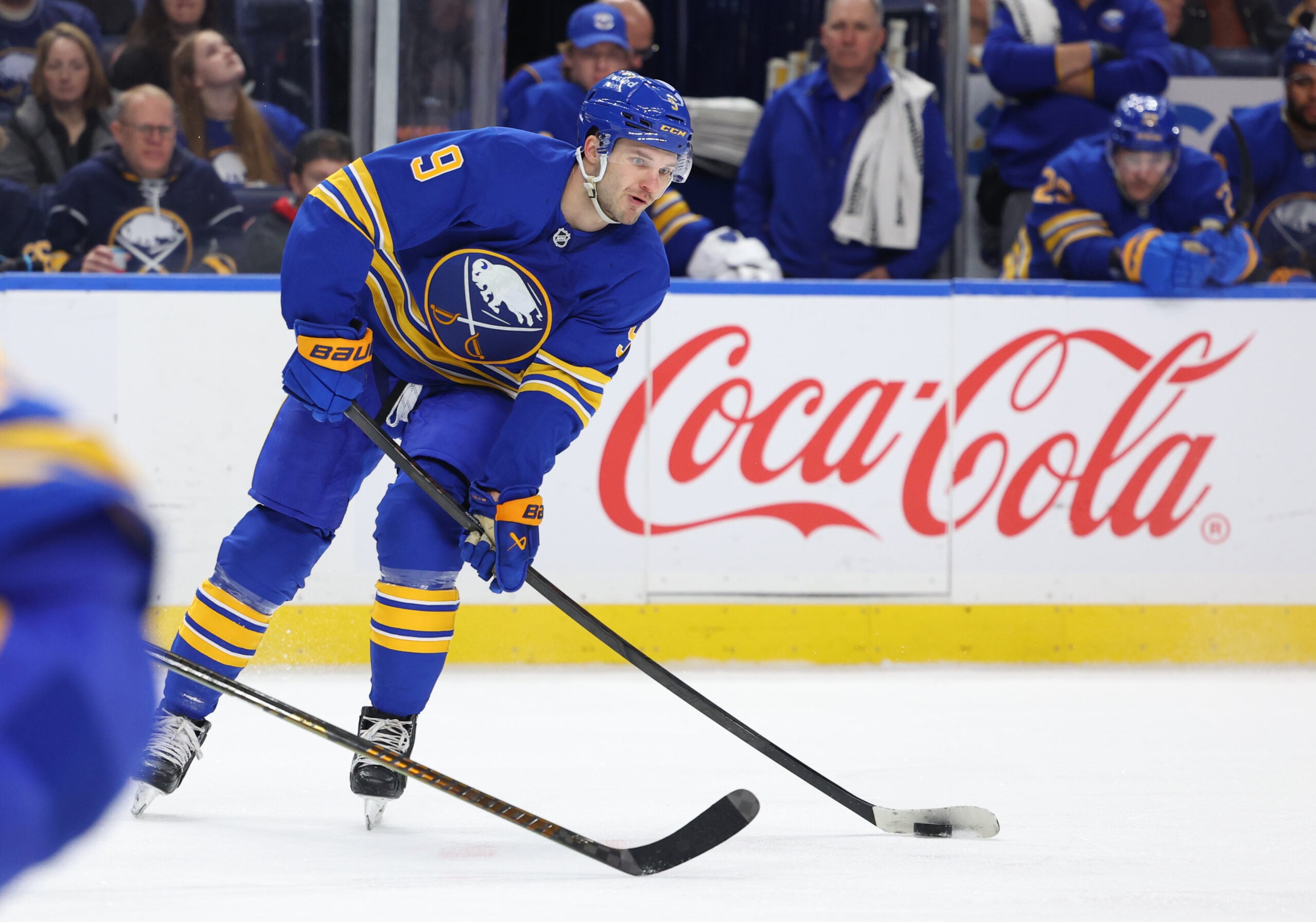
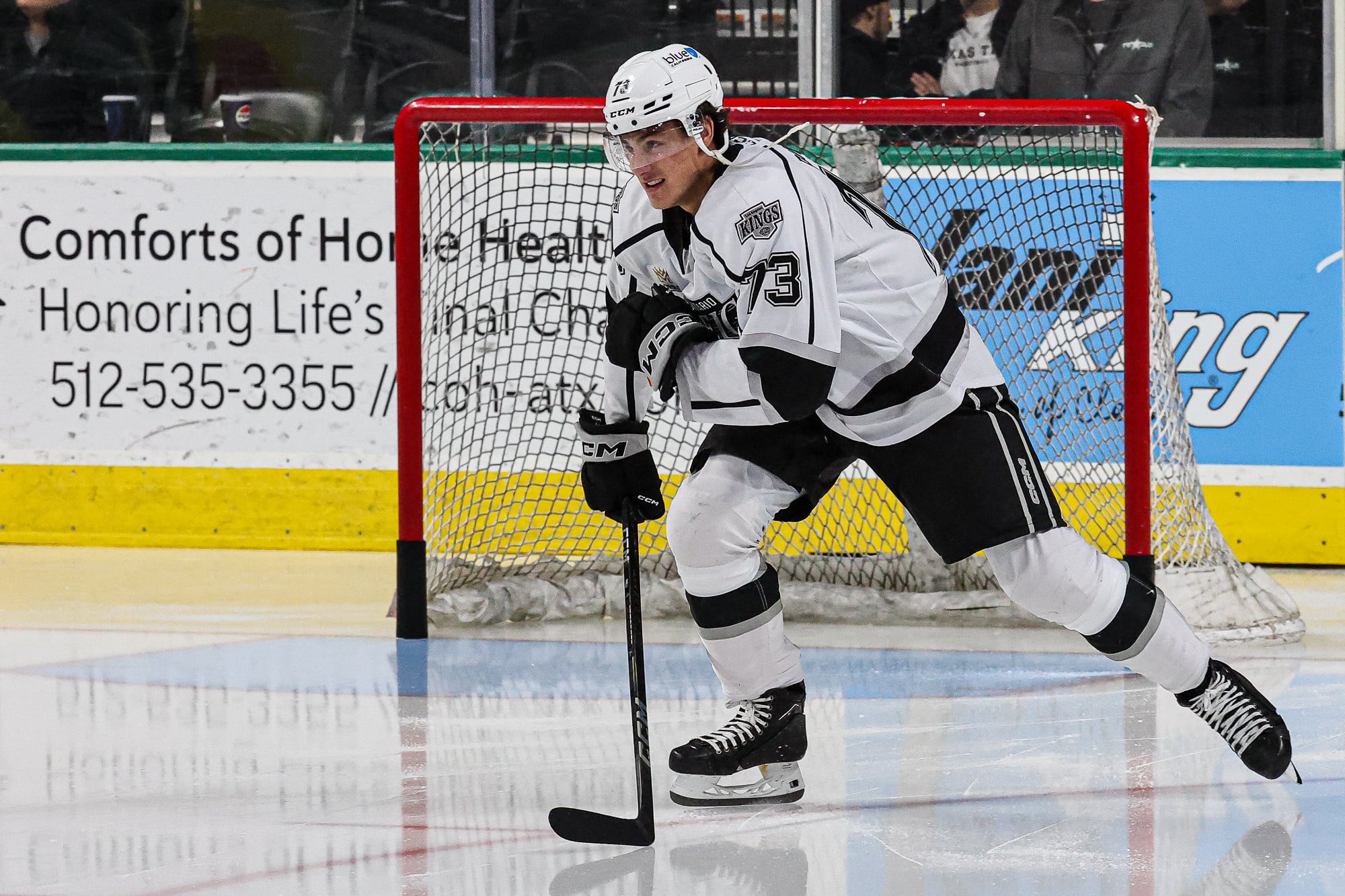
Despite all those changes, however, it’s the moves between the pipes that have everyone talking. Rather than re-signing Connor Ingram, the Oilers traded for Buffalo Sabres goaltender Devon Levi, and then went on to sign Frederik Andersen to a one-year deal.
It’s been quite some time since this team has had a new tandem, let alone a goalie fresh off winning a Stanley Cup in Andersen. There have been very few, if any critics regarding the goaltending changes, despite the fact that it may not be any sort of upgrade.
Oilers Still Don’t Have a Number One
The biggest thing the Oilers have been after ever since Cam Talbot’s departure was a true number-one goaltender. They hoped they had found one in Mikko Koskinen, then Jack Campbell, and then Stuart Skinner, though none of the three worked out as planned. Anyone believing Andersen will be the new number one will wind up being sadly mistaken.
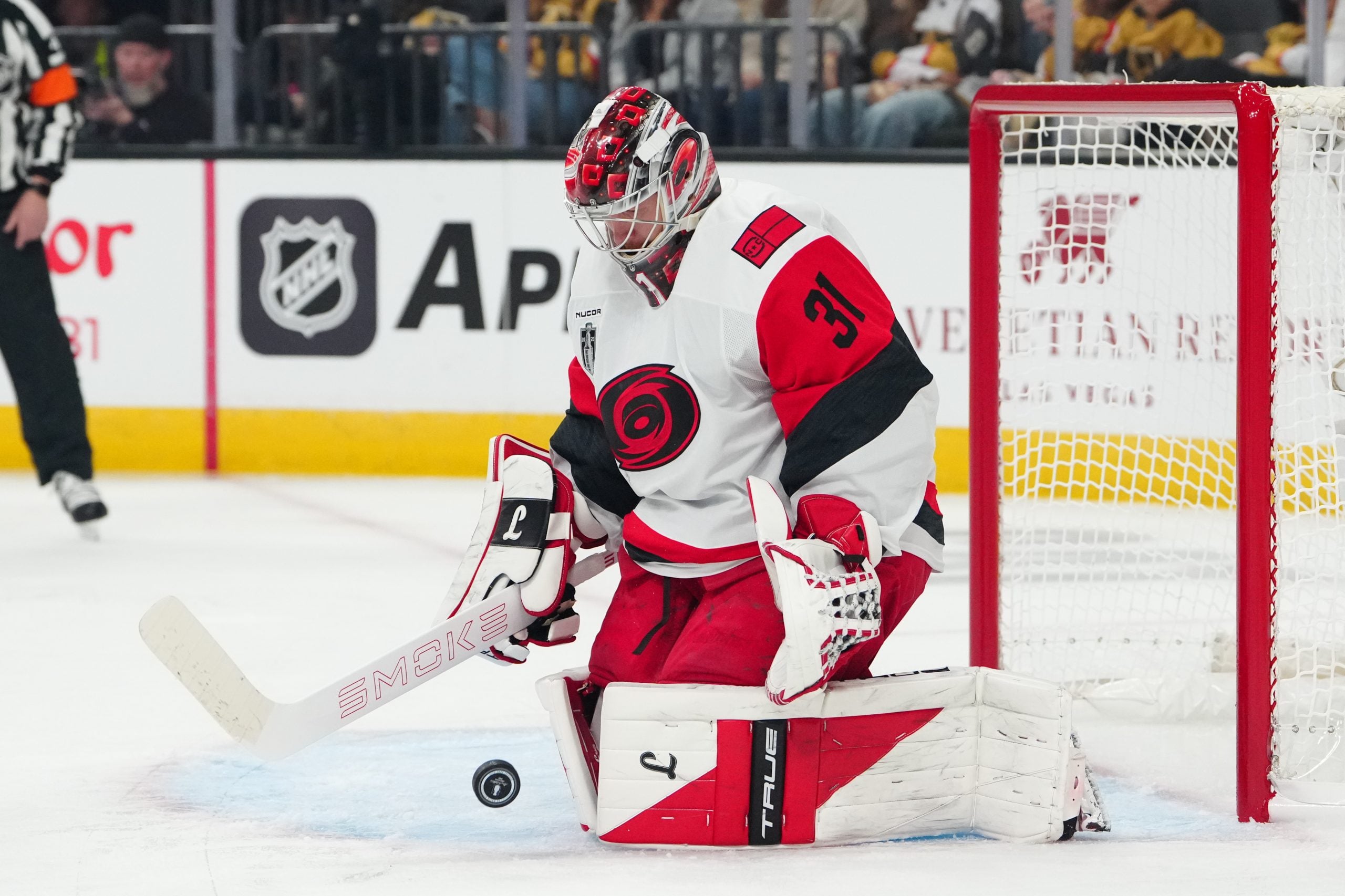
Andersen, who will be 37 for the 2026-27 season, appeared in just 35 games this past season. Injuries played a part, though that has become the norm for the Danish netminder. In fact, his 35 appearances marked the most he’s had in a single season since 2021-22.
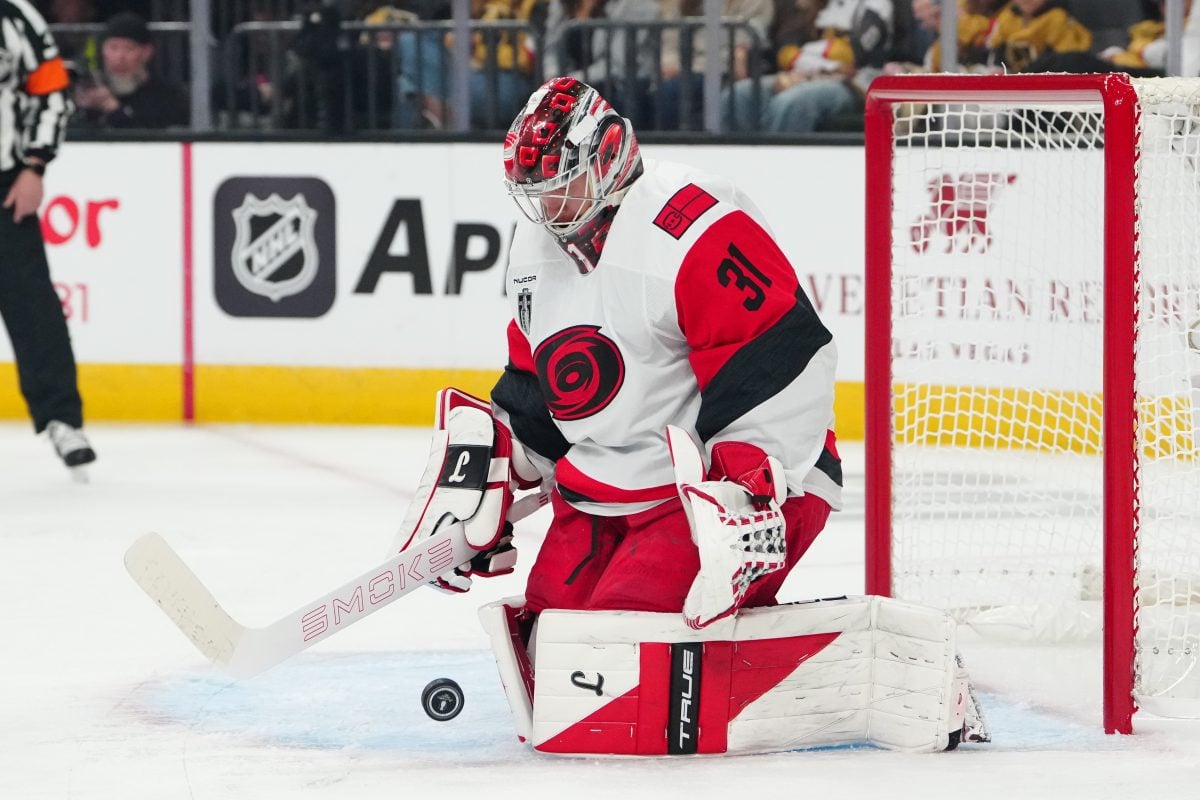
Regardless of how he fares, Andersen isn’t going to be a goalie the Oilers can rely upon heavily throughout the regular season. His body simply isn’t capable of handling that type of workload at this point in his career.
Making matters more concerning is that when healthy this past season, Andersen struggled immensely. In those 35 appearances, he posted a 3.05 goals against average (GAA) along with a .874 save percentage (SV%). It marked the second-straight season in which he’s posted a SV% below .900.
To Andersen’s credit, he was spectacular for the ‘Canes in his 16 postseason starts. The question now is whether he simply had a down regular season, or caught fire in the playoffs. If he is anything close to what he was during the 2025-26 regular season, the Oilers will be in big trouble.
What also causes concern is what the Oilers will do if, or perhaps when, Andersen sustains some sort of injury. After all, Levi has just 39 games of NHL experience. He also struggled throughout the 2025-26 campaign in the American Hockey League (AHL), posting a 2.83 GAA and a .904 SV%. Those numbers certainly don’t suggest he can come in and operate in a starter’s role should that be required.
The Oilers do also still have Tristan Jarry, who they could opt to keep on the roster as part of a three-goalie tandem. That would be quite unusual in the NHL, though certainly not impossible. Unfortunately, Jarry has zero confidence from the fan base after recording a shockingly bad .858 SV% in 19 appearances with the Oilers last season.
Could Be Same Old Song and Dance
While one can certainly understand why Oilers fans are happy that changes were finally made this offseason, it is very much up in the air as to whether or not they actually improve the team. If this were a younger version of Andersen it would undoubtedly be an upgrade, though as we all know, that isn’t the case. Should Andersen and Levi struggle early on in 2026-27, this is a debate that will quickly start being talked about more throughout the city of Edmonton.
Free Newsletter
Get Edmonton Oilers coverage delivered to your inbox
In-depth analysis, breaking news, and insider takes – free.
Subscribe Free →