Well over three decades into their history, the Tampa Bay Lightning have their share of contracts that have had a chance to sit and develop proper hindsight. Some aged gracefully. Others just didn’t work out one way or another.
We’re going to look at two of the best contracts and two of the worst contracts in the team’s history. For transparency, I’m not using any metrics to determine these. I chose to be more narrative-driven while also looking at their general individual performances to make my picks.
If that means you feel another contract was better or worse, that’s fine. There were other good and bad contracts that I passed on that could have been picked. On that note, let’s get into it.
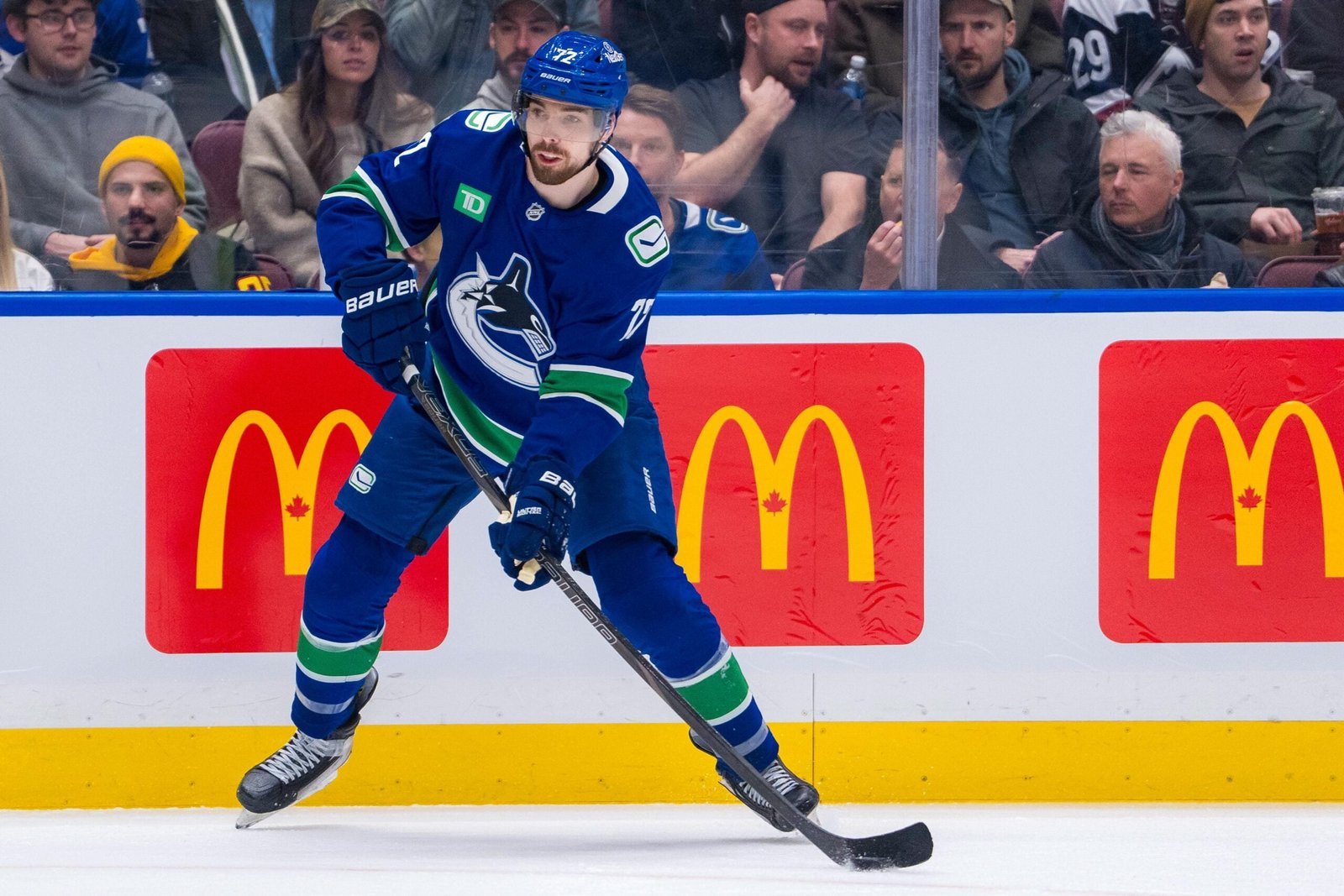
Among Best: Nikita Kucherov, 8 Years, $76 Million Extension
At the time of the contract’s signing, $9.5 million per season was still on the higher end for a player. However, it’s since become one of the highest-value contracts in the sport.
It’s easier to just quickly list off Nikita Kucherov‘s accomplishments since this extension went into effect.
- One Hart Memorial Trophy win, three-time finalist
- One Ted Lindsay Award win
- Two Art Ross Trophy wins (scoring leader)
- Fifth player to record a 100-assist season
- Two Stanley Cup championships
For essentially the entire 2020s decade, he has been the engine of the Lightning offense and one of the best players in the NHL. There is already an argument that he’s an all-time winger in the game.
Other MVP candidates make at least $12 million per year or more. Some contracts now are double the average annual value of what the Lightning pay Kucherov. With the reveal of Cale Makar’s historic contract ($20.4 million per year), there’s an argument the value has further improved. A major payday will be due, but the Lightning have that problem after getting some serious value for nearly an entire decade.
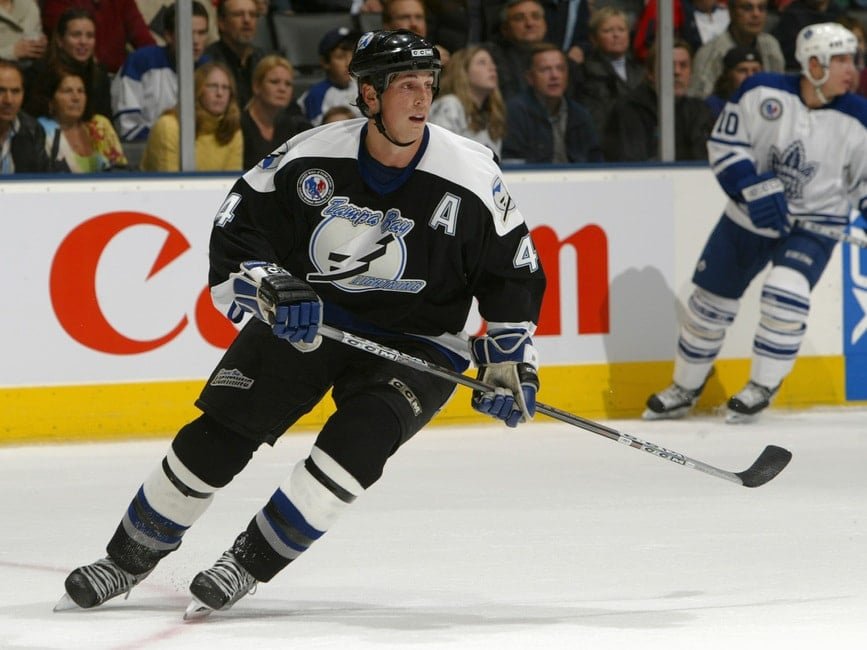
Among Worst: Ryan Callahan, 6 Years, $34.80 Million
When I say I genuinely hate that this contract is in this category, I mean it. I’m far from alone in that sentiment.
Many look back at one of the pieces that came over in the Martin St. Louis trade fondly. He earned that right after sticking around for five and a half seasons, as well as the charity work he does off the ice. If there was someone you would have loved to have his tenure go as planned, it’s Ryan Callahan.
The story behind this mention is unfortunate. Callahan battled injuries for much of his tenure with the Lightning. He had a nagging hip issue for the longest time. An upper body injury occurred as well, and he was later diagnosed with degenerative back disease, and his career was effectively over.
Looking at the stats, his first season was fantastic, and then you can see the injuries take their toll. He had 24 goals and 54 points during the 2014-15 season, and he never came close to either number again.
Had he been able to play one more season, he would have been around for the Stanley Cup team. Instead, he was traded to the Ottawa Senators and was on the long-term injured reserve (LTIR) for a season before retiring. It was an outcome that Lightning fans would have preferred to see play out differently.
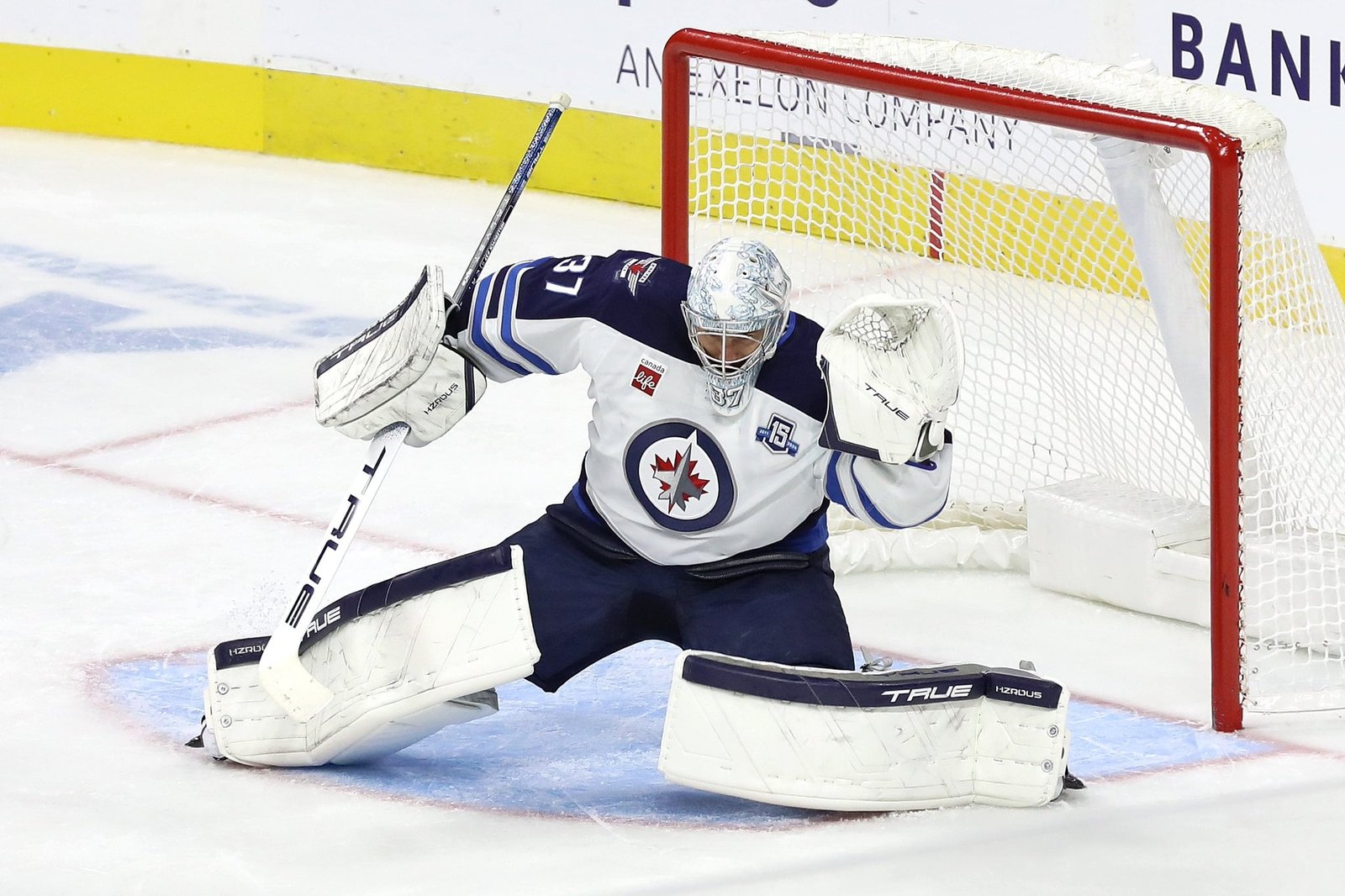
Among Best: Andrei Vasilevskiy, 3 Years, $10.50 Million Extension
What works with Andrei Vasilevskiy is that he is on the team due to one of their best trades. It’s only fitting that he would eventually give the Lightning one of their best-value contracts ever.
His current contract could have been a good option as well. However, having to pay just $3.5 million per season from 2017-18 to 2019-20 for a player who won a Vezina Trophy and a Stanley Cup is as good as it gets.
Along with being the Vezina winner in 2018-19, he was a finalist for the award during all three seasons of this contract. When looking at the stat line, the honors were well deserved, with Vasilevskiy leading the league in wins all three years (118 total), a .921 save percentage, a 2.51 goals-against average and 17 shutouts.
The only way a team could get more value than what the Lightning got here would be for this run to happen under an entry-level contract.
Among Worst: Vincent Lecavalier, 11 Years, $85 Million Extension
This one in particular is going to be lengthy. I kept it until the end for that reason. Buckle up.
At the time, this was meant to lock down one of their most iconic players for life. Vincent Lecavalier was part of their 2004 Stanley Cup team. He had a Rocket Richard Trophy to his name. At the time, he was coming off back-to-back seasons with at least 40 goals and 90 points and rarely missed a game.
He, along with St. Louis, was one of the faces of the franchise. Even when the Lightning created their own Hall of Fame, he was considered an automatic inductee for the first class. His connection is just that obvious. However, just because someone is the face of the team doesn’t mean the extension will work out.
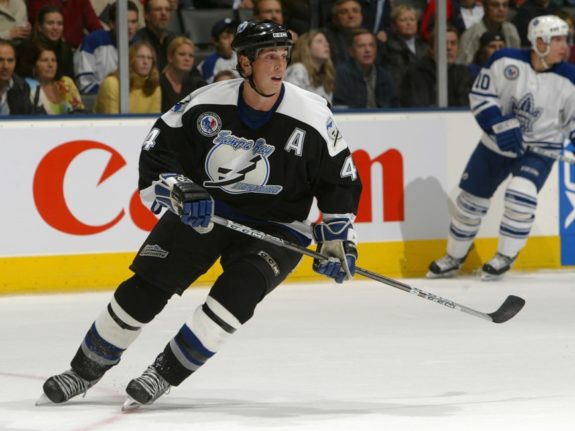
In the following four seasons, he averaged just 60 points per season. Part of why the number was low was due to missing time. He missed more than 15 games twice. The last year he played in Tampa Bay under his contract was a lockout-shortened season. He only played in 39 of 48 games, but I still have to give him a pass for that season due to the circumstances.
Come the 2013-14 season, the Lightning opted to buy him out, and he was off to Philadelphia. After the 2015-16 season, his career was over. He retired, and the Lightning were still paying some dead cap. As a matter of fact, he’s still being paid. There is one season he’s still on the books, according to Spotrac.
The length of the contract makes for a fun what-if. The final season would have been 2019-20. If he had been good enough to stick around that long, he, in theory, would have won another Stanley Cup with the team in the bubble. That length of time likely means he’s the captain and the first to hoist it.
The current timeline is perfectly fine, and it was likely more fitting for Steven Stamkos to be the captain by then. Still, you can’t help but think about this version of the timeline.
As stated at the beginning, other contracts could probably receive similar praise or scrutiny. I chose to tell the story behind them and looked at individual performance to conclude. Perhaps it’s an excuse for a follow-up on other contracts another time. Since these picks aren’t necessarily wrong, but others could also be considered correct, be prepared for the conversation to continue in the future.
Free Newsletter
Get Tampa Bay Lightning coverage delivered to your inbox
In-depth analysis, breaking news, and insider takes – free.
Subscribe Free →