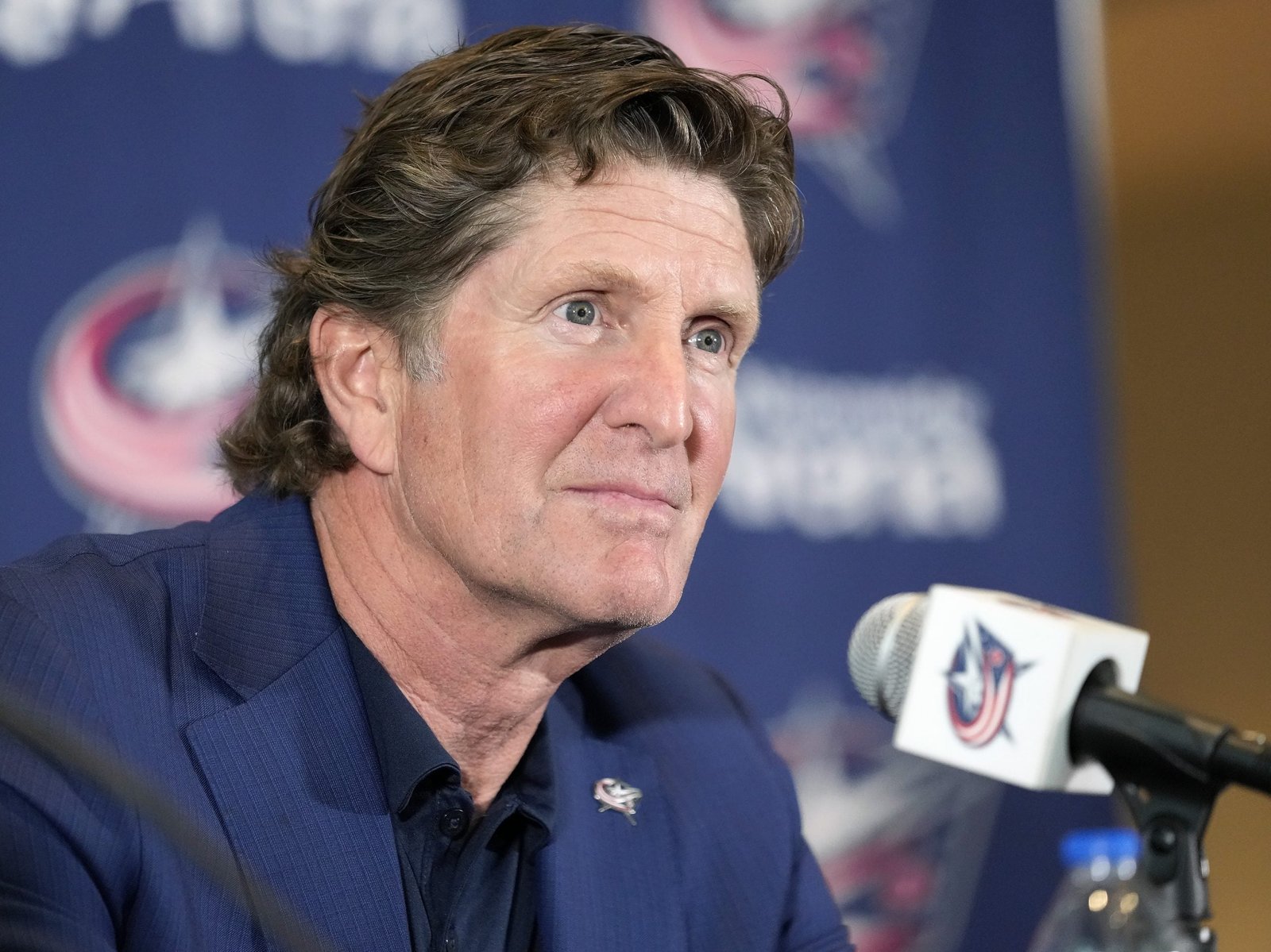
When the Edmonton Oilers hired Mike Babcock as their new head coach on June 23, one important detail was absent from the announcement: the length of his contract. We know this was never intended to be a one-year experiment, but according to The Athletic’s Pierre LeBrun, Babcock signed a three-year contract with an option for a fourth season (from ‘NHL rumblings: Chris Kreider’s decision coming soon, remembering Barry Melrose,’ The Athletic, Sept. 12, 2026).
The report also noted that Babcock was content in retirement, before conversations with Connor McDavid, Leon Draisaitl, and other members of the Oilers’ leadership group helped convince him to return. The contract length says plenty about how the organization views their new coach.
Edmonton isn’t simply hoping he can provide a quick jolt. They are prepared to give him multiple seasons to get this core over the final hurdle and win the Stanley Cup. More importantly, the players appear to be committed to that vision too.
McDavid’s Involvement Makes the Contract More Interesting
There have been plenty of conversations about McDavid’s future in Edmonton with a contract that expires after the 2027-28 season. But Babcock’s deal provides another intriguing piece of the puzzle. McDavid wasn’t simply informed that Babcock would be his next coach. He was part of the process.
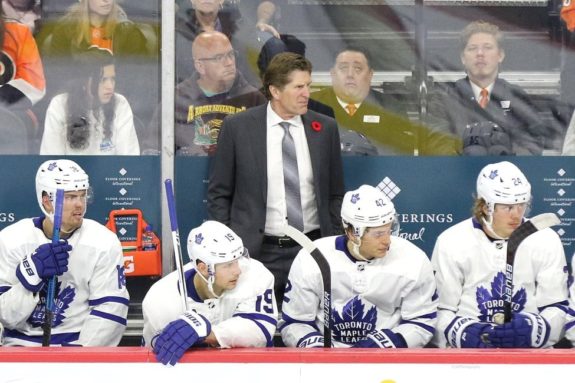
Babcock met with McDavid, Draisaitl and Zach Hyman and discussed what the Oilers needed to change to become a championship team and that the players’ willingness to adjust their games helped convince him to come out of retirement. McDavid subsequently called Babcock the “perfect fit,” pointing to the opportunity to learn from someone who has coached — and won — on hockey’s biggest stages. Draisaitl said Babcock was the right coach for Edmonton’s core at this point in their careers.
None of that guarantees McDavid will remain in Edmonton beyond his contract, and it would be going too far to treat Babcock’s term as confirmation of the captain’s future. But it does make the possibility more interesting. Unlike previous coaching changes, McDavid helped vet this hire.
If he believes Babcock is the coach who can get Edmonton to the top, it stands to reason he will want to give that partnership an opportunity to succeed. The Oilers have effectively lined up Babcock’s tenure with the most important remaining years of their championship window.
Babcock Needs Buy-In — and Accountability
For this experiment to work, however, Edmonton’s stars must buy into Babcock’s system. He has never been a passive coach. He demands structure, preparation and accountability. Hyman, who played under him with the Toronto Maple Leafs, has said players know exactly what is expected of them and described his approach as extremely detailed.
That could be exactly what the team needs. McDavid and Draisaitl can dominate games offensively, but Babcock made it clear that changes would be necessary for the Oilers to become champions. The encouraging part is that the team leaders seem willing to make them.
Of course, Babcock’s controversial history cannot be ignored just because he has an impressive résumé. The NHL reviewed his brief stint with the Columbus Blue Jackets before Edmonton hired him and determined there was no basis to restrict him from NHL employment. That makes associate coach D.J. Smith particularly important.
Smith has history with Babcock from their time with the Maple Leafs, but he has since accumulated extensive head-coaching experience of his own. When the Oilers introduced the pair, Smith specifically discussed their ability to hold each other accountable. Babcock needs to remain demanding without crossing lines. Smith can be an important sounding board and counterweight if situations need to be handled differently.
Seven Years Away Shouldn’t Be the Biggest Concern
The other criticism surrounding Babcock is that he hasn’t coached an NHL game since November 2019, and he hasn’t won a playoff series since the Detroit Red Wings defeated the Anaheim Ducks in the opening round of the 2013 Playoffs.
Those numbers don’t look particularly encouraging without context. But Babcock’s final Red Wings seasons came as one of the NHL’s great dynastic cores was reaching the end of its run. Nicklas Lidstrom retired in 2012, while Pavel Datsyuk and Henrik Zetterberg were moving into the late stages of their careers. Detroit was no longer the powerhouse Babcock inherited in 2005.
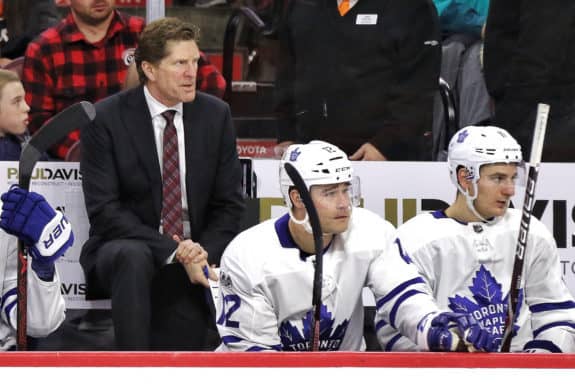
The Maple Leafs were almost the opposite. When Babcock joined Toronto in 2015, he took over a rebuilding team that finished last in the NHL during his first season. Auston Matthews, Mitch Marner and William Nylander were only beginning their NHL careers. Babcock helped establish the foundation for that young core, something Hyman himself has credited him for.
Edmonton represents something completely different. For the first time since his later championship-calibre Red Wings teams, Babcock is walking into an established contender built to win immediately. His resume remains difficult to dismiss: 700 regular-season victories, 90 playoff wins, two Stanley Cup Final appearances with Detroit and the 2008 Stanley Cup, along with Olympic gold medals in 2010 and 2014.
And he isn’t returning alone. Smith provides an experienced associate coach who knows Babcock, while Misha Donskov has joined Edmonton as a coaching consultant. Donskov brings extensive Hockey Canada experience and was praised by Babcock for his experience, people skills and professionalism. That support structure should make his seven-year absence significantly easier to navigate.
The Oilers Believe Babcock Can Finish the Job
Ultimately, the contract reveals what Edmonton believes its timeline to be. The team reached consecutive Stanley Cup Finals in 2024 and 2025 before suffering a disappointing first-round elimination last season. The core isn’t rebuilding, and management isn’t interested in another long-term project. The next three or four seasons are about one thing: winning the Cup.
That’s why the length of Babcock’s contract matters. Edmonton could have treated his return as an experiment and offered him a short-term deal. Instead, the Oilers committed for almost four seasons after their most important players were directly involved in the process. There are risks. Babcock has to prove he can adapt to today’s NHL, maintain strong relationships with his players and ensure his demanding coaching style never crosses the line. McDavid, Draisaitl and Edmonton’s other stars have to embrace the structural changes he wants to implement.
But if both sides hold up their end, it will work. Babcock hasn’t had a roster this prepared to legitimately contend for a Stanley Cup since his days in Detroit. Edmonton hasn’t hired a coach with this combination of championship experience and direct approval from its superstars during the McDavid era. A three-year contract with the possibility of a fourth suggests the Oilers aren’t looking for a temporary solution. They believe he can be the coach who finally gets this group over the hump.
Free Newsletter
Get Edmonton Oilers coverage delivered to your inbox
In-depth analysis, breaking news, and insider takes – free.
Subscribe Free →