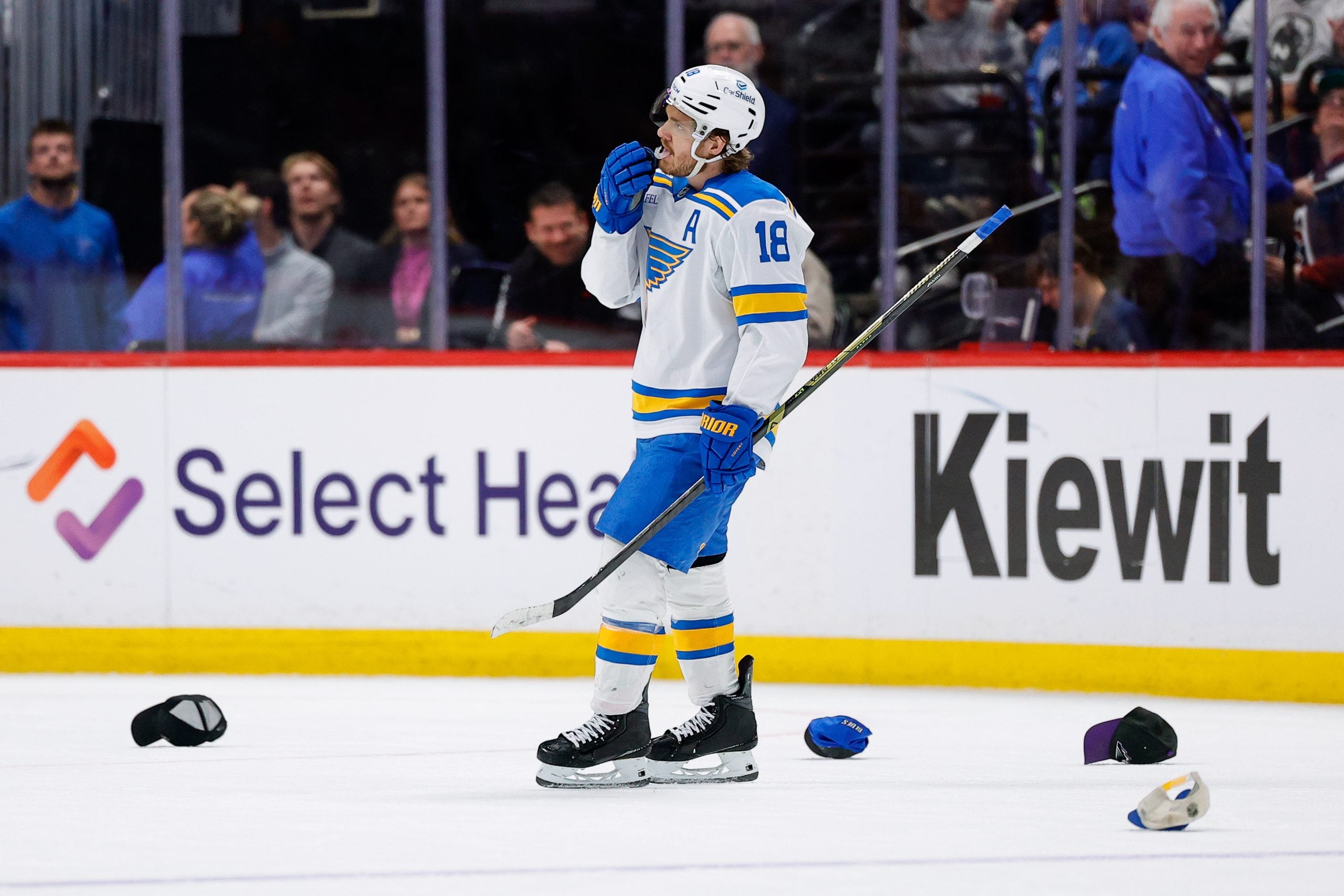
The Winter Olympics are here, and the NHL is participating for the first time since 2014. The 2014 Olympics in Sochi, Russia, had many great moments. Teemu Selanne scored two goals for Team Finland to win the bronze medal in his last Olympic game. Carey Price stopped all 24 shots in a 3-0 victory over Team Sweden to win gold for Team Canada.
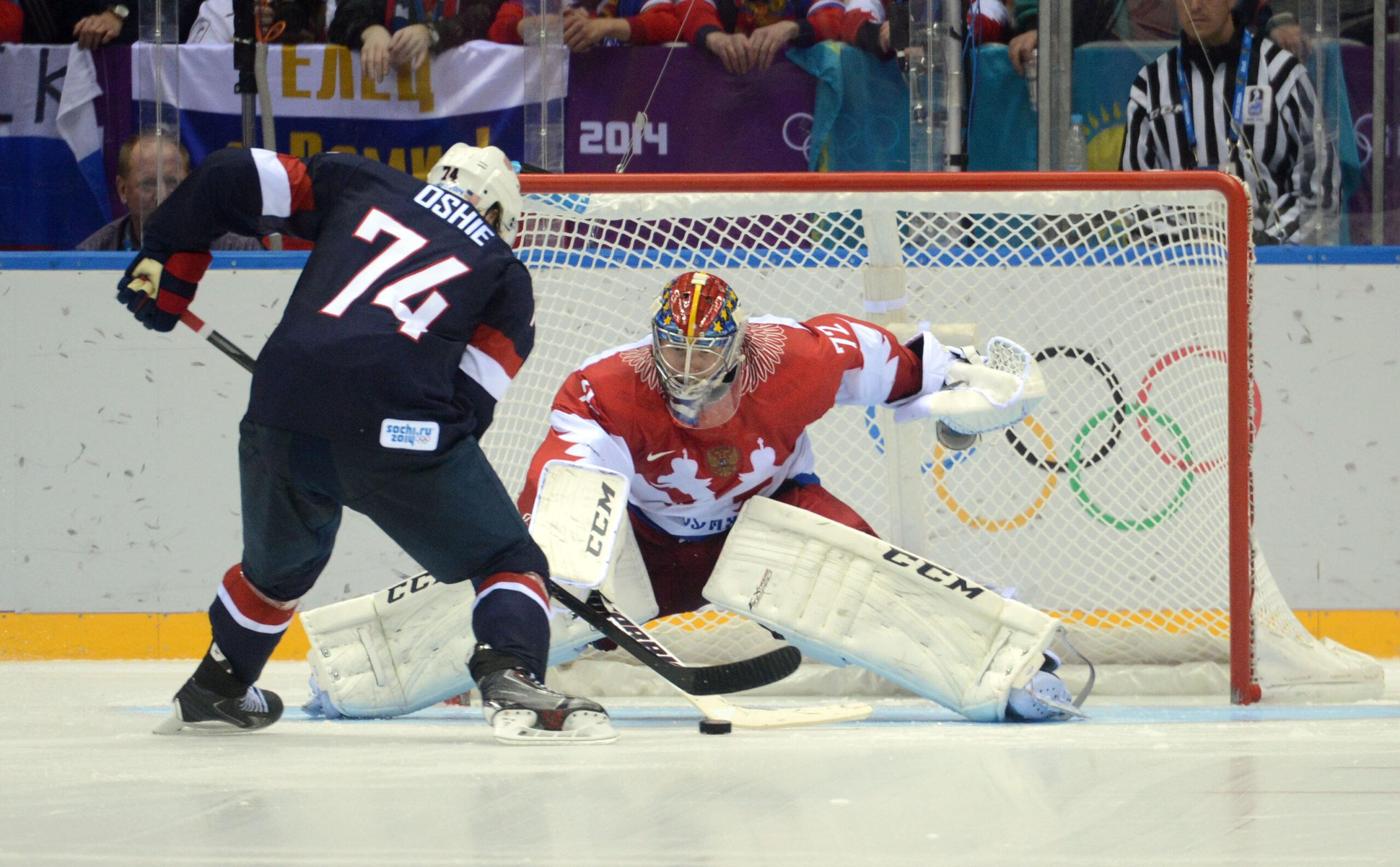
However, the biggest moment of the tournament came during a preliminary-round game. On Feb. 15, T.J. Oshie did not just help Team USA win against host nation Russia – he carved his name into Olympic history with one of the most unforgettable shootout performances the sport has ever seen.
Team USA at the 2014 Winter Olympics
The 2014 Winter Olympics were about redemption for Team USA. After losing gold to Canada in overtime in 2010, they wanted to finish the job with an arguably better team in Sochi. Russia had the honor of hosting the Olympics, but also the pressure of delivering on home soil.
The United States and Russia played a fast-paced, physical game, but the score was tied 2-2 after the third period. After overtime did not produce a winner, they went to the shootout. While we knew someone would come through for their team, we had no idea what we were about to witness.
Olympic Shootout Rules
Shootout rules in international tournaments are different from the NHL. In the Olympics, shooters can be reused after the first three attempts. USA head coach Dan Bylsma used that rule to his advantage, helping create an Olympic moment.
Related: A Blues Fan’s Guide to 2026 Olympic Hockey
In 2014, Oshie was in his sixth season and a rising star with the St. Louis Blues. He was known for his hands, creativity, and shootout success. For Bylsma, it was an easy choice to include Oshie among the first three shooters.
Oshie: Attempt After Attempt
Oshie took Team USA’s first shot. Despite being on the biggest stage of his career up to that point, he remained calm. He slowly skated down the ice and fired a wrist shot past Russian goaltender Sergei Bobrovsky. 1-0, Team USA.
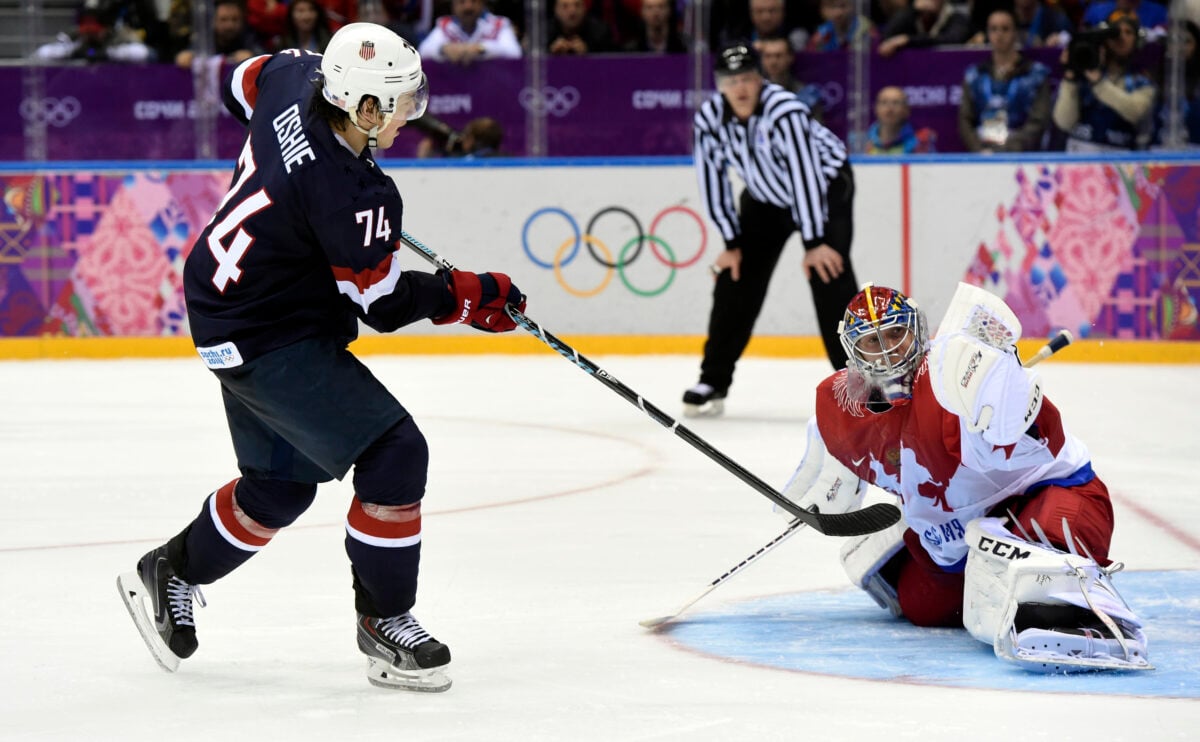
Evgeni Malkin, James van Riemsdyk, Pavel Datsyuk, and Joe Pavelski failed to score, keeping the shootout score 1-0. Russia needed a goal from Ilya Kovalchuk to extend the game. He succeeded.
Now that the shootout was past the third round, shooters could shoot again. Russia went first, giving the United States the last shot. Kovalchuk and Oshie failed to score in Round 4, but Datsyuk scored to give Russia the lead. Bylsma sent Oshie right back out for his third attempt. Oshie faked a backhand before beating Bobrovsky between the legs to keep the game going.
Kovalchuk scored for Russia. Again, Oshie had to score to extend the game. Was he nervous? Not at all. In fact, he was smiling at center ice before starting his attempt. A top-corner shot over Bobrovsky’s glove kept the USA alive. Two rounds later, Oshie came out with a chance to win the game.
Using a similar move to his first goal, Oshie scored to win the game for the United States. In just 10-15 minutes, Oshie went from a respected NHL forward to a national and Olympic legend.
American fans could be heard chanting his name on TV. Social media erupted. Headlines gave him the iconic nickname: “T.J. Sochi.”
Oshie Became a Legend
Blues’ fans were ecstatic, taking every opportunity to remind the hockey world that Oshie was a Blue. To many, he was an American hero. However, he argued term “hero” applied to another group of Americans.
Oshie’s humility was just as present as his shootout skills. From offering praise to the military to giving thanks to his coach and Olympic teammates, he refused to take the credit for himself. Still, there was no changing the fact that he was now a national celebrity. Even President Barack Obama extended his congratulations. Team USA failed to medal, but Oshie’s heroics remained perhaps the most iconic moment of the tournament.
The image of that game is still clear: Oshie skating slowly towards the net, crowd roaring, stick handling softly as he approaches Bobrovsky. No panicking. No rushing. Just concentration and belief. Oshie won the Stanley Cup with the Washington Capitals in 2018, but his Olympic moment might outshine even that. When fans think of Oshie now, they undoubtedly think of that game in Sochi in 2014.
Who’s the Next Olympic Hero?
Now that the NHL is back in the Olympics, the opportunity is there for another player to have their “Oshie moment.” Who will it be? We do not know. But, as we learned in Sochi, it can happen to anyone at any time.