The mystery surrounding the Montreal Canadiens’ near-deadline move has quickly become one of the most intriguing storylines to emerge from the 2026 NHL Trade Deadline. While general manager (GM) Kent Hughes ultimately chose to stand pat, Elliotte Friedman disclosed shortly after the deadline that the Canadiens were aggressively pursuing a young impact player.
Related: Canadiens Have the Prospects to Finish the Rebuild Internally
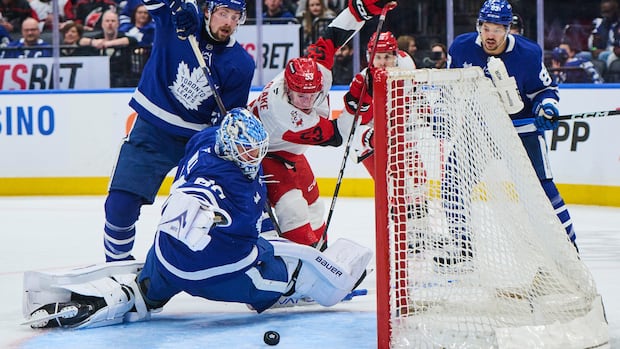
The identity of that target remains unconfirmed, but speculation has centered on the possibility that Montreal attempted to pry power forward Matthew Knies away from the rival Toronto Maple Leafs. Whether or not Knies was the exact player involved, the pursuit itself reveals plenty about the Canadiens’ current strategy.
Canadiens Mystery Man
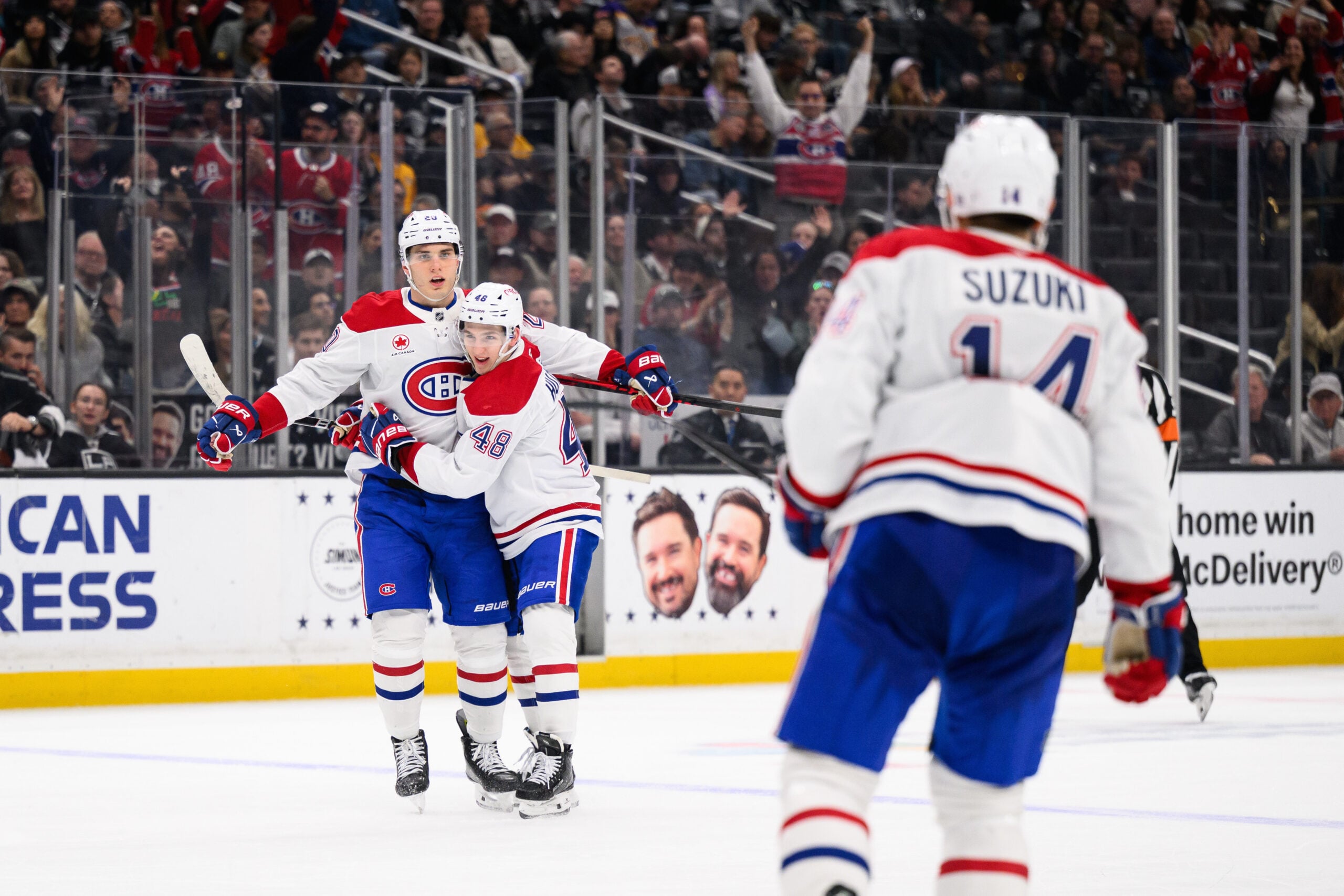
From Montreal’s perspective, the logic behind targeting a player like Knies is easy to understand. The Canadiens have spent the past few seasons building around a young offensive core led by Nick Suzuki, Cole Caufield, and Juraj Slafkovsky.

What the lineup still lacks is another big, physical forward who can win battles down low, drive the net, and create space for skill players like Ivan Demidov. The Canadiens’ needs are well known, and adding size and physicality to be able to compete in the playoffs has been a target all season. A power winger entering his prime would fit perfectly with Montreal’s timeline while adding an element the roster currently needs more of.
Even though a deal never materialized, the fact that the Canadiens were reportedly willing to put together a significant trade package suggests the organization believes its rebuild is entering a new phase. Hughes has consistently preached patience, but pursuing a player with size, youth, and top-six upside indicates Montreal is now looking for pieces that can grow with the core rather than simply accumulate future assets. In other words, the Canadiens appear to be transitioning from pure rebuilding toward calculated additions to take a leap ahead towards contender status.
Canadiens’ Change of Plan
With no move completed at the deadline, Hughes has time to refine any possible deal. He and the president of hockey operations, Jeff Gorton, can revisit the trade market this summer when the landscape typically opens up across the league. The offseason is when teams reassess their rosters, deal with salary-cap pressure, or decide if their franchise needs to shift into a rebuild or not, as Toronto will likely entertain. For Montreal, waiting allows the front office more time to evaluate its young players.
We continued towards our goal of building a team that can compete over the long term. We spent a lot of time on a specific move. It went right down to the last minute, and it wasn’t completed. But that doesn’t stop us from revisiting that in the summer.
-Kent Hughes
Montreal’s rebuild has been built on careful asset management, and the organization can afford to be selective when considering a major acquisition. If a player such as Knies, or a similar young impact player, does become available in the offseason, Hughes will be positioned to make a competitive offer. Until then, standing pat allows the team’s young core to continue developing while management prepares for the possibility of making a calculated and more surgical move once the summer trade market takes shape.
A Heavy Cost
If the Canadiens truly explored a deal for Knies, the price likely would have to be significant to pry such a valuable piece from a division rival, but it could also signal to that market that a rebuild is coming. The Canadiens would have had to part with young, established NHL players like Kaiden Guhle, who plays a physical style Montreal is in need of. Also, high-end young talent, especially from their blue line pipeline would have needed to be included.
Players such as Adam Engstrom or David Reinbacher would need to be included. Montreal has spent years stockpiling defence prospects, which makes that group one of the few areas where the organization could realistically trade from a position of strength while also addressing a need in Toronto. Beyond a defenseman, there are several second-tier forward prospects, such as centre Owen Beck, but also a first-round pick, and possibly additional draft selections may have been required to convince Toronto to move the young power forward.
For Montreal, that type of package would represent a calculated gamble. Moving a player like Guhle or Reinbacher would mean subtracting from what many consider the backbone of the Canadiens’ long-term defensive structure. However, acquiring a player like Knies could fill a pressing need upfront. He is a physical top-six winger capable of driving play along the boards, winning net-front battles, and complementing the skill of players like Suzuki or Demidov. In that sense, the trade would be less about sacrificing the future and more about balancing the roster around the team’s emerging offensive core.
There is also the financial component to consider. Knies is in the first year of a six-year contract that pays him $7.75 million per season. That salary-cap hit fits within Montreal’s long-term structure, matching the contracts of core forwards such as Suzuki and Slafkovsky. From a roster construction standpoint, that level of cap hit places Knies firmly within the Canadiens’ emerging salary hierarchy.
Equally important is the timeline attached to the contract. With five more years of cost certainty, Knies would be locked in throughout the critical window when Montreal hopes to transition from rebuilding to legitimate contention. Another point is that the salary cap is set to rise significantly over the next three seasons.
This level of cost certainty, as well as the salary matching the core forwards on the roster, is vital for the long-term salary structure. It leaves room for a long-term deal for Demidov and space to make an unrestricted free agent (UFA) signing if necessary.
For now, the mystery player remains exactly that, a mystery. But the story behind Montreal’s aggressive pursuit still speaks volumes. The Canadiens may not have made a splash at the trade deadline, yet their willingness to explore a major deal does signal that the front office believes the foundation is in place. The next step will be finding the right addition to complement the core and help push the Canadiens closer to becoming a legitimate contender again.