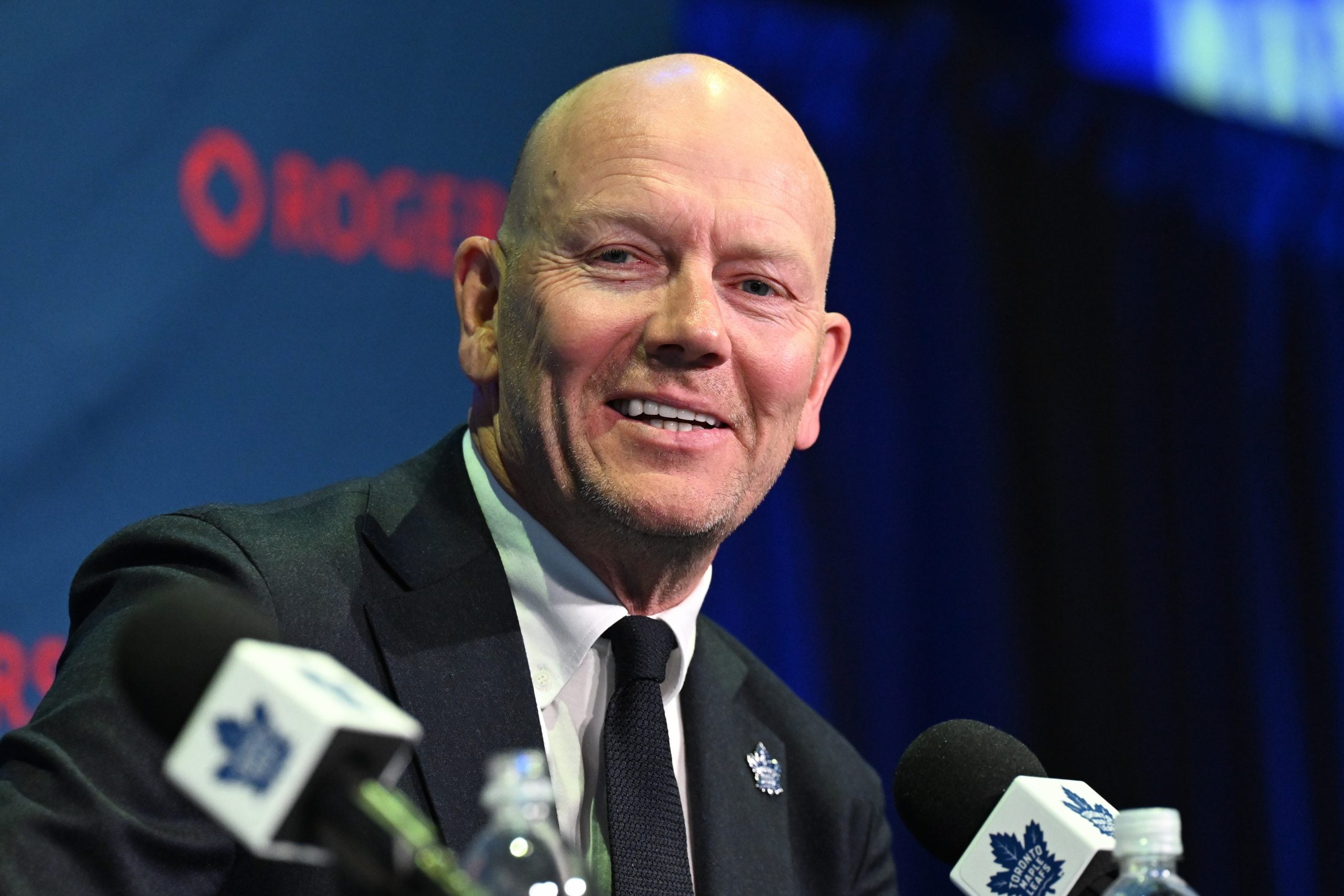
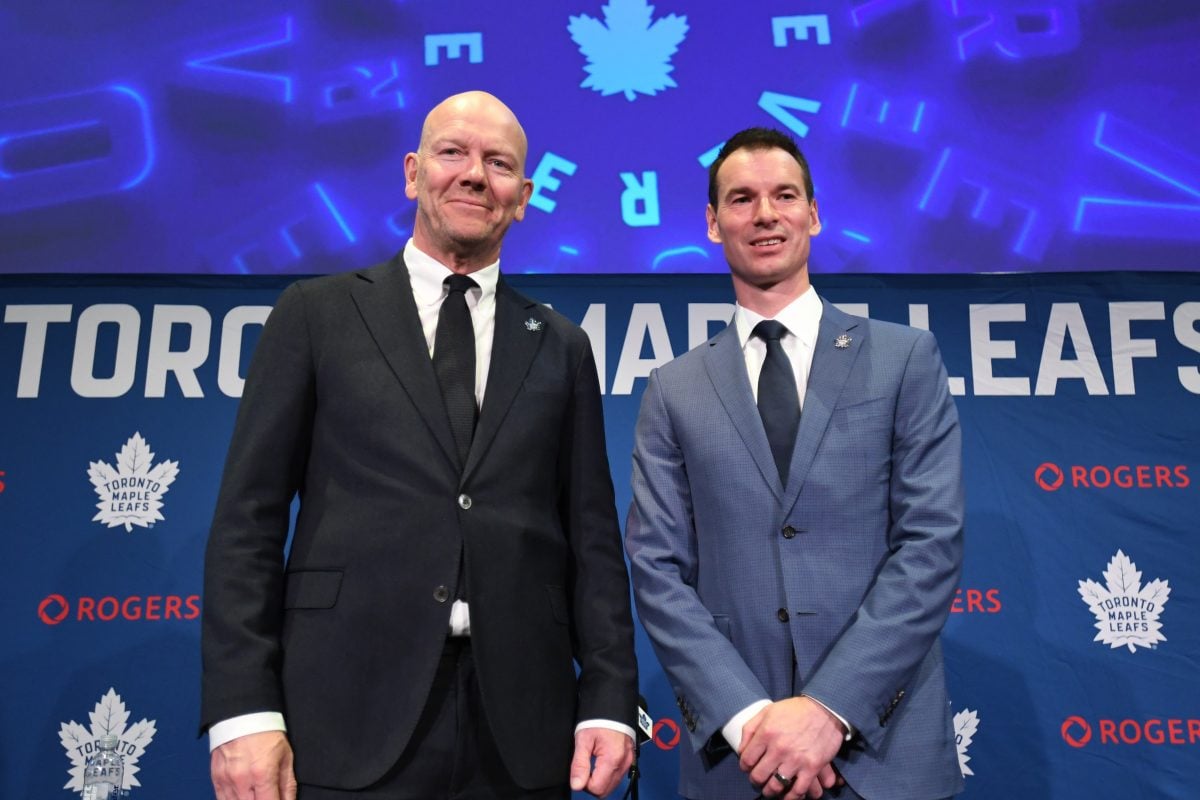
The Toronto Maple Leafs are entering one of the most fascinating transitional periods the organization has faced in years. With Mats Sundin stepping into the front office, John Chayka reshaping hockey operations, and the organization beginning a coaching search after moving on from Craig Berube, it feels like almost every part of the franchise is under review at the same time.
Maybe that’s why this offseason feels different. The conversation is no longer just about trades, contracts, or line combinations. Increasingly, the discussion around the Maple Leafs is becoming about leadership, culture, structure, and how successful organizations actually function. A lot of that interests me personally because much of leadership research outside hockey — particularly from my former life as an academic researcher — in high-functioning organizations — focuses on collaboration, communication, and shared vision rather than on top-down authority alone.
The Maple Leafs seem caught right in the middle of that debate right now.
Sundin Faces Both Opportunity and Pressure
There might not be a more respected figure in modern Maple Leafs history than Sundin, which is why his return immediately changed the emotional temperature around the organization. Fans trust him. Players likely will too. Sundin understands the pressure of Toronto better than almost anybody alive, and his calm personality could become a stabilizing force for a franchise that looked increasingly chaotic last season.
At the same time, he’s walking into an incredibly difficult situation. The Atlantic Division is getting stronger, the roster still has major questions, and the possible arrival of Gavin McKenna after the draft lottery has only raised expectations further. If Sundin and Chayka believe the organization needs a patient, long-term reset, convincing Toronto fans to embrace patience may become one of the hardest parts of the job.
Analyst Suggests Maple Leafs Lost Organizational Control
One of the more interesting critiques this week came from Mike Richards, Sportsnet 960 The Fan analyst, who argued the Maple Leafs gradually allowed too much influence to shift toward the players during the Core Four era. Richards suggested that Toronto lost the strong organizational hierarchy that successful teams usually rely on, in which authority flows from ownership down through management, coaches, and finally players.
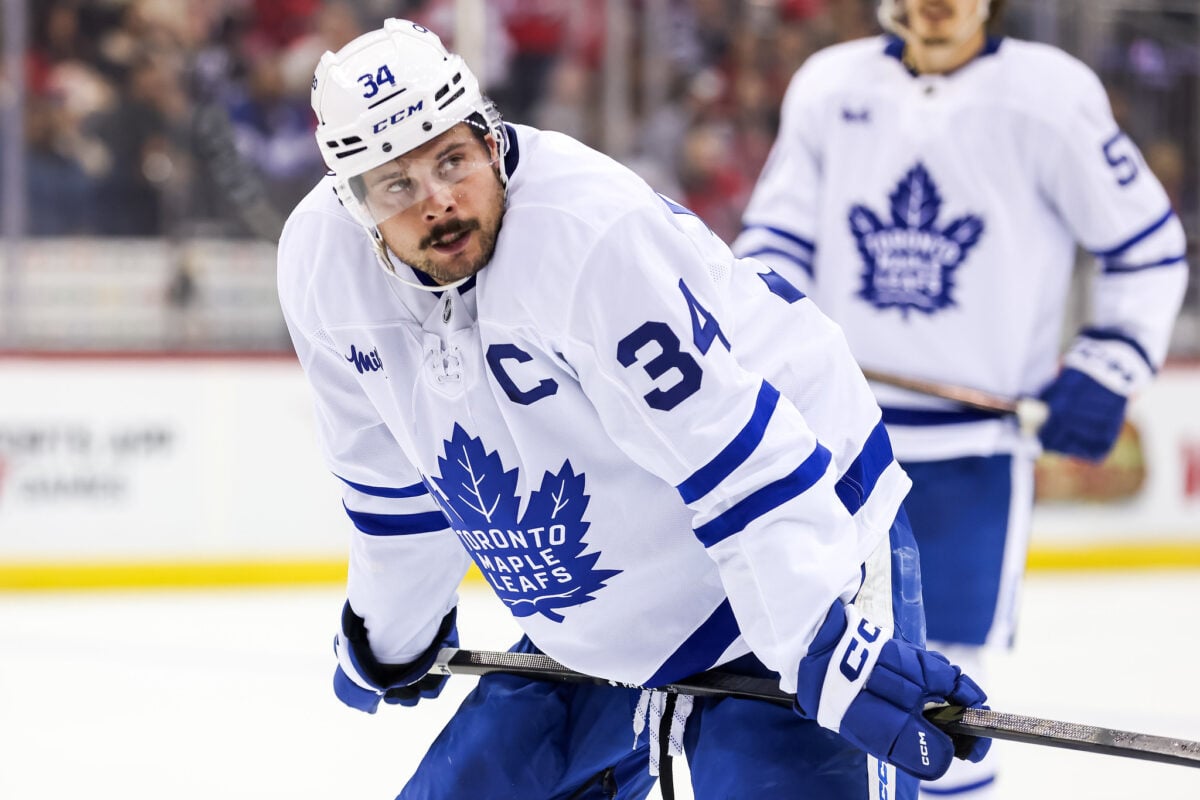
(Jess Starr/The Hockey Writers)
It’s a fascinating argument because there’s another side to it as well. In many successful organizations outside sports, collaborative leadership actually produces stronger cultures than rigid top-down structures do. The Maple Leafs may not have suffered from “too much player power” so much as a partnership model that ultimately failed to produce enough playoff success. In sports, winning often determines whether collaboration gets praised as empowerment or criticized as weakness.
The Coaching Search Could Become Bigger Than the Coach
Most fans naturally focus on who the Maple Leafs will hire next behind the bench. But if the organization is smart, the coaching search itself should become one of the most valuable parts of this offseason. Every coach interviewed will bring different ideas about systems, culture, player relationships, accountability, and leadership. Even candidates who never get hired could still help the Maple Leafs better understand their own weaknesses.
That’s why smart organizations often treat searches like this as information-gathering exercises as much as hiring processes. If multiple respected hockey minds independently identify similar flaws in roster construction, communication, scouting, or culture, those conversations can shape the franchise far beyond the eventual coaching hire itself.
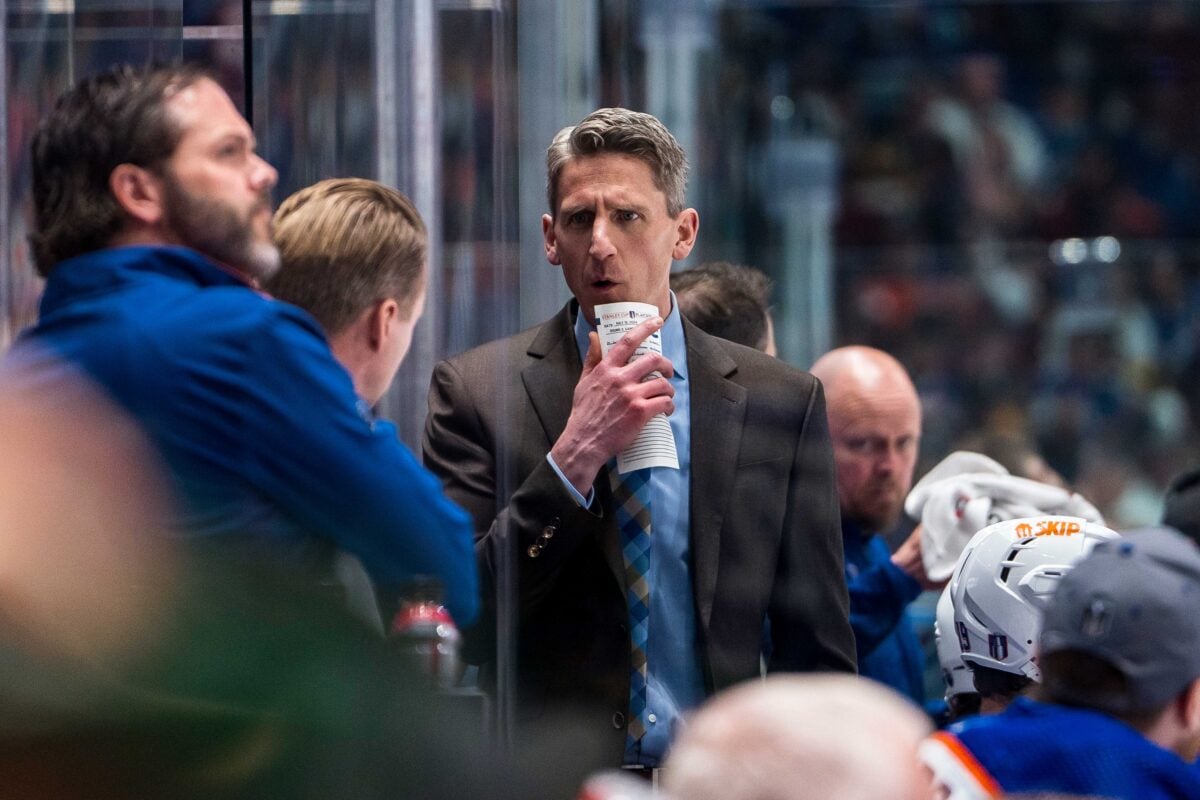
With Sundin and Chayka reviewing almost every level of hockey operations simultaneously, this process feels less like a simple coaching replacement and more like a full organizational self-study. If the Maple Leafs fail to take advantage of this external audit, it would be a significant missed opportunity.
What’s Next for the Maple Leafs?
The next few months will probably define the franchise’s direction for years. The Maple Leafs are evaluating their leadership structure, coaching philosophy, player relationships, scouting, development, and potentially even the team’s identity. This no longer feels like an offseason built around quick fixes. It feels like an organization trying to decide what kind of franchise it wants to become. Opportunities like this don’t come around often, and when they do, they are invaluable.
And honestly, that may be healthy. For years, the Maple Leafs often looked stuck between competing visions — trying to contend immediately while also evolving culturally and structurally. Now, with Sundin, Chayka, and a possible franchise-changing young player on the way, Toronto finally has an opportunity to step back, rethink everything, and build a clearer long-term identity.
Whether that process succeeds or fails, it’s going to make this one of the most important offseasons the organization has had in a very long time.
Free Newsletter
Get Toronto Maple Leafs coverage delivered to your inbox
In-depth analysis, breaking news, and insider takes – free.
Subscribe Free →