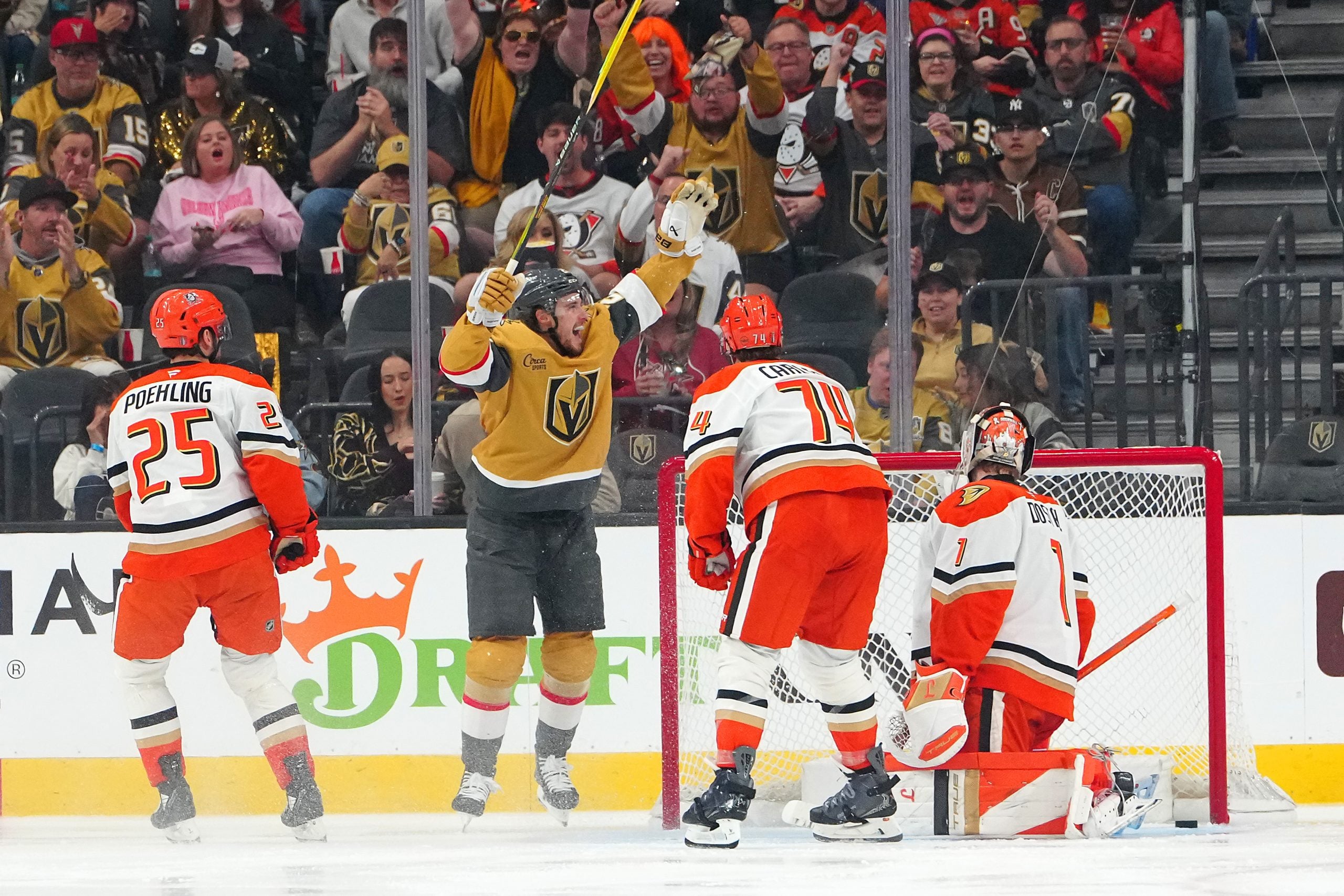
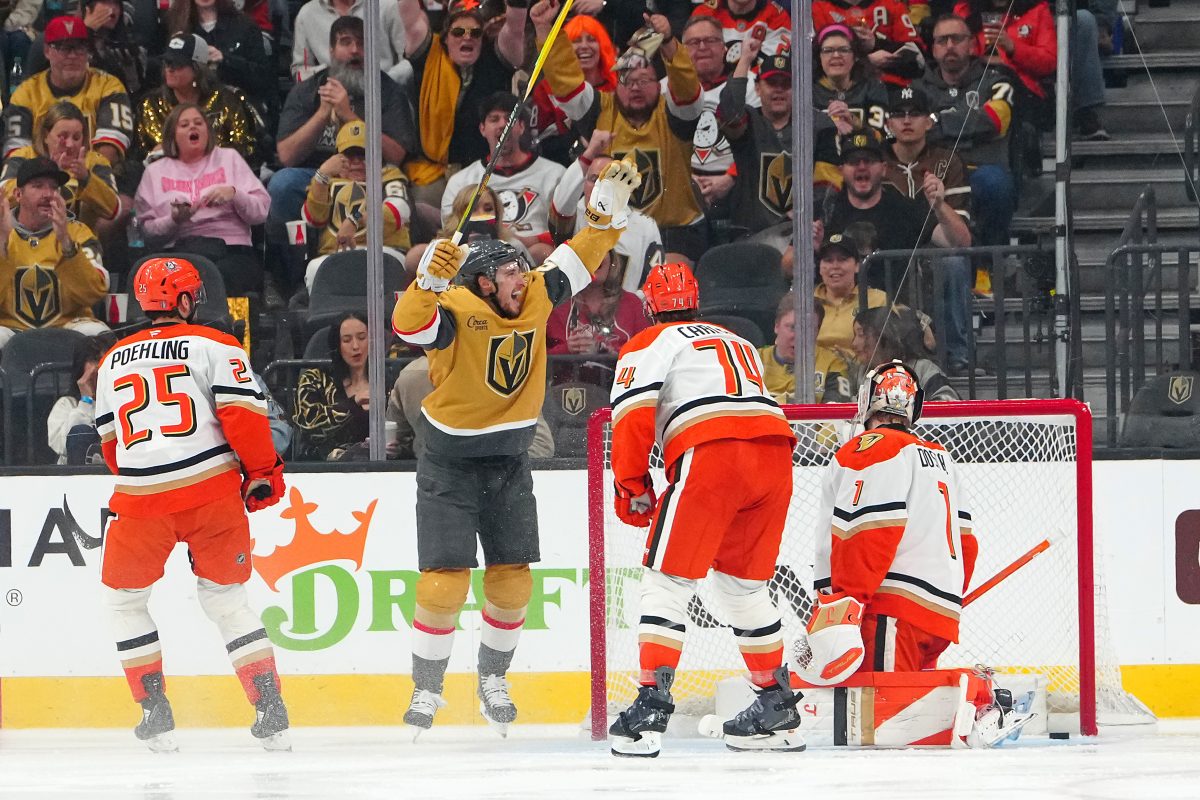
The Anaheim Ducks fell to the Vegas Golden Knights in six games in Round 2 of the 2026 Stanley Cup Playoffs, losing the final game 5-1 on Thursday night. The offseason might have arrived earlier than anyone wanted, but aside from the disappointment, the Ducks’ playoff run produced enough evidence to be optimistic about the franchise’s future.
Here are three things worth carrying into the offseason.
Ducks Took Out One of the Best Teams in the League
First, the Ducks eliminated the Edmonton Oilers in Round 1, and that deserves more credit than it has received. Edmonton went to the Stanley Cup Final in back-to-back years and built its identity around the most dangerous player in the game, Connor McDavid. Defeating the Oilers in six games was not supposed to happen, and Anaheim did it in impressive fashion.
The Ducks used their speed to beat a team that has built its entire identity on speed. They were also disciplined enough to cover McDavid and neutralize Edmonton’s biggest advantage. Tim Washe and the fourth line were deployed specifically to shadow McDavid and disrupt his rhythm, and it worked.
A team known for explosive, high-tempo offense looked ordinary, and a young Anaheim roster that nobody gave a realistic chance of coming out on top handled the pressure of a playoff series against a veteran lineup.
Anaheim’s Youth Is Ready
This is the most important takeaway from these playoffs and should have Ducks fans genuinely excited heading into next season. Beckett Sennecke was everything the organization drafted him to be and then some. He scored clutch goals, go-ahead goals, and became just the second Ducks rookie to score in three straight playoff games, joining Bobby Ryan from the 2009 run.
He finished the regular season with 60 points and then backed it up with a playoff performance full of skill, physicality, and poise under pressure. The spin-o-rama assists, the big hits, the competitive level in tight games — all of it translated when the stakes were at their highest. The ‘reach’ narrative from draft night is officially buried.
Leo Carlsson led the team in playoff scoring with four goals and six assists through 12 games, anchoring the top line and driving possession the way a franchise center is supposed to. At 21 years old, he already looks like the best player on a team that knocked out the Oilers. His shot volume ranked near the top of the league among all playoff forwards, and his two-way game held up in the most demanding minutes against the best competition he has faced. The foundation is not coming. It’s already here.
Cutter Gauthier had his coming-out party in this postseason. He delivered multi-goal, multi-point performances, including a three-point night with two goals in Game 2 against Edmonton, and he proved that his 41-goal regular season was not a product of a favorable schedule or inflated deployment. He can do it when it matters, and his shot and his size make him one of the most difficult forwards to defend when he is engaged and physical.
Jackson LaCombe was the best defenseman in the series offensively, posting a goal and nine assists while logging over 25 minutes a night and leading the team in possession metrics from the blue line. He took a massive step as Anaheim’s top-pair defenseman and proved to be a cornerstone piece for years to come.
Owen Zellweger entered the Golden Knights series off the bench and delivered immediately. A clutch tying-goal late in Game 5 to force overtime and a key assist on the game-winner in Game 4 were not the contributions of a player finding his footing. They were the contributions of a player who belongs.
His mobility, his puck-moving instincts, and his composure in high-pressure moments added another layer to an already impressive defensive group. The prospect pipeline continues to produce, with Roger McTavish and Stian Solberg still waiting in the system. This group is as advertised and will only get better.
Lukas Dostal Proved He Can Be the Guy
There was a moment during the first round, after a difficult Game 5, when the conversation around Lukas Dostal turned genuinely negative. His save percentage numbers were not where they needed to be, his goals-against average was running high, and questions about whether he could handle the starter’s workload in a playoff environment were legitimate. He answered them.
Dostal finished the run with a 6-6 record across roughly 11 starts, and while the raw numbers, a save percentage in the .870 to .878 range and a goals-against average around 3.36 to 3.54, do not jump off the page, the context matters.
The Ducks ranked near the bottom of the league in goals allowed and expected goals against during the regular season, and those defensive issues did not disappear in the playoffs. The goals that beat Dostal were overwhelmingly the result of defensive breakdowns in front of him rather than soft shots that he should have saved.
What he showed throughout the run was composure, athleticism, and the ability to make the big save at the right moment. Highlight-reel stops against elite forwards, strong rebound control in overtime situations, and a performance level that improved as the series went on against Vegas. He kept his team in games night after night on a roster that was still learning how to win.
Dostal is 25 years old, has 30 regular-season wins and a full playoff run on his resume, and is clearly the long-term starter in Anaheim. The questions about his ceiling have not been answered yet, but the questions about his readiness have.
The Ducks lost. But they showed enough to believe the best is yet to come.
Free Newsletter
Get Anaheim Ducks coverage delivered to your inbox
In-depth analysis, breaking news, and insider takes – free.
Subscribe Free →