The Pittsburgh Penguins have already assembled a crowded roster, but they should not close the door on adding more competition before training camp.
Michael Bunting, Vladimir Tarasenko, and Logan Stanley remain among the NHL’s notable unrestricted free agents entering August. Each produced enough last season to deserve another contract, but the longer their markets remain unresolved, the more realistic a professional tryout (PTO) agreement could become.
A PTO would allow Pittsburgh to evaluate a player during camp and the preseason without guaranteeing him an opening-night roster spot. The Penguins could then offer a standard contract, release him or allow him to sign elsewhere. Their current cap and roster projection includes approximately $13.7 million in space and 46 of 50 standard contract slots in use, so they have enough flexibility to make a signing if someone earns one.
Pittsburgh should not invite all three merely to collect recognizable names. Each PTO would need to address a specific roster question while creating meaningful competition rather than taking opportunities away from younger players without cause.
Here are three remaining free agents the Penguins should consider if they are still available closer to camp.
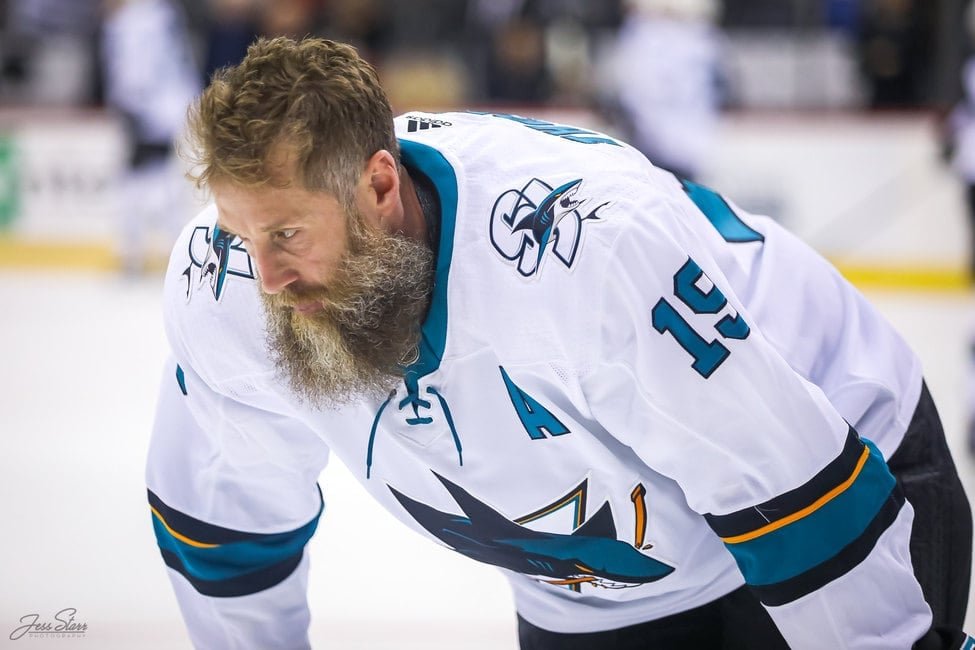
1. Michael Bunting Could Make Penguins Reunion Worthwhile
Bunting would provide the most interesting storyline and the most familiar fit.
The Penguins sent Bunting and a 2026 fourth-round pick to the Nashville Predators in March 2025 for defenseman Luke Schenn and Tommy Novak. Pittsburgh has since turned Schenn into additional draft capital and signed Novak to an extension, meaning a Bunting reunion would not reverse the original transaction.
It would allow the Penguins to retain the most important part of the return while potentially bringing Bunting back at a fraction of his previous $4.5 million cap hit.
The trade that sent Bunting to Nashville initially gave Pittsburgh a younger, more versatile forward in Novak and another asset in Schenn. Novak then recorded 16 goals and 42 points while playing all 82 games last season, leading Pittsburgh to give him a three-year, $4.65 million average annual value (AAV) extension.
Bunting’s career moved in the opposite direction. He recorded 13 goals and 31 points in 61 games with Nashville before the Predators traded him to the Dallas Stars, where he added one goal and one assist in 13 appearances. His combined total of 14 goals and 33 points was his lowest across a full NHL season since becoming a regular with the Toronto Maple Leafs in 2021-22.
That decline explains why a PTO could eventually become realistic. Bunting will turn 31 during the season and may no longer receive the multi-year offers available earlier in his career, but his game still includes qualities Pittsburgh could use. He creates traffic, competes around the crease and can provide a net-front option on the power play.
Bunting performed that role effectively during his previous Penguins tenure. He produced six goals and 19 points in 21 games after arriving in the Jake Guentzel trade, then led Pittsburgh with nine power-play goals before being moved the following season. His best work consistently came from attacking the blue paint rather than trying to create offense from the perimeter.

The concern is whether the Penguins have room. Bryan Rust, Rickard Rakell, Egor Chinakhov, Andrei Kuzmenko, Nicholas Robertson, and Justin Brazeau already occupy wing positions, while Rutger McGroarty and Ville Koivunen need opportunities. The Penguins’ crowded forward picture makes another veteran difficult to accommodate unless an injury or trade changes the depth chart.
A PTO would allow Bunting to prove he is still better than one of those options. Pittsburgh should not guarantee him a job, but a familiar net-front forward competing for one could make camp more meaningful.
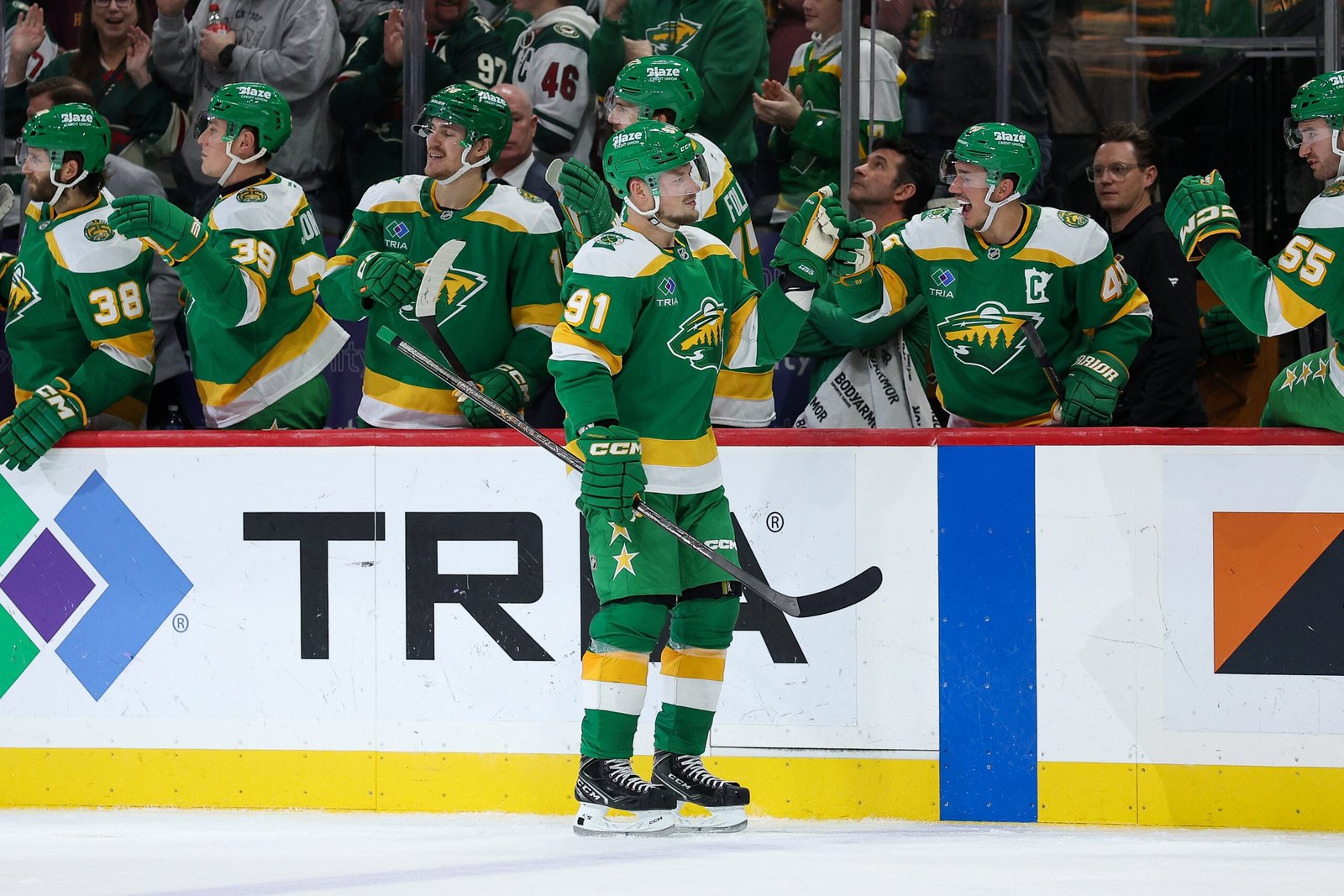
2. Vladimir Tarasenko Could Add Another Scoring Threat
Tarasenko is the most accomplished and offensively dangerous player on this list.
The 34-year-old winger recorded 23 goals and 47 points in 75 games for the Minnesota Wild last season before adding two goals and five points in 11 playoff appearances. He has also won the Stanley Cup twice and scored 327 goals across 14 NHL seasons.
Those numbers make Tarasenko an unusual PTO candidate. A player coming off 23 goals would normally receive a guaranteed contract, and he may still sign one before training camps open. Pittsburgh should enter the discussion only if his market remains unexpectedly quiet and he becomes willing to use camp to secure a role.
Tarasenko’s shot would give the Penguins another legitimate finisher. He remains capable of scoring from the circles, creating power-play offense and converting chances beside skilled centers. Even after moving lower in Minnesota’s lineup, he provided enough secondary production to remain valuable during the Wild’s postseason run.
Pittsburgh could offer him access to Sidney Crosby, Evgeni Malkin, or Novak during the preseason, creating an environment where his scoring ability would receive an immediate test. A productive camp could earn Tarasenko a short-term contract with the Penguins or generate interest elsewhere.
The fit is not perfect. Pittsburgh already signed Kuzmenko as a veteran scoring gamble and acquired Robertson to add another shooter. Tarasenko would create additional overlap without improving the team’s speed or defensive structure significantly, and his arrival could further reduce the opportunities available to younger forwards.
A PTO would prevent the Penguins from committing before seeing whether his current pace and overall game still justify a regular role. It would also give head coach Dan Muse the opportunity to compare Tarasenko directly with Kuzmenko, Robertson, Brazeau, and the prospects competing for the final forward positions.
Tarasenko offers the greatest offensive upside of the three candidates. He also appears least likely to accept a tryout unless September arrives without a better offer.
3. Logan Stanley Could Address Penguins’ Left-Side Uncertainty
Stanley would address a different concern.
The 6-foot-7, 231-pound defenseman produced career highs with nine goals, 17 assists and 26 points in 76 games split between the Winnipeg Jets and Buffalo Sabres. He was dealt to Buffalo before the 2026 Trade Deadline and recorded five assists in 17 regular-season games before appearing in the playoffs.
Stanley’s breakout production makes his continued availability surprising, although teams may be cautious about paying for one career year. He had never recorded more than 14 points in a season before 2025-26 and will turn 28 in May, limiting the amount of future development an acquiring club should expect.
Pittsburgh could still use his size and left-handed shot. Samuel Girard is the clearest established option on the left side, but Ryan Graves remains unreliable, Declan Carlile is still trying to secure a permanent NHL role and Owen Pickering needs to prove he is ready for greater responsibility.
That uncertainty was central to the Penguins’ left-side defensive problem. Stanley would not solve the position by himself, but he would give Pittsburgh another natural left-shot option capable of defending the crease, killing penalties, and bringing a physical element to the third pairing.
Buffalo’s review of Stanley’s career season showed that he established personal bests in nearly every offensive category. The Penguins should not expect nine goals again, but his shot, reach and improved puck confidence could make him more than a one-dimensional depth defenseman.
The potential downside is significant. Signing Stanley could place another obstacle in front of Pickering or Carlile, two younger players whose development matters more to Pittsburgh’s future. Stanley would also need to outperform Graves convincingly enough to justify carrying another veteran defenseman.
A PTO creates the right structure for that evaluation. Stanley could compete without receiving a guaranteed roster position, while Pittsburgh could determine whether his career season reflected sustainable improvement or an outlier.
Penguins Should Use PTOs to Create Purposeful Competition
A professional tryout should not become a substitute for making difficult roster decisions.
The Penguins already have enough forwards and defensemen to fill an opening-night lineup. Their challenge is determining which combinations provide the best balance between remaining competitive and creating opportunities for younger players.
Bunting offers familiarity, net-front offense, and the most entertaining reunion. Tarasenko provides the highest scoring ceiling, while Stanley addresses the clearest positional weakness. None should receive a contract based only on reputation or previous production.
Pittsburgh also does not need to invite all three. One targeted PTO may be enough to raise the standard in camp without overcrowding the roster or limiting the repetitions available to prospects.
Bunting would be the best first call because he understands Pittsburgh, has succeeded beside its veteran centers and could restore an element the forward group still needs. Tarasenko would become the more attractive option if the Penguins suffer an injury or decide they need another pure scorer. Stanley makes sense if the left-side competition remains unconvincing entering September.
A PTO costs little and guarantees nothing. For a Penguins roster filled with options but short on certainty, that is exactly why the right invitation could be worthwhile.
Free Newsletter
Get Pittsburgh Penguins coverage delivered to your inbox
In-depth analysis, breaking news, and insider takes – free.
Subscribe Free →