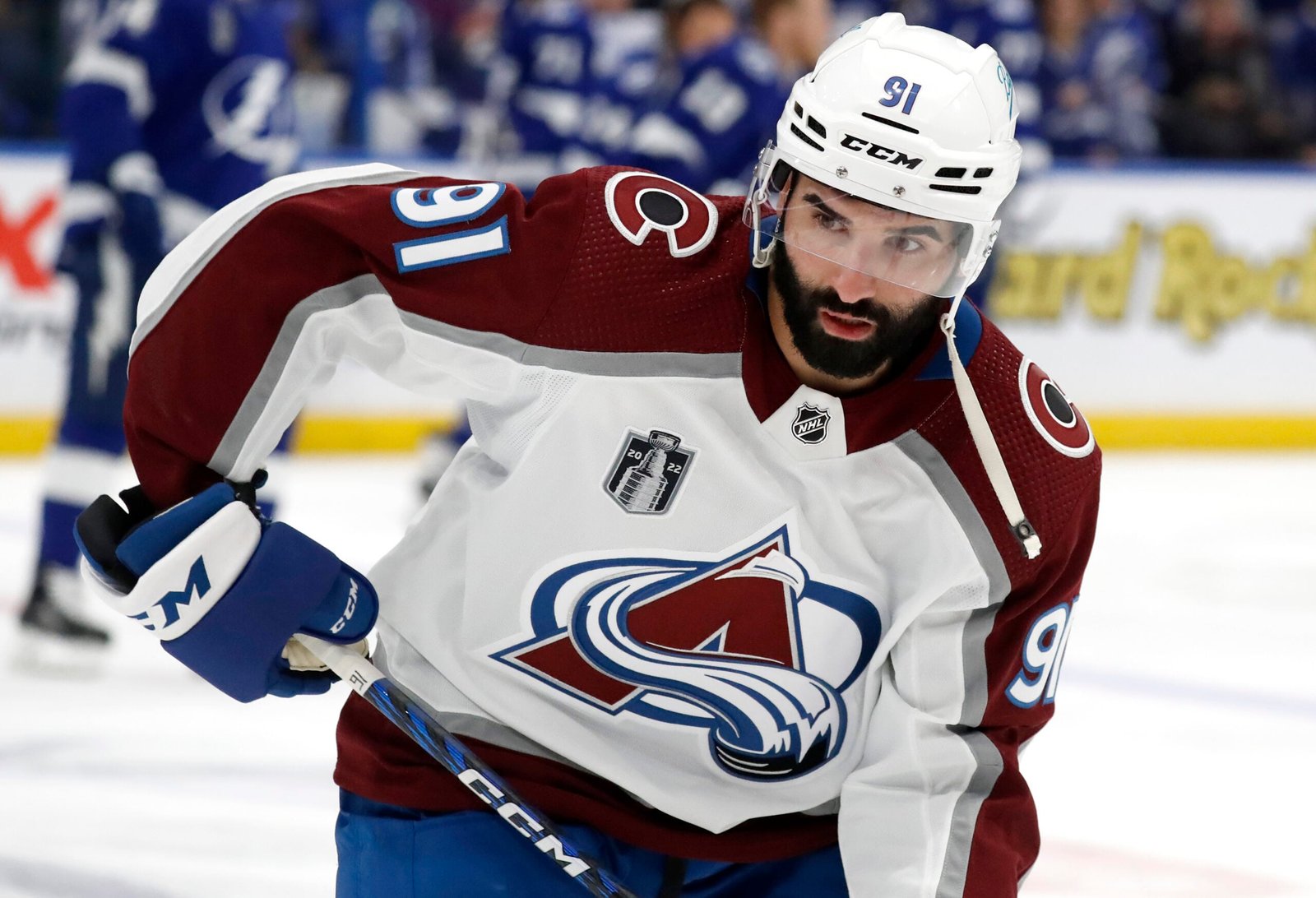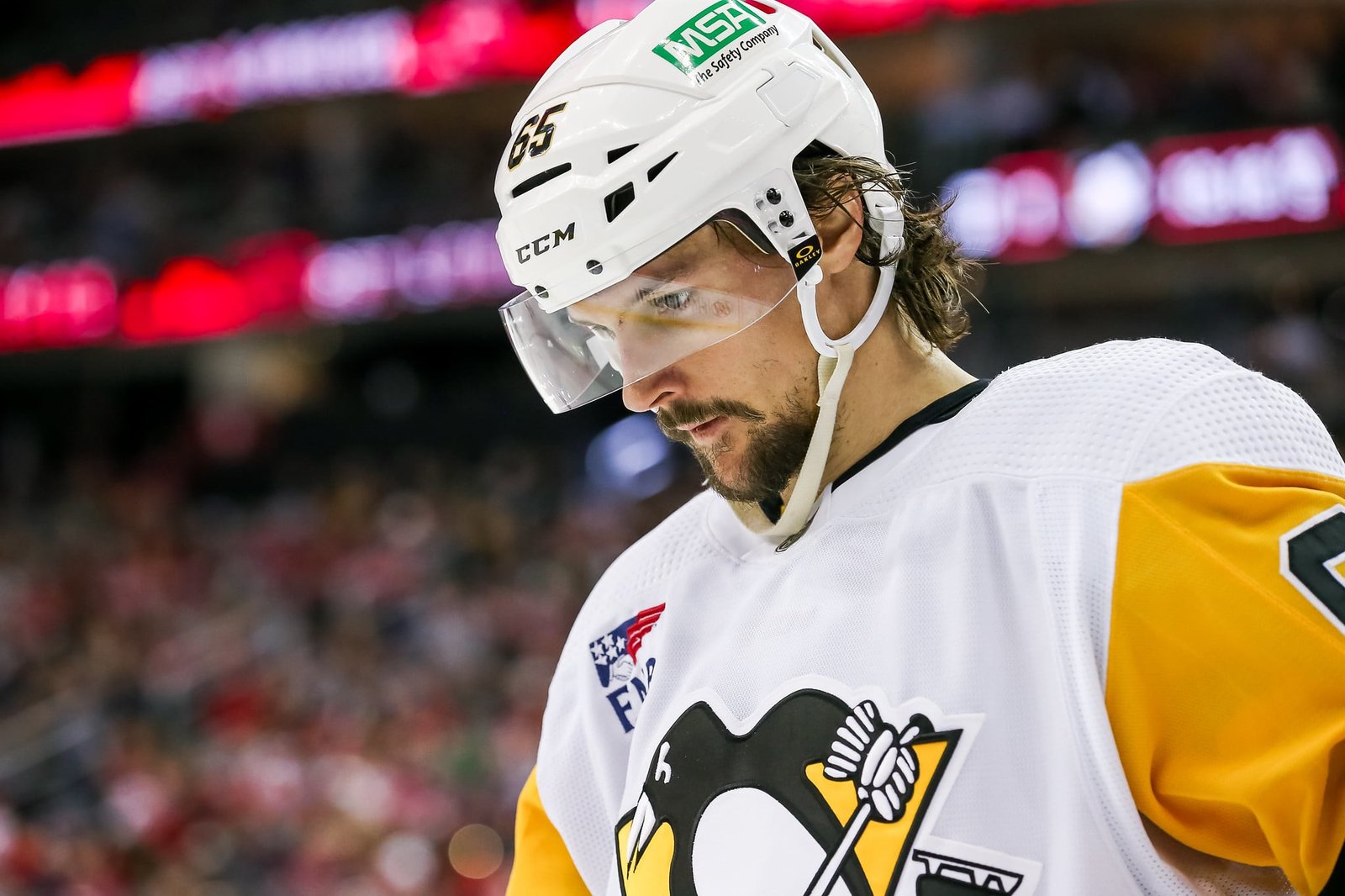
The Pittsburgh Penguins completed one of the largest trades in franchise history on Aug. 6, 2023, acquiring Erik Karlsson, Rem Pitlick, Dillon Hamaliuk, and the San Jose Sharks’ 2026 third-round pick in a three-team transaction involving San Jose and the Montreal Canadiens.
Pittsburgh sent Mikael Granlund and Jan Rutta to the Sharks while Jeff Petry, Casey DeSmith, and Nathan Legare went to Montreal. The Penguins also surrendered a top-10-protected 2024 first-round pick to San Jose and their 2025 second-round selection to Montreal. The first-round condition was not activated, making Pittsburgh’s pick the 14th selection in 2024.
The complete three-team Karlsson trade was designed to accomplish two objectives simultaneously. President of hockey operations and general manager Kyle Dubas wanted to remove several contracts inherited from the previous regime while adding the reigning Norris Trophy winner to a veteran core still built around Sidney Crosby.
Three years later, the transaction looks better than it did after Karlsson’s first two seasons. His 66-point performance in 2025-26 proved he could still drive a successful team from the blue line, while the financial and roster cleanup created lasting value.
The trade still failed its most important test. Pittsburgh acquired Karlsson to make another serious championship run and has not won a playoff series since.
Karlsson Trade Was Two Major Moves in One
Evaluating the transaction only as Pittsburgh trading draft picks for Karlsson misses part of what made the deal appealing.
Dubas inherited a roster carrying several contracts that limited his ability to reshape the Penguins. Granlund had struggled badly after arriving at the 2023 Trade Deadline, while Petry and Rutta gave Pittsburgh an expensive and aging defense. DeSmith was entering the final year of his contract after an inconsistent season in goal.
The Penguins were able to consolidate those players into Karlsson while avoiding a buyout that would have created dead money across multiple seasons. San Jose also retained $1.5 million annually on Karlsson’s contract, leaving Pittsburgh responsible for a $10 million cap charge rather than the full $11.5 million.
Dubas explained at the time that the deal added Karlsson and financial flexibility. Pittsburgh also completed the transaction without including Owen Pickering, Brayden Yager, or another leading prospect, protecting the limited young talent that remained in its system.
Those details explain why the original Karlsson trade grades were so favorable toward Pittsburgh. Dubas added a defenseman coming off a 101-point season while solving several roster problems in the same move.
The logic was sound. The results did not arrive quickly enough.
First Two Seasons Failed the Competitive Test
Karlsson’s first two seasons in Pittsburgh were productive by normal standards but disappointing relative to the expectations and cost surrounding the trade.
He recorded 11 goals and 56 points in 82 games during 2023-24 before finishing with 11 goals and 53 points the following season. Those totals kept him among the NHL’s more productive offensive defensemen, but he did not consistently resemble the player who had just led all defensemen with 101 points.
The fit was frequently awkward. Karlsson and Kris Letang required similar offensive opportunities, while Pittsburgh’s power play struggled to convert a collection of accomplished players into reliable production. Defensive mistakes and forced plays also made Karlsson an easy target when the team underperformed.
The larger failure belonged to the entire roster. Pittsburgh missed the 2024 playoffs after an inconsistent season and fell short again in 2024-25 as poor team defense and goaltending overwhelmed its remaining strengths.
Karlsson was not solely responsible for either result, but the trade was supposed to raise the veteran core’s ceiling immediately. Instead, Pittsburgh missed the postseason during each of his first two years and began trading established players for younger assets.
That changed the context around the draft picks. Giving up a future first-rounder is easier to justify when the acquiring team is competing for the Stanley Cup. It becomes more painful when the selection lands 14th overall and the team does not qualify for the playoffs.
Karlsson Finally Delivered in 2025-26
Karlsson’s third season provided the strongest argument in favor of the trade.
He recorded 15 goals and 66 points in 75 games, establishing his best totals since joining Pittsburgh. Karlsson finished among the NHL’s leading defensemen in scoring, handled major minutes in every situation and was named the Penguins’ most valuable player.
The Penguins’ 2025-26 roster summary showed how dramatically his season improved. Karlsson finished with 13 more points and a plus-8 rating after recording 53 points with a minus-24 rating the previous season.
Head coach Dan Muse appeared more willing to build around Karlsson’s strengths. He gave the defenseman freedom to carry possession, used him more extensively on the penalty kill, and found a stable partner who could support his movement. Karlsson responded by becoming one of the primary reasons Pittsburgh returned to the playoffs for the first time since 2022.
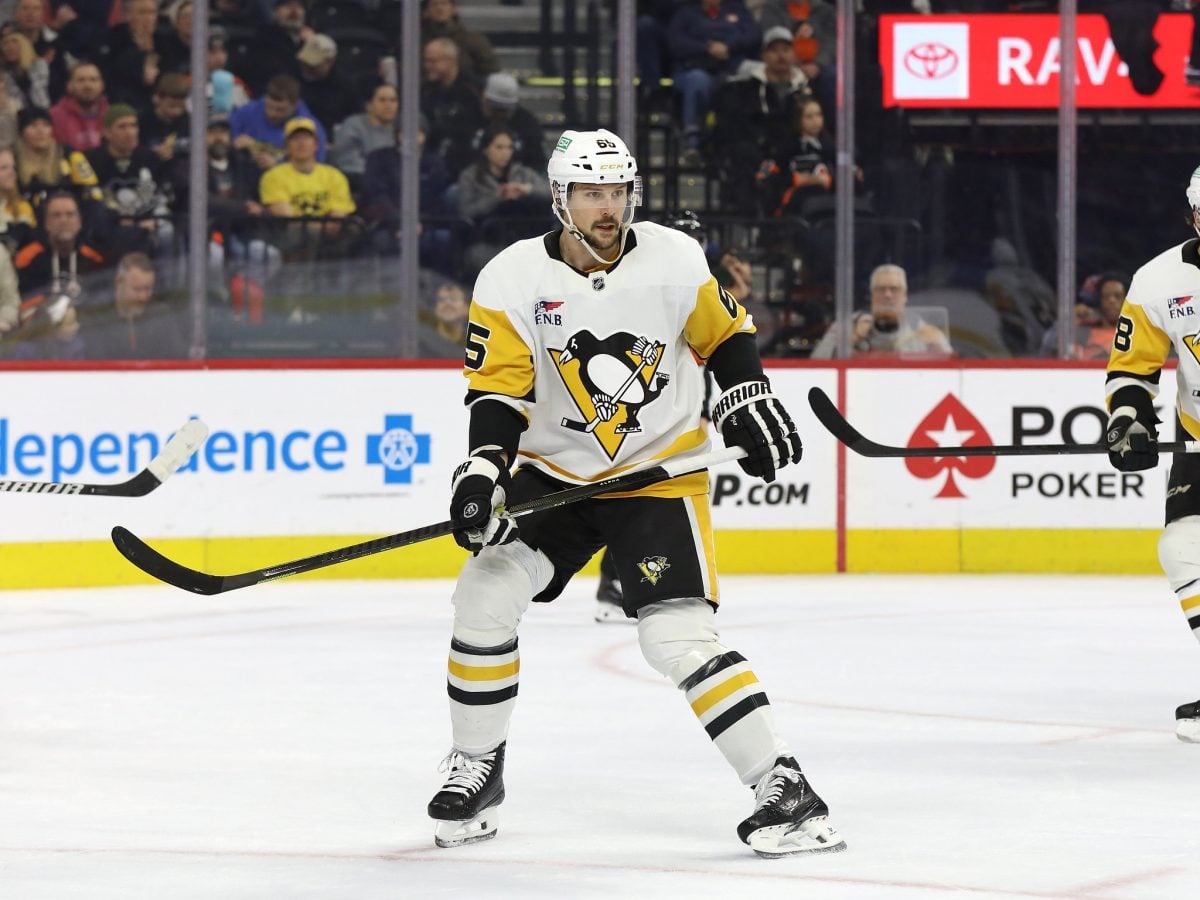
Karlsson added one goal and three points during Pittsburgh’s six-game first-round loss to the Philadelphia Flyers. The ending was disappointing, but his regular season demonstrated that the Penguins had not acquired a declining player incapable of delivering elite results.
His resurgence also improved the remaining value of the contract. Karlsson enters its final season as a productive defenseman rather than an obvious salary problem, giving Pittsburgh the option to retain him for another playoff attempt or explore a trade with greater leverage.
The current Penguins’ Karlsson contract decision would look considerably different if he were coming off another uneven season.
Roster Cleanup Created Lasting Value
The players Pittsburgh moved have to remain part of the evaluation.
Granlund eventually rediscovered his offensive game after leaving the Penguins, but he had recorded only five points in 21 games for Pittsburgh and carried two more seasons at a $5 million cap hit. Petry, Rutta, and DeSmith were useful NHL players without being irreplaceable parts of the veteran core.
Moving all four in one transaction allowed Dubas to rebuild the roster without using buyouts or attaching additional prospects to separate salary-clearing deals. The Penguins became more flexible immediately, even while absorbing Karlsson’s substantial contract.
The secondary pieces did not become major contributors. Pitlick never played for Pittsburgh and was later traded to the Chicago Blackhawks, while Hamaliuk did not develop into an NHL option.
The third-round selection created another branch of value. Pittsburgh used the San Jose pick to acquire Elmer Soderblom from the Detroit Red Wings at the 2026 Trade Deadline, turning part of the original package into a 24-year-old forward under contract through 2026-27.
Soderblom does not determine whether the Karlsson trade succeeded. His acquisition demonstrates that the return included more than one player and that Pittsburgh continued extracting value from the transaction three years later.
Draft Capital Remains the Significant Cost
The cleanup should not obscure what Pittsburgh surrendered.
The 2024 first-round pick was the 14th-overall selection after the Penguins failed to move into the top 10 through the draft lottery. San Jose later used that asset as part of a trade-up, but Pittsburgh lost an opportunity to add another premium prospect during a period when its system badly needed one.
The 2024 draft lottery finalized the condition, ensuring that Pittsburgh would keep its 2025 first-round pick while sending the 2024 selection to San Jose. The additional second-round pick sent to Montreal made the future cost even more meaningful.
Neither pick came with a guarantee of producing an NHL star. Karlsson provided three seasons of high-level offense, and the Penguins avoided sacrificing the prospects already inside their organization.
The problem is that Pittsburgh’s competitive timeline changed almost immediately after the trade. Jake Guentzel was moved seven months later, and Dubas began accumulating the type of draft capital he had just spent on Karlsson.
That does not make the original decision irrational. Crosby, Evgeni Malkin, and Letang were still productive, and adding the reigning Norris Trophy winner represented a defensible attempt to give them another chance.
The failure to capitalize is what makes the cost more noticeable.
Karlsson Trade Looks Better Without Becoming a Success
The Karlsson trade should not be remembered as a disastrous transaction.
Pittsburgh removed several difficult contracts, avoided long-term buyout penalties, protected its leading prospects and added a future Hall of Fame defenseman who produced 175 points across his first three seasons with the team. His 2025-26 performance showed that he remained capable of playing at an elite level.
The trade also did not accomplish what Pittsburgh needed most.
The Penguins missed the playoffs in Karlsson’s first two seasons and lost in the opening round during his third. They surrendered a first-round pick and a second-round pick without receiving the deep postseason run that justified spending those assets.
Both conclusions can be true. The trade was a smart cleanup of the roster Dubas inherited and an unsuccessful final gamble around Crosby’s veteran core.
Karlsson’s final contract year could still add another layer. He could help Pittsburgh make a stronger playoff run, leave in free agency or become an asset in another trade.
Three years after the deal, the verdict is no longer as negative as it appeared following two postseason misses. Karlsson eventually became the player Pittsburgh believed it was acquiring. He simply did not arrive on a team capable of completing the trade’s main objective.
Free Newsletter
Get Pittsburgh Penguins coverage delivered to your inbox
In-depth analysis, breaking news, and insider takes – free.
Subscribe Free →