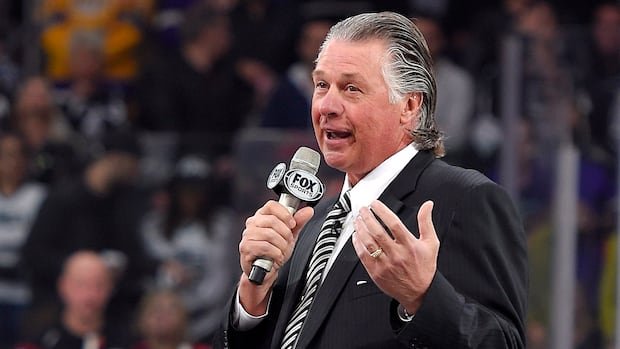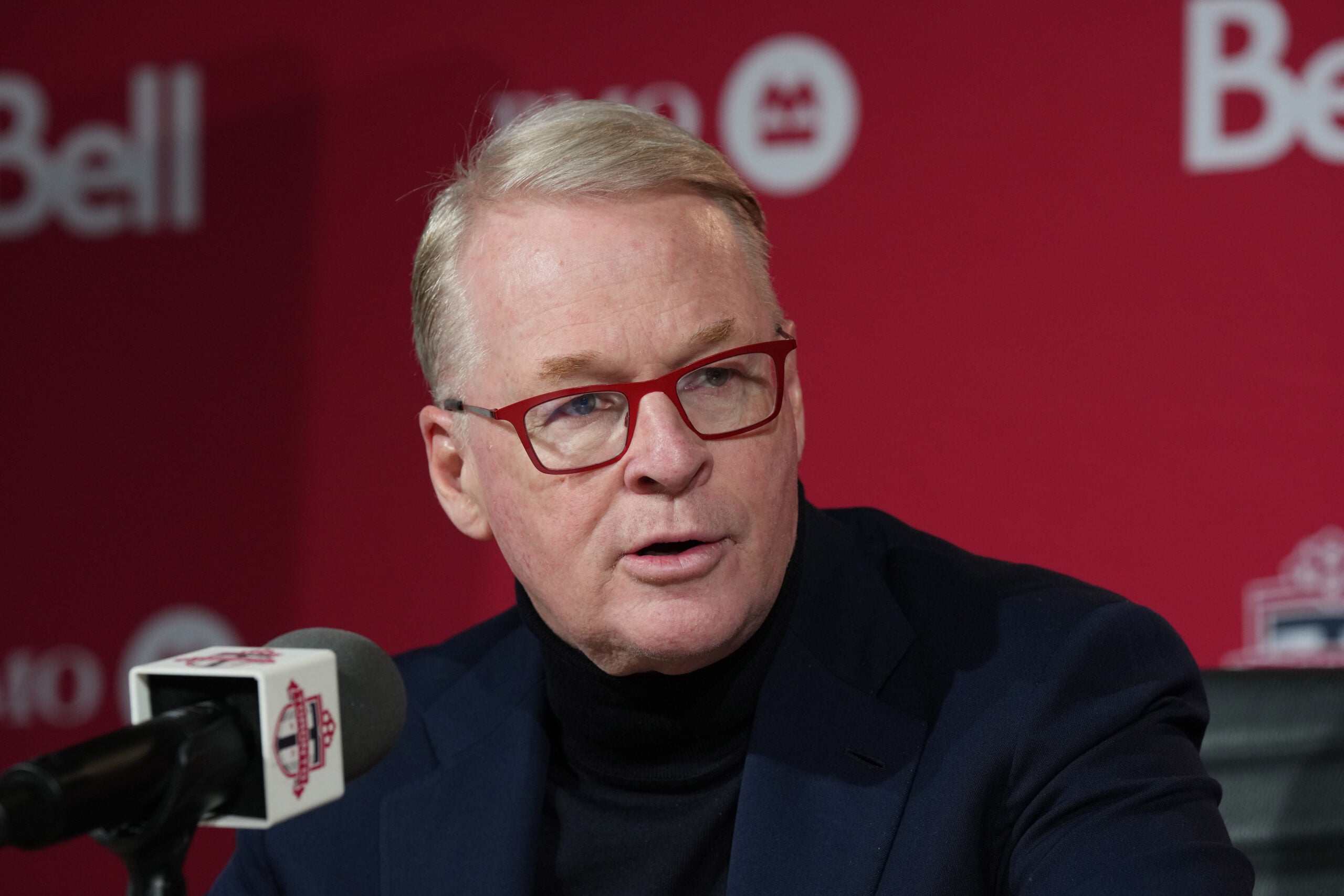
After what seemed like a week of waiting, the Toronto Maple Leafs held the press conferences to introduce their new front-office hires. In short, it was a press conference where you could feel and hear the organization trying to turn the page right in front of you.
Keith Pelley introduced John Chayka as their new general manager (GM) and Mats Sundin as a senior executive advisor. Pelley set the tone early: the frustration is real, the drought is real, and the status quo isn’t acceptable. If you’ve been around this team long enough, you’ve heard versions of that before. But this time, the messaging felt more direct, more structured, and a little less polished in the usual corporate way.
And maybe that’s the point.
Pelley Sets the Table: The Maple Leafs Haven’t Been “Good Enough”
Pelley leaned right into the team’s history. No conference final appearance since 2002. Two decades of expectation, disappointment, and rebuilding cycles that never quite arrive at the final destination. Pelley called it what fans already know: not good enough.
He also framed the hiring of Chayka and Sundin as a deliberate shift, not a cosmetic one. This wasn’t about tweaking the edges. It was about bringing in two people who, in his words, complement each other and can align the organization from ownership down to the ice.
There was a clear theme running through his remarks: alignment. It came up again and again. Front office, scouting, development, coaching—one direction, one voice, one structure. That’s the theory anyway. Execution is always the harder part in this market.
Chayka Arrives With a Message: Build, Don’t Chase
Chayka didn’t lean on nostalgia. In fact, he made a point of rejecting it. He talked about growing up just outside Toronto, going to games at Maple Leaf Gardens, and understanding what this team means to the city. But he was equally clear that emotional connection doesn’t build winning teams.
Then came the shift in tone. This job, he said, is not about chasing moments. It’s about building systems that consistently create them. It’s the kind of language that tells you exactly where his head is: structure over swings, process over panic.
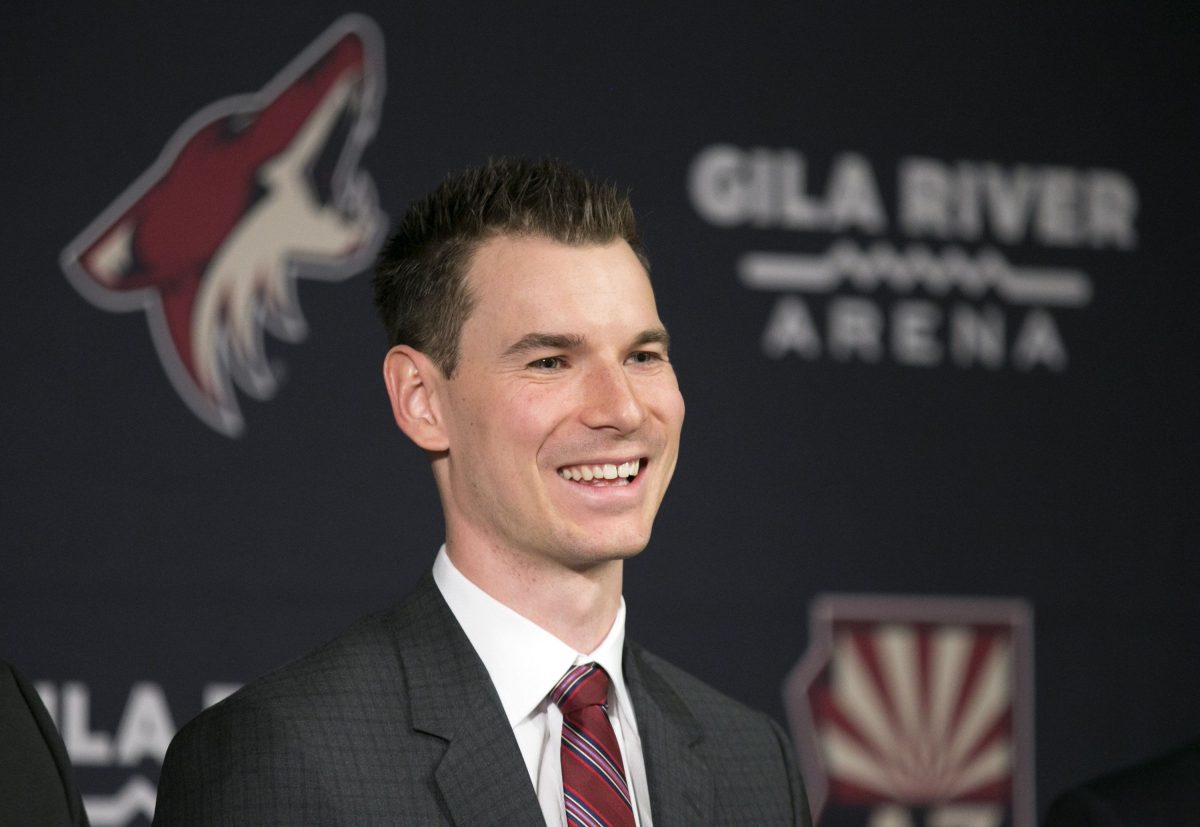
Chayka emphasized integration across every department—analytics, scouting, player development, performance, and medical. The goal, as he framed it, is simple but ambitious: To create an environment where players develop faster in Toronto than anywhere else in the league. That’s not a small claim. It’s also not one you can prove in a press conference, and he acknowledged as much.
He also addressed the obvious question. What about his time away from the NHL and his stint with the Arizona Coyotes? He didn’t dodge it. He acknowledged mistakes, lessons learned, and the evolution of his thinking. In today’s NHL, that kind of self-framing is almost expected, but it still matters.
The closing message was sharper than anything else he said. The work won’t be judged by words. It will be judged by results.
Sundin Brings the Weight of History
If Chayka was structure and systems, Sundin was identity. He spoke less like a front office executive and more like someone reconnecting with a place that still feels like home. He talked about knowing Chayka, about shared vision, and about trying to bridge generations of Maple Leafs hockey.
His presence matters less for what he will “do” in a technical sense and more for what he represents. He is a reminder of what this franchise once was at its most stable, most respected, and most grounded.
He also acknowledged something the organization rarely says out loud: past versions of this team had strengths, but also lessons that shouldn’t be ignored—particularly around locker room culture and leadership dynamics. It was measured, respectful, and pointed.
There was also a brief, indirect reference to locker room dynamics. While he didn’t explain it further, it was an interesting little note.
What It All Actually Means for the Maple Leafs and Fans
When you strip away the introductions and the polished language, this is what stands out: The Maple Leafs are not just changing personnel—they are trying to change operating logic. Chayka will be different from Brad Treliving. He is betting on process-heavy, integrated decision-making. Sundin is there to anchor culture and identity. Pelley is openly acknowledging that the old version of “close but not quite” is no longer acceptable.
But here’s the part fans already know in their bones: none of this matters until it shows up in results. Toronto has heard “new direction” before. They’ve heard “alignment” before. They’ve heard “structure” before. What they haven’t consistently seen is the end product in May and June.
So this is where it sits now: a new GM, a legendary former captain back in the room, and a leadership group saying all the right things about systems, accountability, and patience. The question is whether this version actually turns words into something more lasting than another reset.
Because in this market, the speeches are never the hard part. It’s everything that comes after.
Free Newsletter
Get Toronto Maple Leafs coverage delivered to your inbox
In-depth analysis, breaking news, and insider takes – free.
Subscribe Free →