The Toronto Maple Leafs’ new sport performance department has significant connections to the Pittsburgh Penguins’ past, present and most important players.
Toronto hired Andy O’Brien as vice president of sport performance, placing him in charge of strength and conditioning, sport science, nutrition, injury rehabilitation and mental performance across the organization. The Maple Leafs also hired Jason Martin as head strength and conditioning coach after he spent the past three seasons working with Pittsburgh’s developing players.
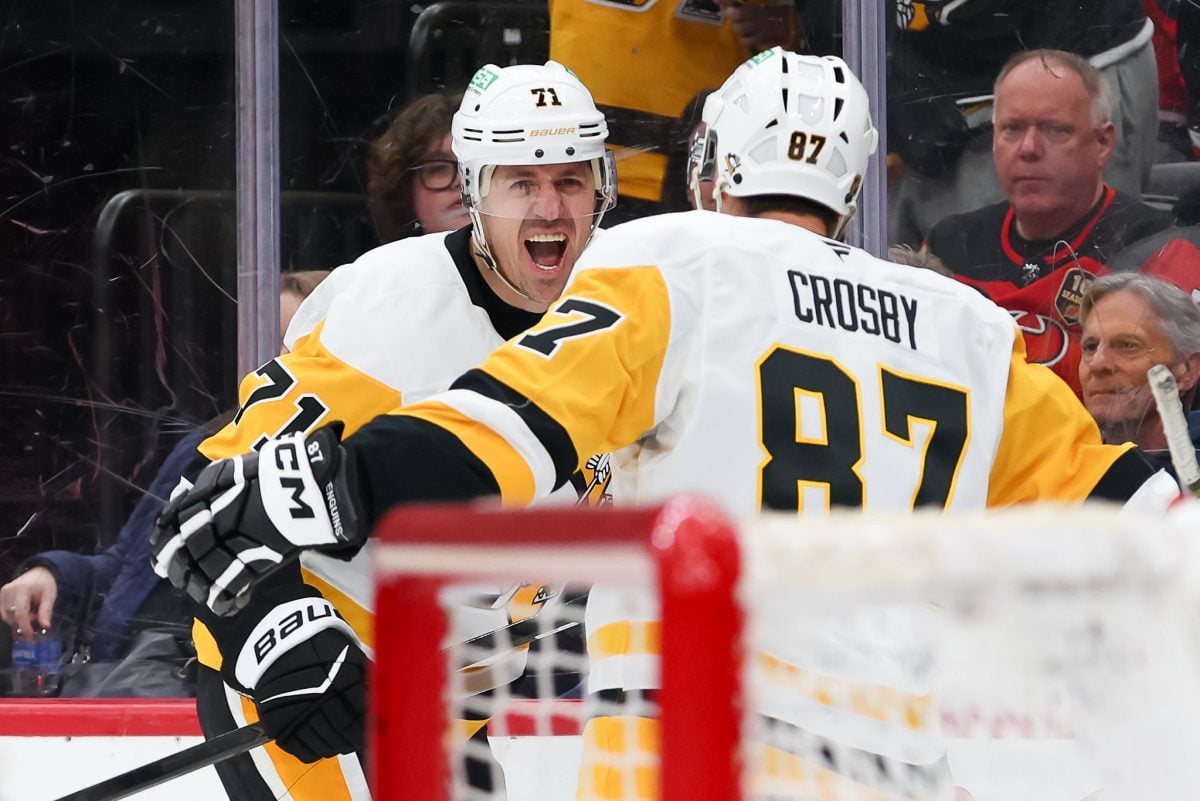
O’Brien previously served as the Penguins’ director of sports science and performance from 2015 through 2021, a tenure that included Pittsburgh’s consecutive Stanley Cup championships in 2016 and 2017. He has also trained Sidney Crosby since Crosby was 13.
The hires allow Toronto to import two people familiar with Pittsburgh’s performance and development systems. They also leave the Penguins with a staff position to replace and create a fair — but currently unanswered — question about whether O’Brien’s new full-time role will affect Crosby’s longstanding offseason routine.
Andy O’Brien Brings Pittsburgh’s Championship Experience
O’Brien’s Penguins connection extends beyond his personal work with Crosby.
Pittsburgh hired him in 2015 to develop the team’s off-ice training strategy and integrate sports science into its daily operations. The Penguins won the Stanley Cup during each of his first two seasons, relying on speed, conditioning and roster depth throughout consecutive extended playoff runs.
O’Brien was not solely responsible for those championships. The Mike Sullivan coaching change, Crosby’s return to elite form and major contributions throughout the lineup were all central to Pittsburgh’s success. O’Brien nevertheless helped oversee the physical preparation of a team that played 49 postseason games over two years and remained effective through the most demanding portion of each run.
The Penguins’ performance staff operated collaboratively, with sports science, strength and conditioning, medical personnel and coaches sharing information about player workloads and recovery. That integrated structure resembles what Toronto is now asking O’Brien to oversee on a larger organizational scale.
His experience also continued after leaving Pittsburgh in 2021. O’Brien worked as a high-performance consultant with the Florida Panthers as they rebuilt their performance and sports science program, a period that included Stanley Cup championships in 2024 and 2025.
Toronto is therefore hiring more than Crosby’s personal trainer. It is adding an executive with experience building performance systems around several championship teams.
Toronto Is Building an Integrated Performance Department
The Maple Leafs’ new performance structure gives O’Brien authority across nearly every part of player preparation and care.
His responsibilities include strength and conditioning, sports science, nutrition, rehabilitation and mental performance. Toronto also added Craig Slaunwhite as director of health and performance integration, Josh Crouse as assistant strength and conditioning coach and Jordan Shallow as a human performance consultant.
That structure suggests the Maple Leafs want fewer barriers between departments. Rather than treating strength training, injury recovery and workload management as separate areas, O’Brien can build a system in which information follows players throughout the organization.
The approach has obvious value for an NHL roster, but it may become especially important throughout Toronto’s development pipeline. Younger players need strength programs tailored to their bodies, skating mechanics and expected professional roles. They also need continuity as they move between junior hockey, college, the Toronto Marlies of the American Hockey League (AHL) and the Maple Leafs.
O’Brien’s private practice provides another connection to Toronto. His clients have included John Tavares, and his annual high-performance camps have hosted established NHL players for years. The Maple Leafs are hiring someone already familiar with the training habits and expectations of elite athletes rather than asking him to build those relationships from the beginning.
The move reflects a substantial organizational investment in maximizing the players Toronto already has. After an offseason featuring changes throughout hockey operations and the coaching staff, the performance overhaul represents another attempt to reshape how the organization operates behind the scenes.
Jason Martin’s Departure Affects Penguins Development
Martin’s move carries less name recognition than O’Brien’s, but it creates the more immediate staffing issue for Pittsburgh.
The Penguins hired Martin in 2023 as strength and conditioning coach for player development. His position connected physical preparation directly to the organization’s prospect pipeline rather than limiting that work to players already established in Pittsburgh.
Martin spent three seasons helping develop players and prepare for professional hockey. That role became increasingly important as president of hockey operations and general manager Kyle Dubas expanded the prospect pool through larger draft classes, trades and college free-agent additions.
The Penguins’ 2023 performance staff additions placed Martin within a department that also included lead performance coach Patrick Magee, strength and conditioning coach Juan Gonzalez and performance dietician Kourtney Gordon. His specific player-development title gave him responsibilities distinct from staff members primarily serving the NHL roster.
Pittsburgh now has to replace that connection at a time when physical development matters throughout the system. Peyton Kettles needs to add functional strength following shoulder surgery. Brady Peddle is adjusting to college competition, while Will Horcoff and several other young forwards are still growing into large frames.
The Penguins’ prospect reset under Dubas has created more talent for the development staff to manage. Drafting better players is only part of the process. Pittsburgh must also help those players become strong, durable and physically prepared enough to handle professional competition.
Martin’s departure does not dismantle the system. The Penguins retain an extensive performance and player-development staff, and one strength coach does not control every prospect’s progress. His exit does create a specialized opening that Pittsburgh should fill carefully rather than treating it as a routine offseason change.
Crosby’s Offseason Routine Remains an Open Question
O’Brien’s new position naturally creates questions involving Crosby because their relationship predates both of their Penguins careers.
O’Brien began working with Crosby when the future Penguins captain was 13. Their partnership has continued through Crosby’s junior career, his NHL development, serious concussion recovery and more than two decades of offseason preparation.
The relationship has also existed alongside O’Brien’s previous team responsibilities. He continued training Crosby and other private clients while working for the Penguins, and his high-performance camps regularly brought elite NHL players together for offseason sessions.
That history makes it possible that O’Brien could continue working with Crosby while holding his new Toronto position. It does not confirm that he will.
Toronto’s announcement discussed O’Brien’s private practice and annual camps but did not identify Crosby or explain whether the Maple Leafs will restrict outside clients. The club also did not specify how much of O’Brien’s time must be spent in Toronto during the offseason.
The responsible conclusion is therefore limited: Crosby has not officially lost his longtime trainer, and there is no confirmed change to his routine. O’Brien’s new full-time executive position makes the arrangement worth monitoring, but anything stronger would be speculation.
Crosby has built one of hockey’s most consistent preparation routines, and O’Brien has been central to it. A change would be meaningful, particularly as Crosby prepares to play at 39, but the current news does not establish that a change has occurred.
Toronto Is Importing More Than Penguins Names
The Maple Leafs did not hire O’Brien and Martin merely because both had worked in Pittsburgh.
O’Brien brings experience designing performance systems for championship organizations and working directly with elite players. Martin provides recent experience applying strength and conditioning principles to prospects attempting to reach the NHL.
Together, they give Toronto connections to two different stages of the Penguins’ organizational model. O’Brien represents the performance infrastructure surrounding Pittsburgh’s championship core, while Martin represents the increased emphasis on preparing the next generation.
Their departures carry different consequences for the Penguins. O’Brien has not worked for Pittsburgh since 2021, so his Toronto appointment does not remove a current staff member. Martin’s move creates an immediate vacancy within player development.
The Crosby question is separate from both. O’Brien’s relationship with him has always extended beyond an ordinary team employment arrangement, and Toronto has not said whether that private partnership will continue.
For now, the clearest conclusion belongs to the Maple Leafs. They have made a significant investment in a performance model with deep connections to Pittsburgh’s most successful era and its current development program.
The Penguins must replace Martin. Crosby and O’Brien must determine whether their longtime routine still fits around a demanding new position.
Until either side provides an answer, that part of Toronto’s overhaul remains an important question rather than a confirmed loss for Pittsburgh.
Free Newsletter
Get Pittsburgh Penguins coverage delivered to your inbox
In-depth analysis, breaking news, and insider takes – free.
Subscribe Free →