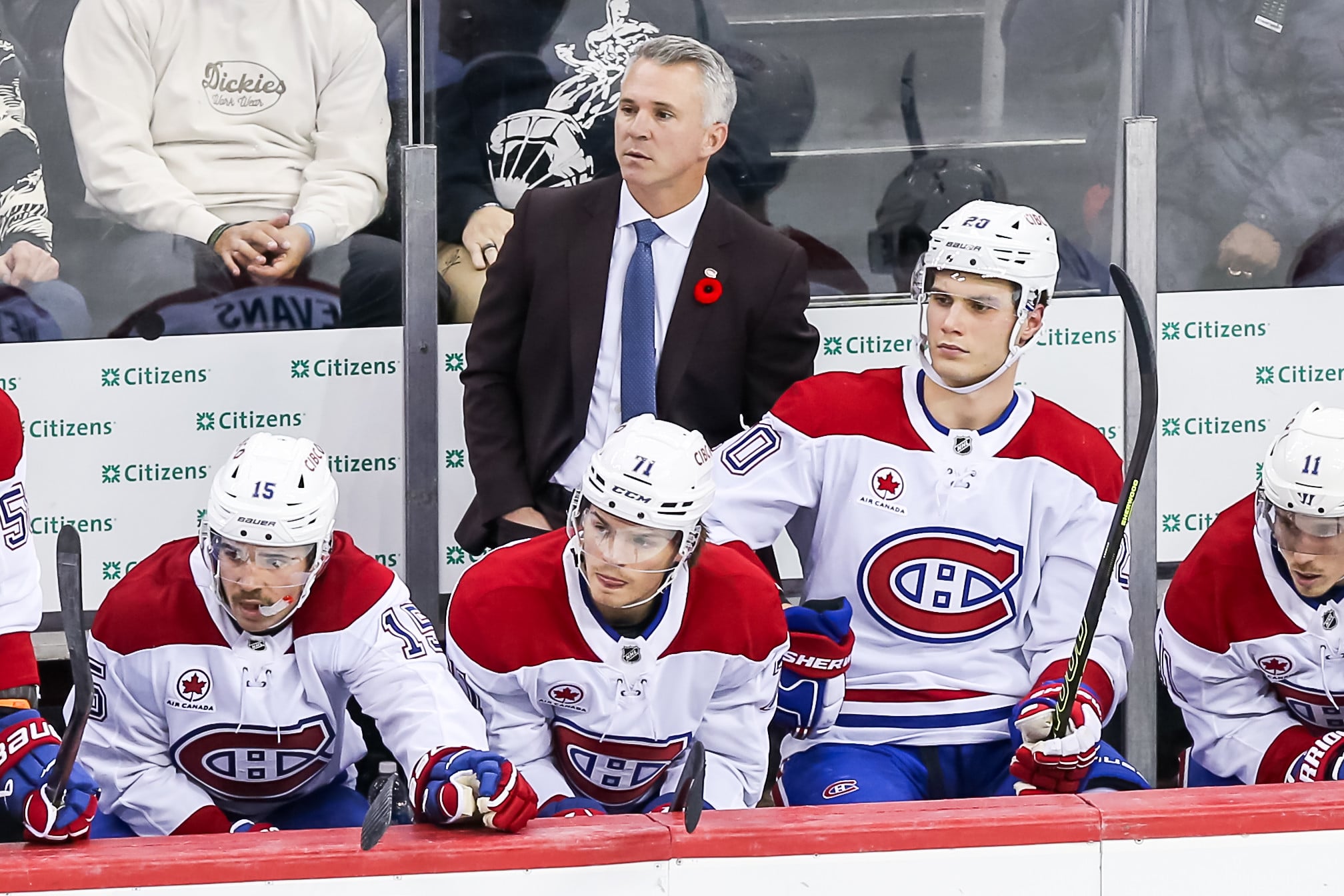
The debate surrounding Martin St. Louis and the Jack Adams Award ultimately comes down to what you value more: a narrative-driven, overachieving turnaround or established, veteran excellence. Following a third-place finish in the Atlantic Division and a thrilling run to the Eastern Conference Final, the Montreal Canadiens’ bench boss found himself in elite territory, finishing fifth in voting for the NHL’s coach of the year award.
St. Louis’ regular-season resume sparked plenty of conversation, pitting a masterful developmental blueprint against the league’s established heavyweights. Although he didn’t win, this season firmly cemented his reputation as one of the game’s brightest tactical minds.
Why St. Louis Wasn’t Nominated for the Jack Adams
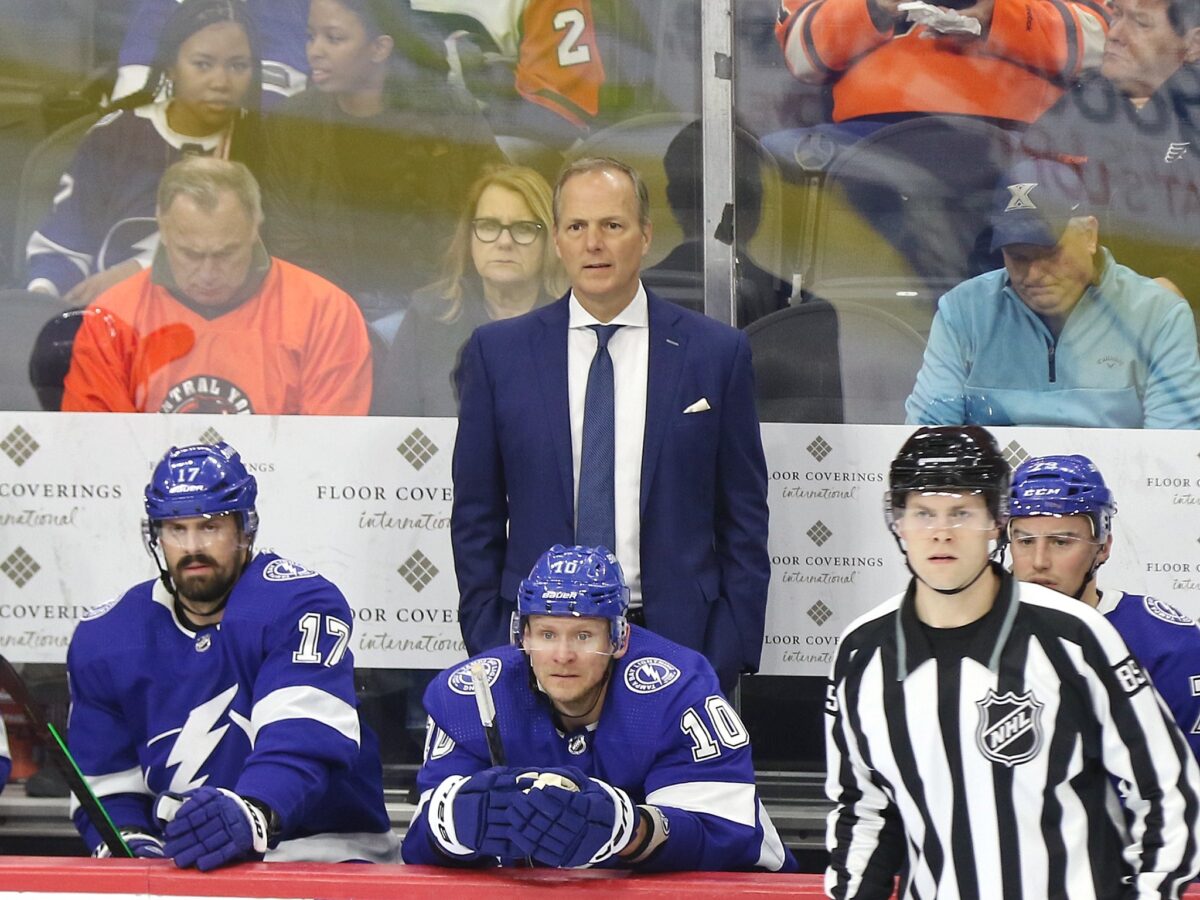
When it came down to the Jack Adams voting, the regular-season numbers game worked against him. Moving the needle from a 91-point team to a 106-point powerhouse is a hell of an achievement, yet the NHL Broadcasters’ Association fell for the sexier, headline-grabbing stories. Lindy Ruff finally broke the Buffalo Sabres’ historic playoff drought, while Jon Cooper steered an injury-plagued Tampa Bay Lightning squad to a 50-win season.
St. Louis gave Montreal an impressive 15-point bump and notably tightened their defensive metrics, shaving their goals-against average down from 3.18 to 3.06 goals against per game. Yet, the team lacked that singular, explosive regular-season milestone needed to vault him into the top three. There’s no doubt Cooper is long overdue for an Adams, but you could easily argue this was a lifetime achievement award based on reputation and tenure.
Beyond the standings, voters also locked onto the micro-flaws that still linger with the evolving, young Montreal group. There were stretches during the long winter grind when St. Louis’s rigid adherence to his hybrid defensive zone coverage drew valid criticism, as did his occasional hesitation to chase matching lines on the road.
The analytics crowd will also tell you that the Canadiens’ success was a bit top-heavy, relying on their top two offensive lines to carry the five-on-five scoring burden while the bottom-six depth found its footing. It’s all part of the process for a rebuilding team, but those tactical vulnerabilities gave broadcasters just enough reason to lean toward the more balanced, dominant statistical profiles of St. Louis’ peers this time around.
Why St. Louis Should Have Won the Jack Adams
But if you look at the coaching task at hand, an objective argument can be made that St. Louis deserved the Jack Adams Award for doing the ultimate job: maximizing an inexperienced roster well beyond its value on paper. St. Louis boasts exceptional hockey intelligence, an encyclopedic knowledge of the game, and a highly analytical mind, which is likely why Sportsnet’s Eric Engels called him “hockey’s Aristotle” a year ago on Spittin’ Chicklets.
In simple terms, he overachieved with the NHL’s second-youngest roster. He guided them from a 40-win season to a triple-digit point total while leaning on rookies like Ivan Demidov and second-year blueliners like Lane Hutson in high-leverage situations. Extracting elite, disciplined performances from his youngest players across a gruelling schedule packed with back-to-backs is arguably the hardest feat in coaching.
Under St. Louis’s mentorship, the young core didn’t just grow – they exploded. Nick Suzuki’s 101-point, Selke-winning season and Cole Caufield’s 51-goal, Lady Byng campaign are proof of his impact. Rather than stifling creativity with a rigid, veteran-first system, his modern coaching philosophy enabled Montreal’s top two lines to become high-octane offensive forces.
Because he played for so many years and faced similar challenges in nearly every imaginable role, St. Louis connects with his players on a deeper level; they buy in because they know he understands their point of view. That fierce, resilient culture allowed a young locker room to withstand mid-season slumps and high-pressure environments. While award voting strictly evaluates the regular season, the culture St. Louis built over the season was the defining factor in Montreal winning two brutal Game 7s on the road in the playoffs.
At the end of the day, the hardware went to Cooper, but the culture St. Louis is building in Montreal is worth more than any individual award. By fostering a locker room where young stars didn’t just survive but legitimately thrived, he boosted the Canadiens’ competitive timeline into overdrive. The broadcasters may have favoured others this time around, but St. Louis proved that his modern, player-first philosophy has the Canadiens set up for sustainable, long-term success.
Free Newsletter
Get Montreal Canadiens coverage delivered to your inbox
In-depth analysis, breaking news, and insider takes – free.
Subscribe Free →