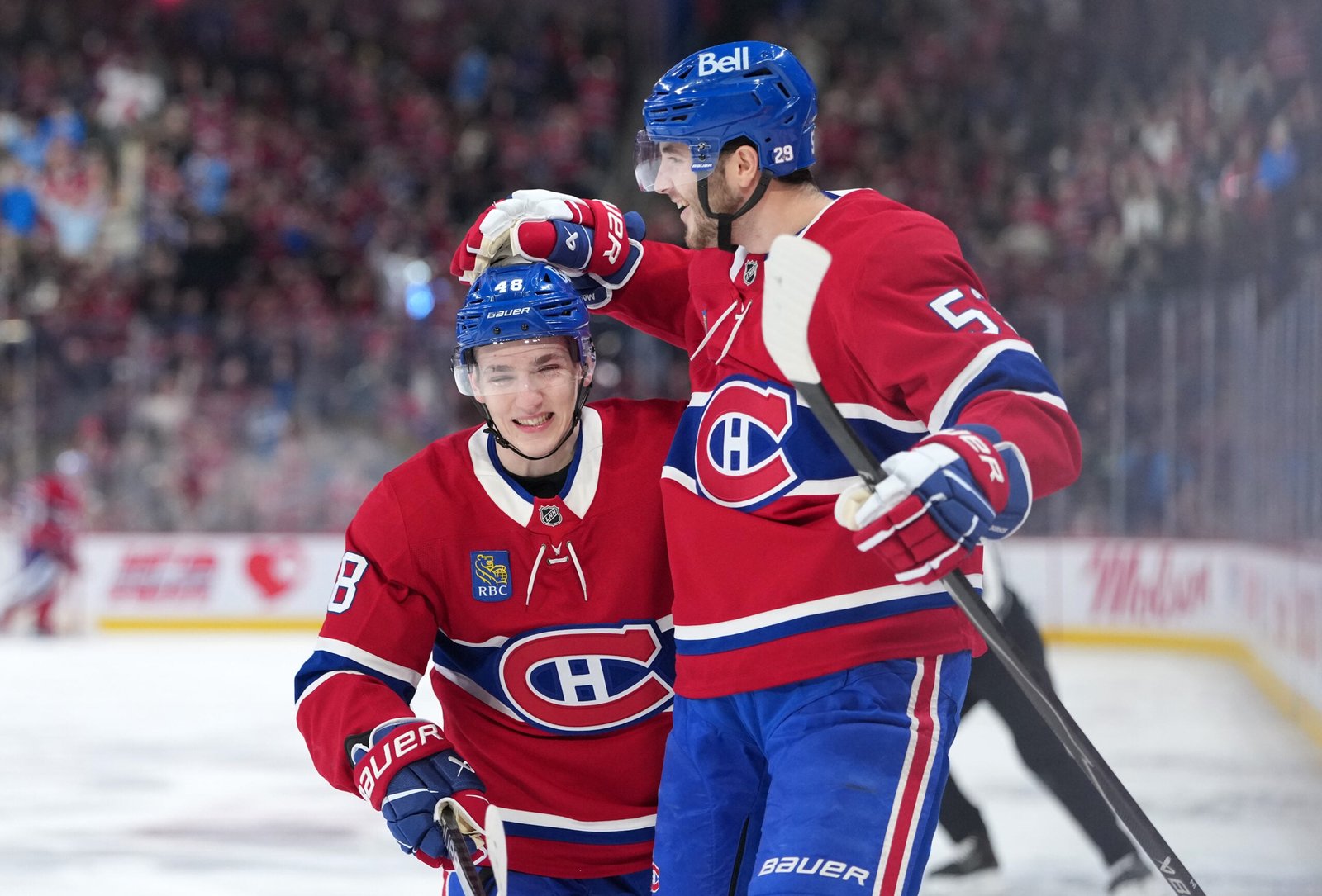
When general manager (GM) Kent Hughes and president of hockey operations Jeff Gorton stepped up to the microphones to conduct their summer exit interviews, there was a distinct energy hanging in the air. The narrative wasn’t about “learning how to win” or “establishing culture.” It wasn’t about moral victories after dropping a tight one in mid-January, either. Those days are officially in the rear-view mirror.
Following a 2025–26 campaign in which head coach Martin St. Louis’ group proved earning a postseason berth was not a flash in the pan, the 2026–27 Montreal Canadiens walk into training camp with a new reality. Expectations have arrived in full force, and with them comes the relentless pressure of taking the next tangible step in a hyper-competitive Eastern Conference hierarchy.
Last season, the Canadiens earned 106 points, yet with all teams in the Atlantic Division making major offseason moves, the odds that Montreal will repeat their success are stacked against them.
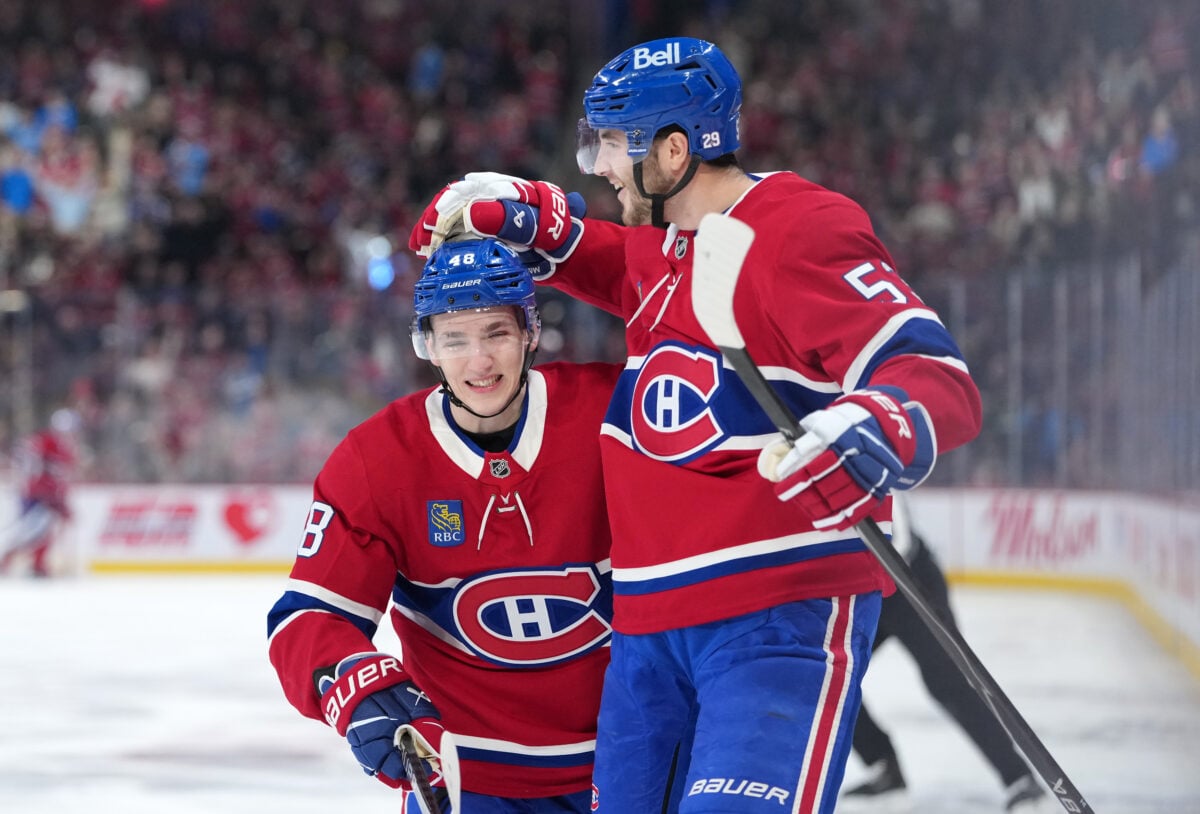
While the sports radio airwaves and social media posts gravitate toward the club’s flashy, high-octane forward group, anyone who has covered the league long enough knows the ultimate trajectory of this build won’t be settled solely up front. It also depends on the back end. From game-breaking power-play orchestrators to gritty bottom-pair survival battles, the structural health of Montreal’s defence will dictate whether the team remains a feel-good story or becomes a genuine contender.
The Elite Pillars: Dynamic Creation and Heavy Minutes
To understand the modern identity Hughes and Gorton are moulding in Montreal, look no further than the dynamic blue-line punch occupying the top of the depth chart. Few developments over the last half-decade have reconfigured the franchise’s long-term ceiling quite like the rapid ascension of Lane Hutson.
Coming off a rookie campaign that left league forecasters scratching their heads and opposing pro scouts scrambling for answers, Hutson didn’t just transition into a full-time NHLer; he turned into an indispensable offensive engine.
His jaw-dropping edge work, his uncanny ability to walk the blue line while manipulating structural gaps, and a rare, innate spatial awareness give St. Louis a true power-play conductor. But as we head into 2026–27, the mandate for Hutson has evolved. It’s no longer just about generating individual highlight-reel entries or sliding feather-pass feeds across the seam.
The 21-year-old finished third on the team with 78 points (including 20 on the power play) and second in assists (66). The real test will be to continue driving play at five-on-five against heavily motivated, top-tier shutdown units without being physically overwhelmed in his own end. He showed he can do that in his sophomore season. After all, he is no stranger to playing top-pairing minutes, finishing second on the team in average ice time (23:46) last season and fourth in blocked shots (137).
Opposite Hutson’s lateral flair sits Noah Dobson, who provides the Canadiens with a formidable, elite top-four right-shot blueliner. Dobson brings essential structural balance: a heavy, rangy frame capable of breaking up extended zone time from the opposition, seamlessly paired with fluent transitional passing and a heavy point shot.
Whether St. Louis chooses to load them up together or split them across two units, Hutson and Dobson represent the gold standard of the modern NHL defensemen – players who spend minimal time defending in their own zone simply because the puck moves up ice as soon as it touches their sticks.
Serving as the primary shutdown anchor, Kaiden Guhle could elevate Montreal’s top four by absorbing heavy defensive-zone starts and winning physical wall battles against opposing top lines. His elite mobility, gap control, and rugged interior defence provide a vital safety net that frees up puck-moving partners like Hutson or Dobson to spearhead the attack – that is, if he isn’t used as trade bait to land a star top-six forward.
Then there is “the veteran”, Mike Matheson. As the young core absorbs more of the spotlight, the 32-year-old alternate captain remains the essential bridge stabilizing the Canadiens’ top four. Capable of effortlessly logging 24-plus minutes a night in any scenario, Matheson’s elite skating ability allows him to erase defensive-zone hiccups and absorb defensive-zone start assignments against heavy forechecking teams.
While his role on the first power-play unit has already shifted to Hutson and at times even Dobson, Matheson’s transition defence, penalty-killing mileage, and veteran poise remain vital for a young group learning to navigate escalating pressure.
The Third-Pair Snarl: Struble vs. Xhekaj vs Carrier
While the top four minutes are largely carved out, the bottom pair is where the real drama will unfold during training camp. It isn’t about power-play time; it’s about identity, physical leverage, and mistake-free execution. That sets the stage for a compelling, head-to-head battle between Jayden Struble and the still-unsigned restricted free agent (RFA) Arber Xhekaj.
Struble offers St. Louis a quiet, highly reliable option. He excels at suffocating rushes at the blue line, using his strong upper-body frame and a clean, crisp first pass. He rarely plays himself out of position, making him the exact type of low-event, high-predictability defender coaches adore when trying to close out tight games.
Xhekaj, on the other hand, brings an element no other blueliner on the roster can replicate: pure physical deterrence and raw emotional energy. “The Sheriff” prevents opponents from taking liberties with Montreal’s skilled core. However, his success in 2026–27 hinges on suppressing high-risk pinches, processing the game half a second faster, and staying out of the penalty box when momentum hangs in the balance.
With veteran Alexandre Carrier providing steady, versatile, right-shot depth capable of sliding anywhere in the bottom four, St. Louis has the luxury of tailoring his third pair to specific matchup demands, leveraging Struble’s mobility against fast transition teams or leaning on Xhekaj’s toughness against heavy, cycling opponents.
Deployment Tactics: Finding Top-Four Symmetry
Finding the right tactical chemistry among the top four will be one of St. Louis’ primary coaching challenges throughout camp.
The Balanced Modern Blueprint
Pairing 1: Lane Hutson – Noah Dobson
Pairing 2: Kaiden Guhle – Mike Matheson (Alexandre Carrier rotating/floating)
This configuration pairs high-end offensive instinct with structural responsibility. Dobson’s reach and positional awareness cover Hutson’s aggressive pinches, while Guhle and Matheson form a hard-nosed, matchup-proof shutdown unit that eats heavy defensive zone starts. The drawback? It concentrates elite puck movement onto one super-pair, leaving fewer offensive touches for the secondary unit.
Dual High-Octane Attack (Spread the Skill)
Pairing 1: Mike Matheson – Noah Dobson
Pairing 2: Lane Hutson – Kaiden Guhle
This was what St. Louis relied on often last season. By spreading the wealth, he ensures a continuous 40-minute wave of transition offence. Matheson and Dobson play at a frantic pace that pushes back forechecks, while Guhle’s physical presence provides a safety net for Hutson’s creativity. The risk comes if Matheson or Hutson misread a pinch, leaving their partners stranded in odd-man rushes.
The Wild Card: David Reinbacher
The single biggest variable heading into camp is top prospect David Reinbacher. Drafted fifth overall in 2023, Reinbacher’s blend of size, mobility, right-shot leverage, and high hockey IQ presents Hughes and Gorton with an enviable dilemma.
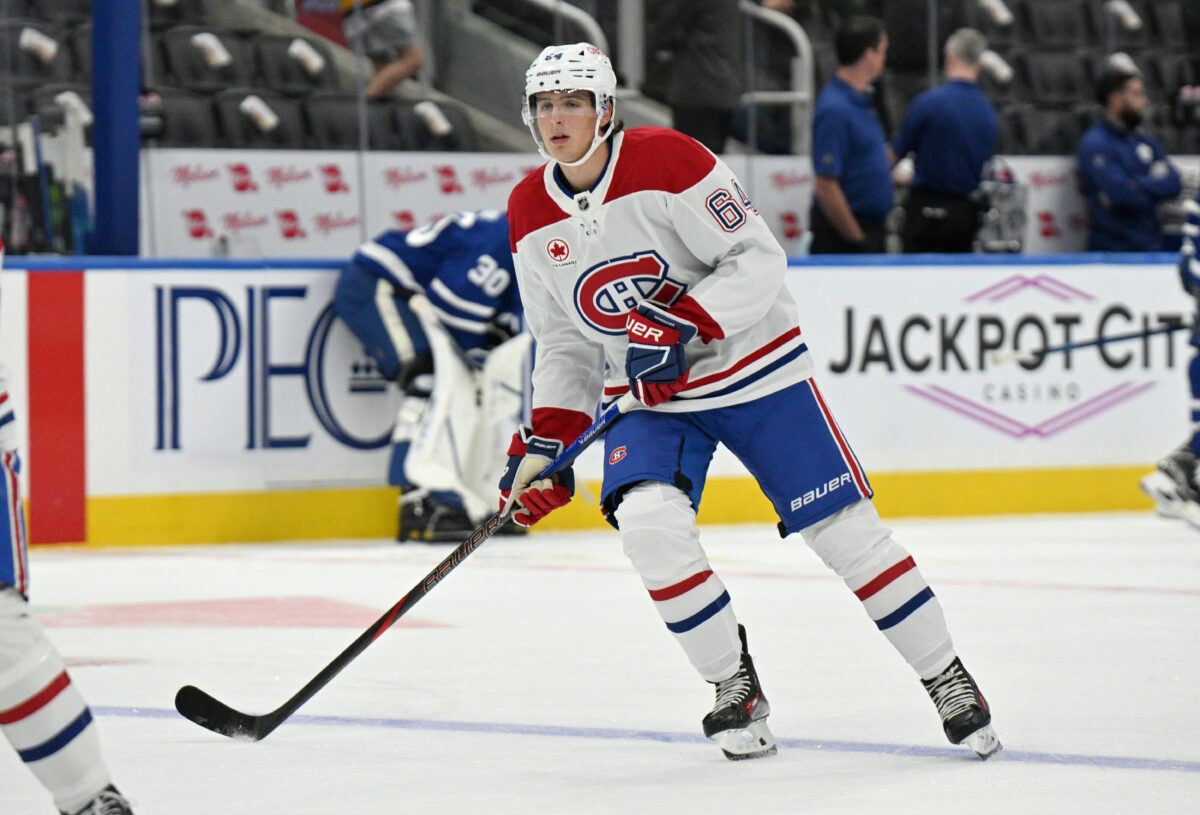
If Reinbacher forces his way onto the opening-night roster, it would trigger an immediate ripple effect. His presence would help establish a balanced right side alongside Dobson and Carrier, effectively insulating veteran workload across the blue line. However, forcing his way into a regular role creates an inevitable roster logjam that would push a capable NHL defenseman (albeit a left-handed one) to the press box.
This could provide Hughes with an opportunity to work the phones to fill other needs using the depth of left-handed defenders on hand. Crucially, management has no interest in keeping their prized prospect around as a seventh blue-line passenger, meaning if Reinbacher remains in Montreal, it will be because he has earned the opportunity to play 15 or more minutes per night in a playoff-push environment.
The narrative around the franchise has flipped. Montreal is no longer just a young team riding a wave of low expectations; they are a credibly more experienced group, stepping into the bright lights of accountability.
With Hutson and Dobson powering elite puck movement, Matheson anchoring veteran stability, and a fierce internal battle defining the bottom pair, the Canadiens possess the depth and versatility to make real noise in 2026-27. If young players like Reinbacher hit their stride, Montreal’s defence won’t just handle rising expectations; it will solidify them as a permanent contender in the East.
Free Newsletter
Get Montreal Canadiens coverage delivered to your inbox
In-depth analysis, breaking news, and insider takes – free.
Subscribe Free →