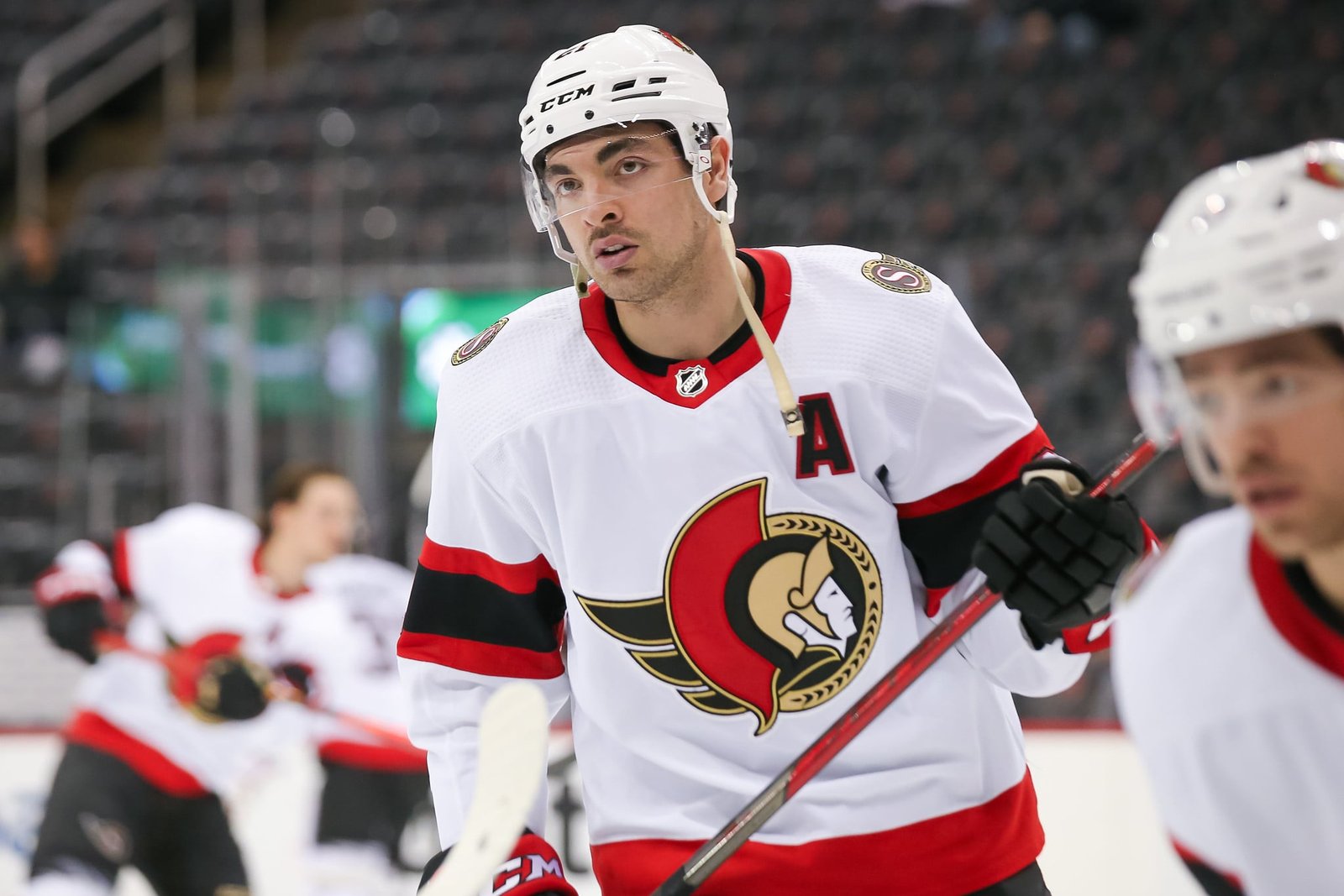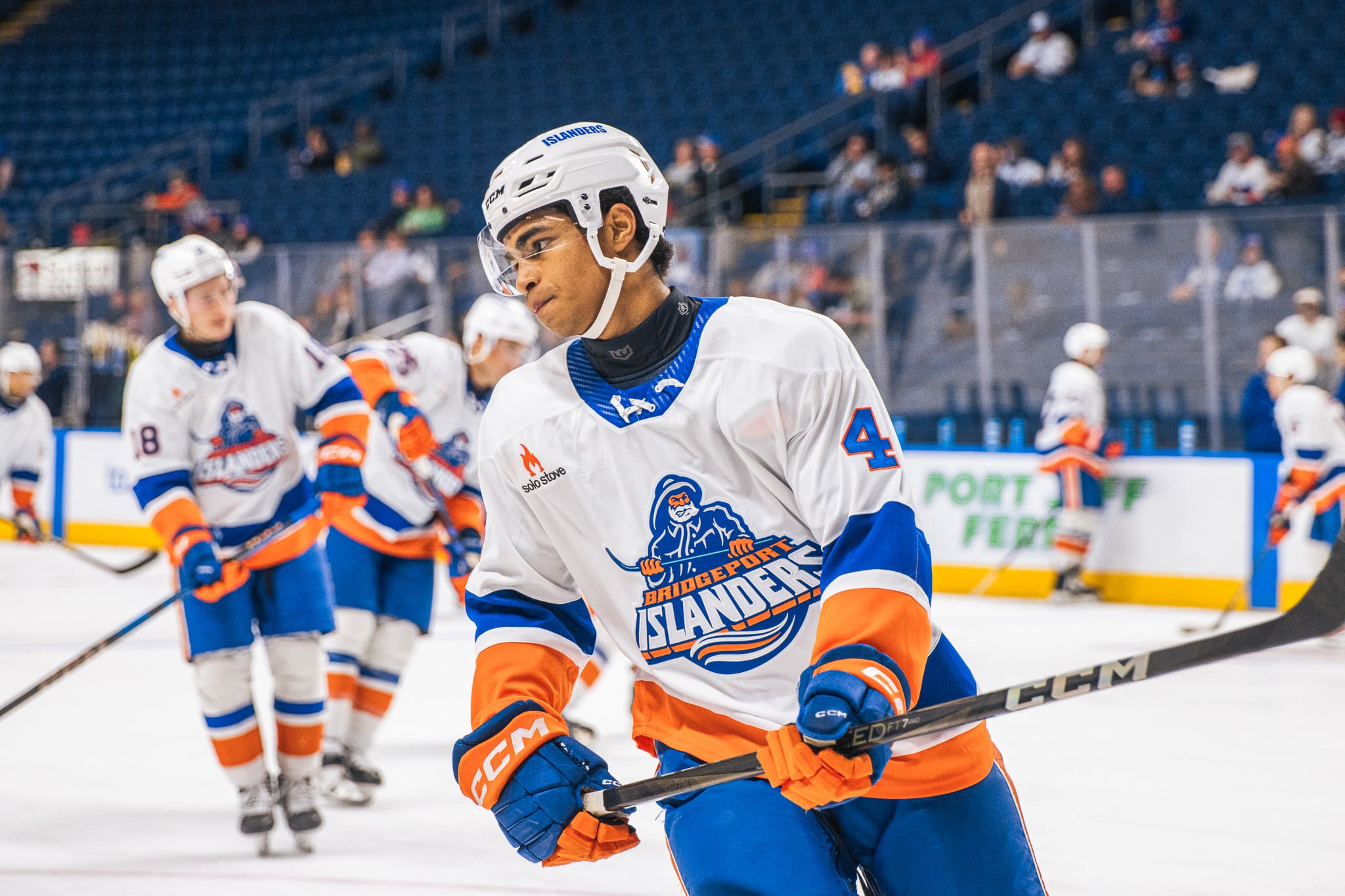
The Pittsburgh Penguins and New York Islanders have the ingredients for a smart trade discussion, even if there is no indication the Metropolitan Division rivals have started one. The Penguins need more certainty on their left-side defense. New York has Matthew Schaefer, Adam Pelech and Alexander Romanov playing prominent roles on that side, leaving 22-year-old defenseman Isaiah George competing for a permanent NHL opportunity.
The possible Penguins-Islanders trade match included George as a potential target for general manager Kyle Dubas. His age, skating ability, affordable contract and limited NHL opportunity until now fit Pittsburgh’s recent strategy of acquiring young players who need clearer roles with new organizations.
George would be worth pursuing if the Islanders are willing to move him. The Penguins should not, however, sacrifice one of their best forward prospects to fill a position of need with another unproven player.
George Fits Pittsburgh’s Defensive Need
The Penguins have several left-shot defensemen, but the group still lacks a convincing long-term structure beyond Samuel Girard. Ryan Graves remains under contract after spending some time with the team’s American Hockey League affiliate, Wilkes-Barre/Scranton Penguins, last season. Declan Carlile provides another depth option, while Owen Pickering must prove he can take the next step from promising prospect to dependable NHL blueliner.
Pittsburgh has options without certainty. The organization’s 2025-26 opening-night roster review identified the left side as a priority for improvement, but another season of movement has not completely solved the issue. The previous examination of the Penguins’ left-side defensive problem showed why collecting available defensemen does not automatically create a balanced group. Pittsburgh needs players who can skate, retrieve pucks and move up with possession rather than relying on temporary pairings and expensive veterans.
George checks several of those boxes. The Islanders list him at 6-foot-1 and 203 pounds, and his smooth skating has remained one of the strongest elements of his game since the Islanders selected him 98th overall in 2022.
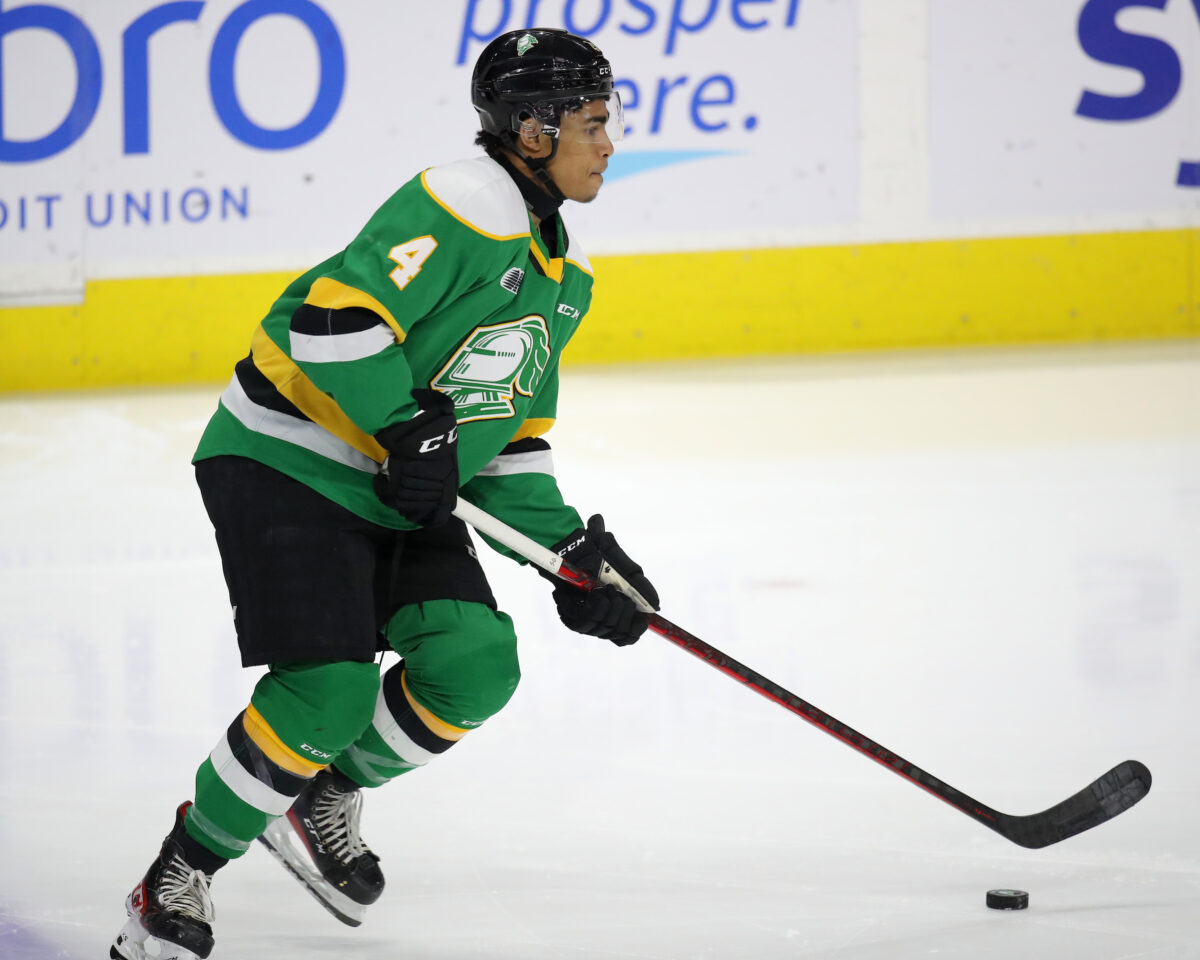
His mobility allows him to close space defensively, recover when possession changes and transport the puck without depending entirely on low-percentage clearing attempts. That profile would give the Penguins another young option capable of competing immediately with room for development.
George Has Already Handled NHL Minutes
George would not arrive as a typical prospect without professional experience. He played 33 games for the Islanders during the 2024-25 season, recording one goal and five points while averaging 15:39 of ice time. Injuries and New York’s defensive depth limited him to four NHL games last season, but he continued developing with the AHL’s Bridgeport Islanders.
George recorded 18 points in 47 games and became one of Bridgeport’s more trusted defensemen during the second half of the season. The Islanders’ latest George evaluation detailed the adversity he faced early in the year and the improvement that followed as he regained confidence and responsibility.
That professional experience separates George from most young defensemen potentially available through trade. Pittsburgh would not be asking him to jump directly from junior hockey or college into an NHL lineup. He already understands the league’s pace, travel schedule and physical demands.
The Penguins would still have to evaluate whether George can perform consistently enough to hold a full-time role. His 37 NHL appearances prove he can survive at that level, but they do not establish him as a proven top-four defenseman. That distinction will influence the trade price. George carries more immediate value than a distant prospect, but Pittsburgh would still be acquiring upside rather than certainty.
Islanders Are Not Being Forced to Trade George
The Islanders’ depth chart makes George seem available, but the Penguins should not assume they are actively shopping him. Schaefer immediately established himself as the most important young player on their blue line. Pelech and Romanov provide experienced options behind him, creating a difficult path for another left-shot defenseman.
However, the Islanders could still create space by playing someone on their off-side or using George as the seventh defenseman. Injuries are also inevitable across an 84-game schedule, making an affordable young defender valuable even when he does not begin the season inside the top six.
General manager Mathieu Darche has publicly stated that George will receive every opportunity to make the team. The Islanders’ roster outlook also identified him as one of the young players who could earn a position out of training camp, and his waiver status gives the team additional flexibility.
New York can assign him to their AHL affiliate (now called the Hamilton Hammers) without exposing him to the waiver wire, keeping him under team control as he continues his development if he does not make the opening-night lineup. That flexibility strengthens New York’s negotiating position. The organization does not need to move him to solve a salary-cap problem, and they can wait until training camp provides a clearer picture of their defensive group.
Pittsburgh should therefore view George as a possible opportunity rather than an inevitable trade candidate. The Penguins can call, determine what New York wants and explain why their lineup could provide a larger role, but they are not desperate to add him.
George’s Contract Makes the Gamble Appealing
George is entering the final season of his entry-level contract with an $863,333 cap hit. He is scheduled to become a restricted free agent after 2026-27. That gives the Penguins a full season to evaluate him before considering a larger financial commitment.
George could compete with Graves, Pickering and Carlile during training camp, receive NHL minutes if he earns them and join the Wilkes-Barre/Scranton Penguins without requiring waivers if he needs more development. The financial risk is minimal. The Penguins could fit George into the lineup without sacrificing the cap flexibility Dubas has protected for future seasons, and restricted free agency would allow them to retain control if he shows progress.
His age also aligns with Pittsburgh’s changing timeline. George will not turn 23 until February, making him young enough to contribute long after the current veteran defensemen have moved on or retired. Dubas has repeatedly targeted players with similar profiles. Egor Chinakhov, Hendrix Lapierre and Nick Robertson arrived with NHL experience but lacked settled long-term roles with their previous organizations. Pittsburgh was willing to bet that greater opportunity could help each player become more valuable.
George would represent the defensive version of that approach. The Penguins would not be purchasing a finished product. They would be betting that his skating and professional experience could become more meaningful within a less crowded depth chart.
Koivunen and McGroarty Are Too Valuable
PensBurgh identified Tristan Broz, Ville Koivunen and Rutger McGroarty as young Pittsburgh forwards who could entice the Islanders into a trade, given they are lacking comparable forward depth. New York would be justified in asking about Koivunen or McGroarty. Pittsburgh should reject either proposal.
George is an appealing target, but he played only four games for the Islanders last season and could begin 2026-27 in the AHL. Trading Koivunen or McGroarty would require the Penguins to value George according to his best possible projection before he has proven he can reach it. They would also be addressing one organizational weakness by creating another.
Koivunen remains one of the Penguins’ most productive young forwards despite questions about how his game will translate into a permanent NHL role. His vision, passing ability and AHL production give him a chance to become a useful top-nine player. The Penguins need a real plan for Koivunen, not another trade that removes a potential scorer before he receives a sustained opportunity.

McGroarty offers a different type of value through his size, physicality and net-front style. Pittsburgh’s forward group needs more young players capable of growing into meaningful roles, making either prospect too significant to exchange for a defenseman carrying similar uncertainty.
Broz would be a more reasonable discussion depending on how the Islanders evaluate him, but Pittsburgh should still avoid adding a significant draft pick or another notable prospect merely to close the deal.
Penguins Must Establish a Firm Price
A reasonable acquisition cost should reflect both George’s potential and what remains unproven. Pittsburgh could justify moving a mid-round pick, a secondary prospect or a replaceable roster player if New York becomes motivated to clear its defensive logjam.
George’s age, contract and professional experience make him more valuable than a routine depth defenseman, but his limited experience prevents him from carrying the price of an established top-four option.
The Penguins must also leave room for their own defensemen to develop. Pickering, Harrison Brunicke, Tomas Galvas and Jake Livanavage represent different possible solutions within the organization. George would strengthen that group, but management should not behave as though he is the only young defenseman capable of improving the left side.
That restraint aligns with the prospects Dubas should protect. Pittsburgh spent several years rebuilding its pipeline and will not begin removing its best pieces for every intriguing young player who becomes loosely connected to the team.
George is a logical target because he fills a need, remains affordable and could grow with the changing roster. His skating would provide another transition option, while his NHL experience gives him a chance to help sooner than most prospects.
The Islanders may decide that keeping him as injury protection and allowing him to compete during training camp carries more value than anything Pittsburgh is prepared to offer. The Penguins should still make the call, but they must be prepared to walk away.
George fits Dubas’ strategy and depth chart, but a sensible target becomes a poor acquisition when the price exceeds the player’s demonstrated value. The Penguins need another young left-shot defenseman, but they do not need one badly enough to sacrifice Koivunen or McGroarty.
Free Newsletter
Get Pittsburgh Penguins coverage delivered to your inbox
In-depth analysis, breaking news, and insider takes – free.
Subscribe Free →