We are now under two weeks away from the Toronto Maple Leafs being on the clock with the first-overall pick of the 2026 NHL Draft. With that, it’s time to release our annual “Do Not Draft” list.
In case this is your first time visiting this space, first off, welcome. We’re glad to have you. But second off, it’s important that we clarify what this “Do Not Draft” list is all about.
The prospects you will see on this list not only will be drafted, but also drafted among the first few names of the draft. We say this is a “Do Not Draft” list because we are going to tell you why we wouldn’t draft them in a certain spot or range.
The point of this exercise is to give you insight into some of the tough decisions teams that own these picks have. They have to decide which player they want for their organization for the next decade plus. Just because several draft rankings have a certain player in a spot doesn’t mean teams follow those lists.
While the players we list all have upside, they have significant questions too. Without further ado, let’s unveil our 2026 “Do Not Draft” list. We begin straight at the top.
2026 NHL “Do Not Draft” List
Gavin McKenna: Do Not Draft First Overall
The Toronto Maple Leafs won the draft lottery and the right to pick first overall in Buffalo. While we reported at the Combine that it would be shocking to see them draft anyone but McKenna, he makes the “Do Not Draft” list because I have two players ranked ahead of him. Those being Ivar Stenberg and Chase Reid.
McKenna did everything right at the Combine. He interviewed well. He crushed the physical testing. With reports that John Chayka went to McKenna’s hometown to pay a visit, it’s easy to see a scenario in which the Maple Leafs do take him first overall. It would be a reasonable pick if so.
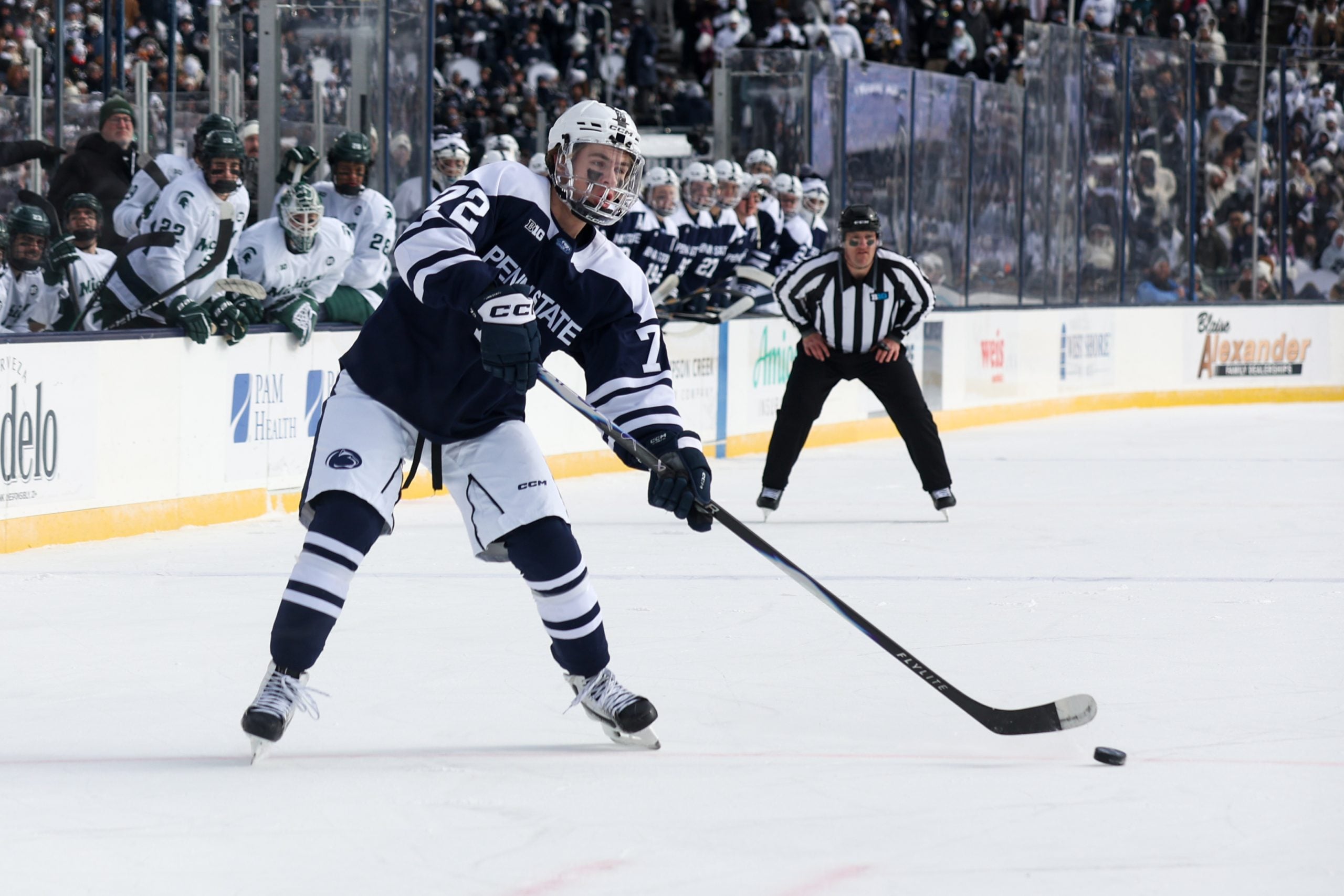
However, McKenna does have significant questions that warrant a discussion. He weighed in at 170 pounds at the Combine. And while he is in great shape, he would be giving up a lot of weight to bigger and more experienced players. How much and how long of an adjustment will that be?
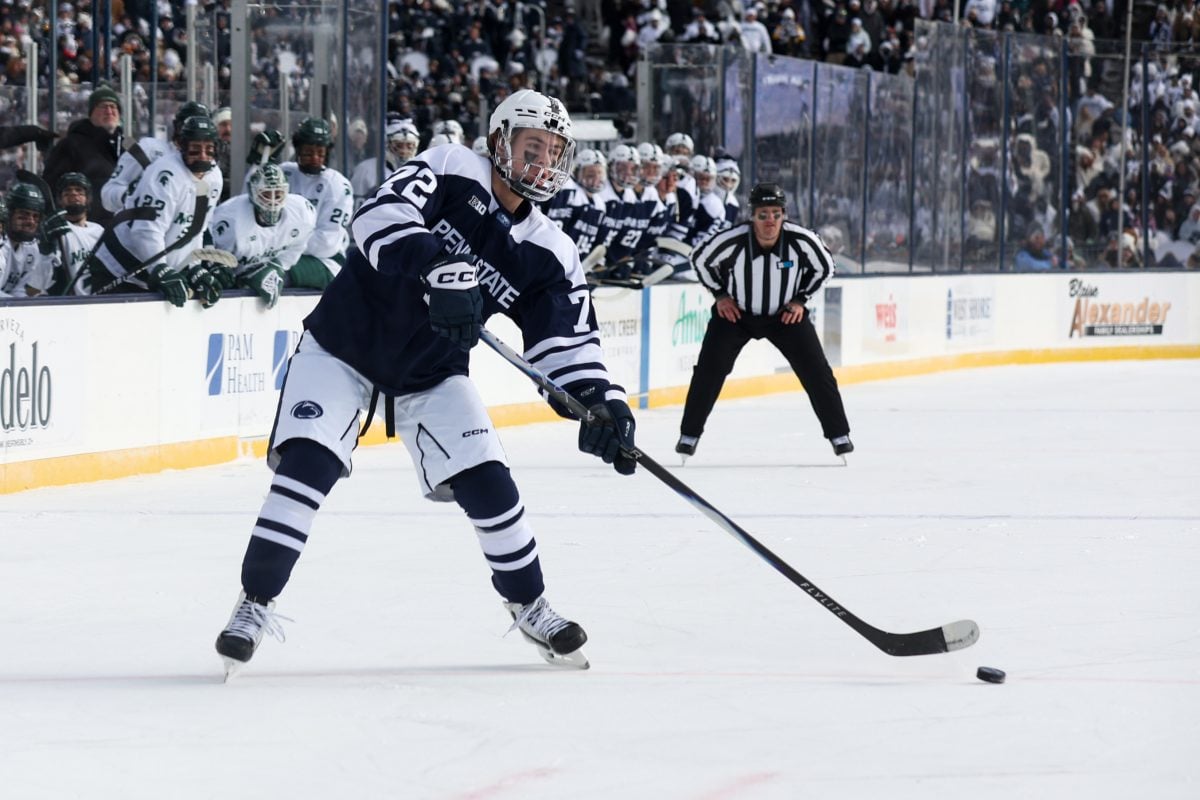
Also, some in the scouting world have questioned if McKenna is too reliant on the outside. NHL teams will be able to better defend him if that’s his approach. Can he get inside and make things happen?
Another point that has been debated is what McKenna’s true upside is. If he’s the next Mitch Marner who will consistently put up massive numbers, then it’s a no brainer. But not everyone is convinced McKenna would reach that kind of production.
The Maple Leafs will have to decide if McKenna is their best option over Stenberg or any of the top defensemen especially given they want to return to the playoffs as quickly as possible. With lingering questions about his true upside and if he has the speed and compete that would be expected of a number-one pick, there is a real possibility McKenna isn’t the best player available. In that sense, his early career will be fascinating to watch.
Caleb Malhotra: Do Not Draft in the Top-5
It’s not often the consensus best available center makes this list. But it points to a couple different things that make an already fascinating draft even more interesting.
We’re going to ask the same question with Malhotra as we did with McKenna. What is his true upside? His OHL season was outstanding. While no one can question that production, folks are questioning what the production will look like in the NHL? Then is it enough to warrant top-five consideration?
On tape, Malhotra is a 200-foot center that can impact both ends of the ice. He is going to be a useful player for a long time. The question here is will his production warrant a top-five selection or will his career be made more as a shutdown player?
The Vancouver Canucks are in the news given their potential interest in Caleb as they have hired his father Manny as their next head coach. The potential conflict of interest here could be a big deal to some within the organization.
If the Canucks believe Malhotra is the best player available in that spot, then great. We’re just not convinced that’s the case given the next-level production questions and the other top defensemen available. If his upside isn’t that of an elite, true number-one center, using the third pick on him is risky. What the Canucks do along with the San Jose Sharks will set the course for the 2026 NHL Draft.
Keaton Verhoeff: Do Not Draft in the Top-10
While many expect Verhoeff to hear his name not only within the top-10, but even in the top-five, there are enough significant questions surrounding his game that warrant discussion. It’s starts with skating.
Today’s game is all about speed and mobility. With that being one of the biggest questions in Verhoeff’s game, one must wonder if he’d be able to adjust to the pace of the NHL. How he would defend the NHL’s best skaters is a big question.
There is no question the physical tools he brings will translate. At 6-foot-4 and 215 pounds, he will be a force. However, he was once considered a candidate for number-one overall and has dropped not only due to the mobility questions, but also some of his decision making.
With several defensemen vying for positioning within the top-10, this illustrates the decision teams need to make among that top group to determine who would be the best available in that spot. Reid, Carson Carels, Dax Rudolph and Alberts Smits all have strong cases to be called before Verhoeff. I’d even argue someone like Malte Gustafsson has a case too.
The boom or bust potential is real with Verhoeff. Teams will value the size and tools he brings. But he will need to develop those other key areas of his game if he wants to show everyone why he was once considered among the very best available in this draft.
Ryan Lin: Do Not Draft in the Lottery (Top-16)
Here’s an example of a player in which where he lands on a team’s list will vary. Most likely have him as a mid first-round target. Others have him later on maybe even pushing second round.
That’s what makes Lin a risky pick within the top-16. Offense with him isn’t a question. But developing his overall game as an undersized defenseman is being questioned by some.
A big thing to consider with Lin is what his NHL role would look like. He already runs a power play. But will he be able to be a true number-one in the NHL? Or does he fall in line as more of a specialist role?
At the this point in the draft, it’s about team preference. It’s very possible a team who believes he will be a dynamic threat in the NHL takes him in the top-10. But those who question his size or defensive game will put him lower.
Lin’s skill makes him a first-round pick. But the questions position him to be later in the round to account for where he’s at in his development.
Ryan Roobroeck: Do Not Draft in the First Round
Roobroeck is arguably one of the draft’s most polarizing prospects. There’s one list that has him as a potential top-five pick. Then there are some who have him later in the second round. You don’t see that very often in draft rankings where the range is 5-60.
Roobroeck’s profile shows why that is the case. Teams love power forwards. He weighed in at the Combine at 6-foot-3 and 210 pounds. If he really leans into his potential, he could be a force.
But on the other side, there are significant questions that stand out. Would he be able to keep up with the pace of the NHL? Can he improve his play away from the puck with consistency and effort?
Scouts have noted Roobroeck’s engagement hasn’t always been strong. Is this something he can develop as he moves further along?
Then also in watching the tape, Roobroeck is a power forward but doesn’t play like a traditional one. He makes a lot of his plays on the outside. He’s left opportunities on the table to be a true, impactful power forward.
All things considered, Roobroeck has interesting upside if he reaches the level of an all situations power forward. But it’s noteworthy to see effort and pace questioned at this stage. That’s enough to drop him out of our first round.
What do you think? Which prospects would you not draft in a certain range? Let us know in the comments or leave a thought on X.
The 2026 NHL Draft has the chance to become memorable for many reasons. Among those reasons, lists of teams may look vastly different from each other especially from 15 on. In 12 days, we’ll know how teams truly felt about these top prospects.
Free Newsletter
Get NHL Entry Draft coverage delivered to your inbox
In-depth analysis, breaking news, and insider takes – free.
Subscribe Free →