The St. Louis Blues enter the 2026 NHL Draft in a rare position of control after acquiring the 16th overall pick from the Washington Capitals in the trade that sent Jordan Kyrou the other way. As part of the return, St. Louis also added Connor McMichael, a center, and Milton Gastrin, a left wing/center, giving the organization additional depth down the middle.
Even with those additions, the Blues still need more long-term center depth with higher offensive upside to build into their near-future core. That need becomes even more important given their multiple first-round selections at Nos. 11, 15, 16, and 29, which give them significant flexibility to reshape their prospect pool.
While McMichael and Gastrin help stabilize the system, St. Louis is expected to continue prioritizing high-upside prospects who can develop into top-six impact players. With several opportunities to address organizational needs, the No. 16 pick in particular offers a chance to either reinforce the middle of the ice or add elite skill elsewhere in the lineup.
Here are three players the Blues could consider with the No. 16 selection.
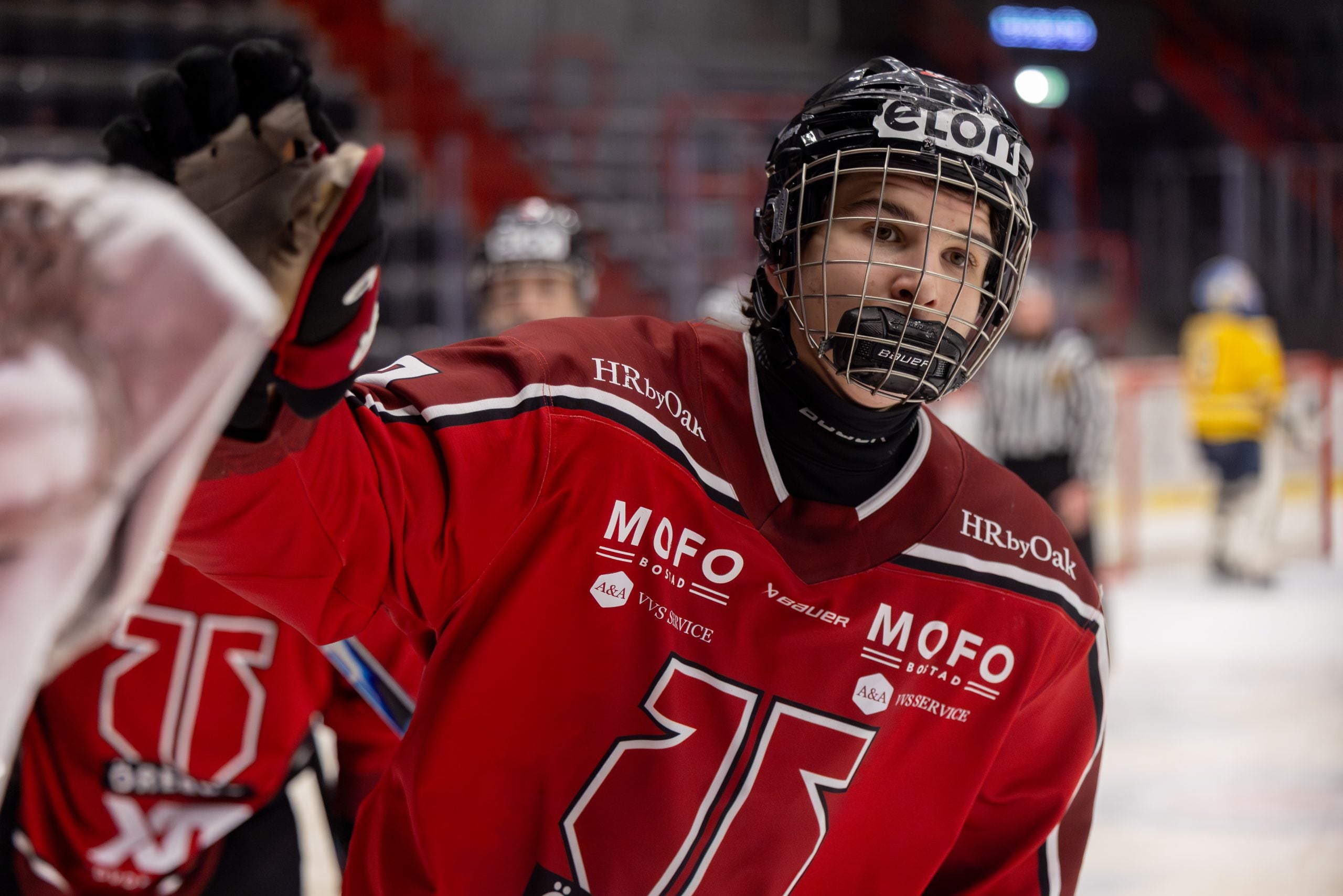
Alexander Command, C, Örebro (U20 Nationell)
One option for the Blues at No. 16 is Swedish center Alexander Command, a well-rounded forward who projects as a dependable middle-six NHL player. Command spent the season with Örebro’s J20 program in Sweden, producing 44 points (17 goals, 27 assists) in 30 games while finishing with a plus-10 rating.
Command stands out for its intelligent, structured style of play. He consistently supports the puck in all three zones, competes hard in battles along the boards, and processes the game at a high level. His ability to read plays allows him to stay ahead of pressure and make efficient decisions with the puck, both as a passer and occasional finisher.
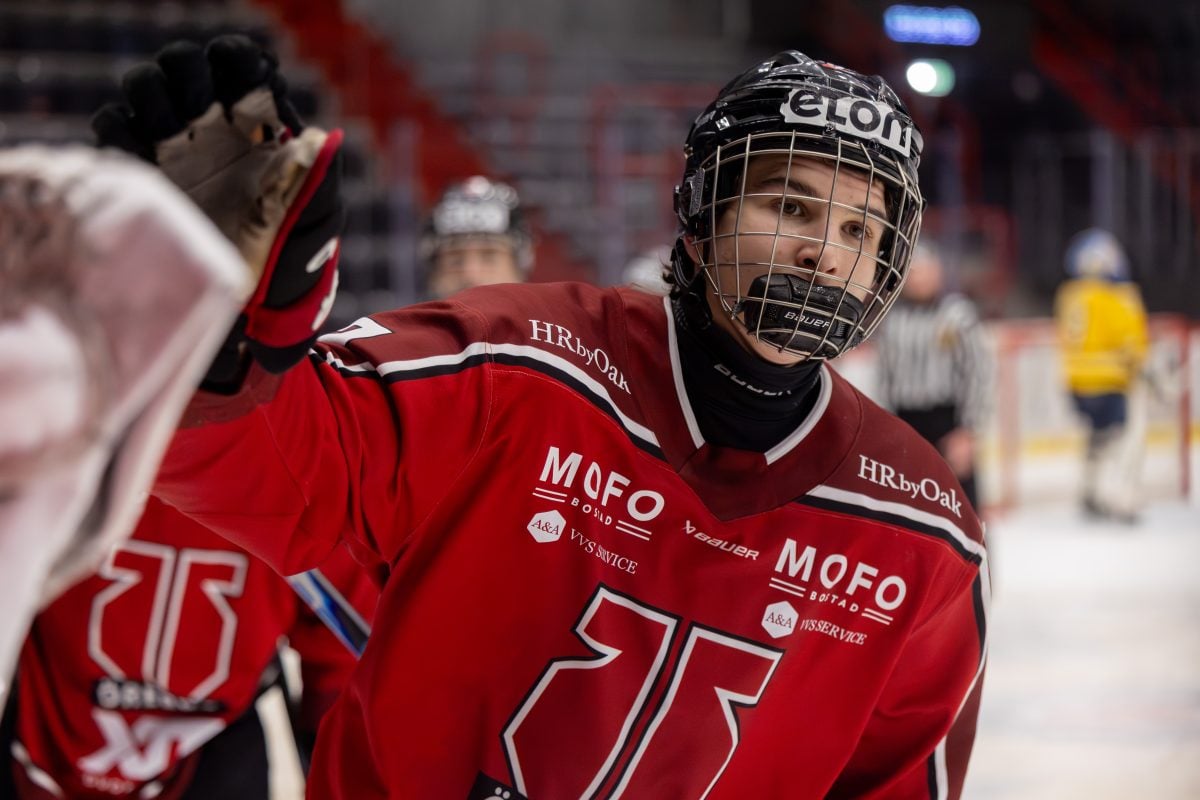
While he does not project as a high-end scoring center, his value comes from his reliability and versatility. Command can contribute in multiple situations, including penalty killing and defensive-zone matchups, making him the type of player coaches trust in important moments.
For St. Louis, he would represent a safe, steady option who fits a long-term need for depth and structure down the middle.
Maddox Dagenais, C, Quebec (QMJHL)
Another potential target is Quebec Remparts center Maddox Dagenais, a physically gifted forward who brings a blend of size, speed, and offensive upside. At 6-foot-4, Dagenais offers a power-forward profile that stands out in this draft class.
He finished the season in the Quebec Maritimes Junior Hockey League (QMJHL) with 62 points in 62 games, showing clear offensive growth as the year progressed. His production surged in the second half of the season, where he consistently created offense through strong skating, puck protection, and direct attacks to the net.
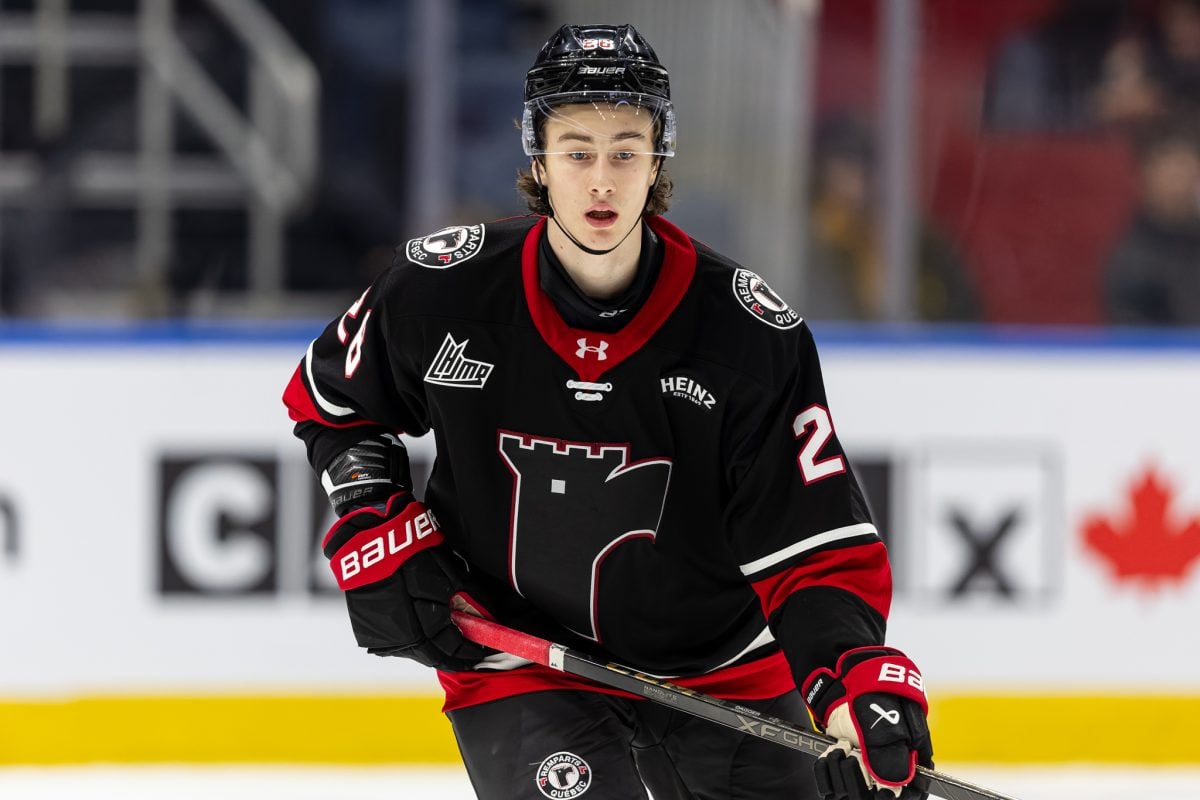
Dagenais is at his best when he is driving play. He generates speed quickly through the neutral zone, uses his frame effectively to shield the puck, and has a heavy shot that makes him a threat in scoring areas. His combination of size and mobility allows him to impact games in multiple ways, both off the rush and in cycle situations.
There is still development needed in terms of consistency and decision-making, but the upside is clear. If he reaches his ceiling, Dagenais has the tools to become a top-six power forward who can provide scoring and physical presence.
Ryan Lin, RHD, Vancouver (WHL)
Right-shot defenseman Ryan Lin is another strong option for the Blues at either No. 15 or No. 16, especially given the flexibility created by holding back-to-back picks. Lin brings a different profile as an offensive-minded defenseman who thrives in transition and on the power play.
He recorded 57 points in 53 games with the Vancouver Giants in the Western Hockey League (WHL), establishing himself as one of the more productive puck-moving defensemen in the draft class. His game is built around pace, quick decision-making, and constant involvement in the attack.
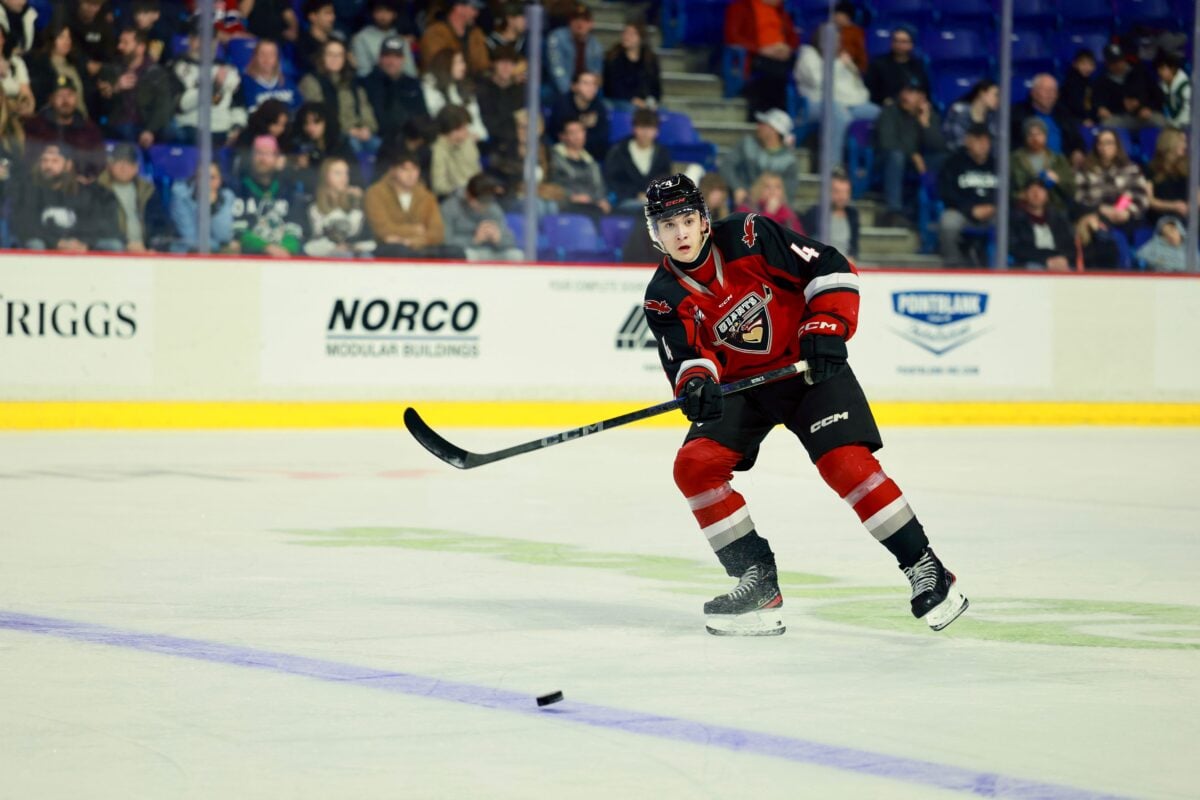
Lin excels at moving the puck up ice efficiently, whether through controlled zone exits or aggressive activation into the offensive zone. He processes the game quickly and rarely hesitates to push play forward, which helps create tempo and sustained pressure.
At 5-foot-11 and 176 pounds, Lin is not a physically dominant defender, and his defensive game will require continued refinement as he transitions to the University of Denver. However, his skating, vision, and offensive instincts give him strong long-term upside as a modern NHL blueliner.
Trade Up or Settle?
Beyond individual targets, the Blues’ draft position gives them significant flexibility. With four first-round selections, they can either stay patient and add multiple prospects across different positions or explore the trade market to move up the board.
Packaging picks could allow St. Louis to target higher-end talents such as Ivar Stenberg or Chase Reid if they identify a player worth consolidating assets for. Alternatively, keeping all four picks would deepen the organization’s pipeline and increase the chances of landing multiple NHL contributors.
Doug Armstrong made it clear the Blues are open for business following Tuesday’s trade, signaling that the organization is willing to explore all options with its draft capital.
“Everyone knows what we have. If they want to engage St. Louis at picks No. 1, 2, 3, or 4… they know what we have, and I would welcome the call,” Armstrong said in a conference call with the media.
The comment underscored St. Louis’ willingness to listen to any of its selections, as the team weighs whether to stay patient and draft multiple prospects or package assets to climb the board. Either approach would shape the next phase of the retool, with the Blues positioned to be one of the most active teams on draft day.
Free Newsletter
Get St Louis Blues coverage delivered to your inbox
In-depth analysis, breaking news, and insider takes – free.
Subscribe Free →