To put it simply, Pittsburgh Penguins general manager Kyle Dubas will have his hands full over the next few months. In the wake of a campaign that saw his team do the improbable and qualify for the postseason, this summer has now become even more important as it continues to search for the puzzle pieces needed to shape it into a legit contender.
A key step toward that goal will take place in Buffalo at the 2026 NHL Draft, when Dubas and his staff will use some of the draft picks they’ve spent the past few seasons gathering. But before and after the draft, negotiations with the Penguins’ lengthy list of unrestricted free agents will be ongoing. And despite the NHL’s salary cap increasing for the 2026-27 season, some hard choices will have to be made regarding who stays and who goes.
Dubas showed his commitment to a pair of younger players recently when he inked Connor Dewar and Ilya Solovyov to short-term, team-friendly deals earlier this month. The decision to re-sign the duo isn’t too shocking, as Dubas has prioritized making the Penguins a younger team since he first arrived in the Steel City. What remains to be seen is whether he’ll still have enough of a soft spot to bring back some grizzled veterans as well.
Here are the pros and cons that come with each of the Penguins’ top unrestricted free agents. (Note: This list only concerns players who finished last season on the team’s roster.)
Kevin Hayes
The 2025-26 campaign was likely one that Kevin Hayes will want to move on from as quickly as possible. The year couldn’t have started much worse for the veteran forward. After suffering an upper-body injury during training camp, he never looked quite the same.
His first appearance in the regular season didn’t come until early November, and from there, he was used sparingly. Hayes was usually called upon to fill in for injured forwards across each of the top four lines, which resulted in him seeing just 28 games of action and logging a career-worst eight points.
When he did play, Hayes’ age combined with his lingering injury didn’t do him any favors. He was often one of Pittsburgh’s slower players and struggled to be consistently physical on the puck. Regardless, Hayes still helped the team in other ways as a healthy scratch. His presence in the locker room and hovering around his teammates certainly provided fuel for the Penguins’ young and older players amid their push to the playoffs.
It’s hard to believe Hayes will return to Pittsburgh next season, let alone to the NHL, in his current form. But with a lengthy 13-year career to look back on, Hayes has no reason to hang his head if no team signs him ahead of next season.
Evgeni Malkin
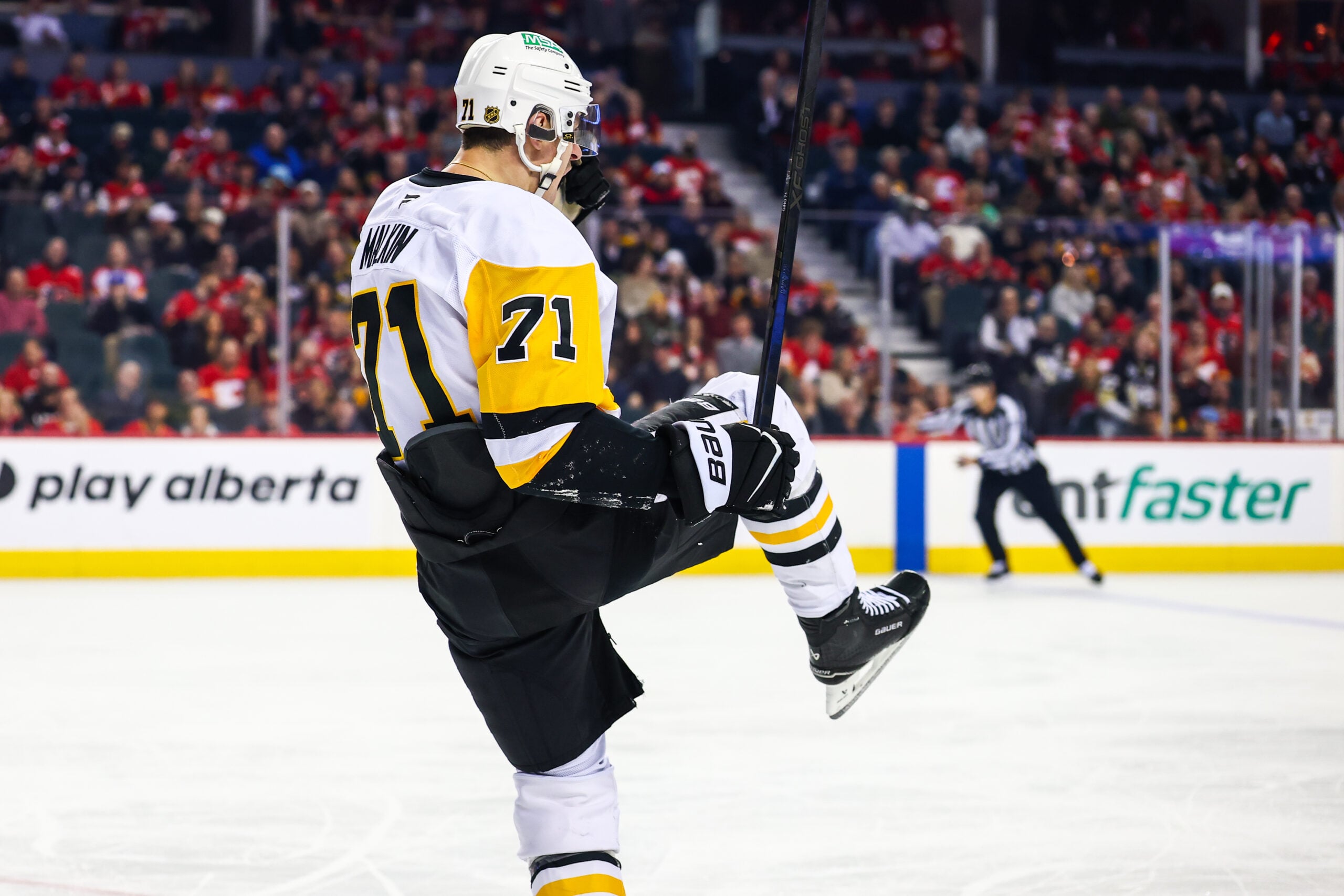
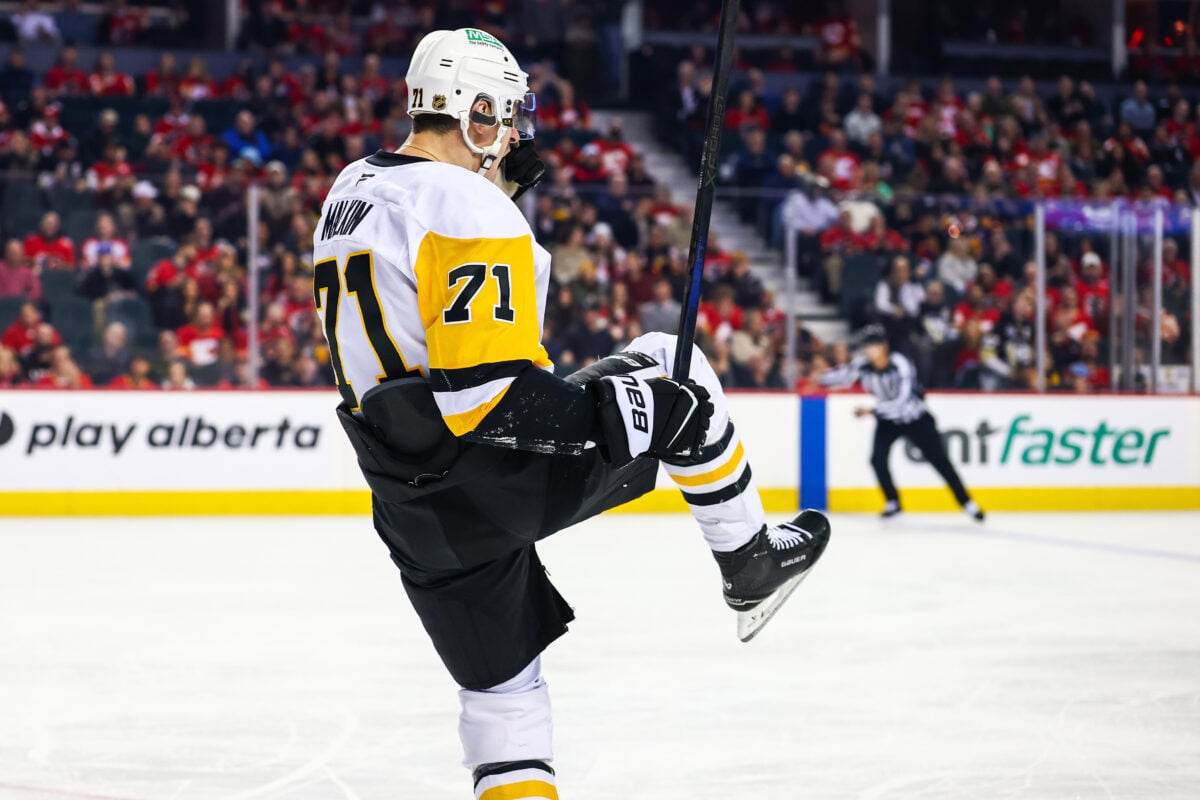
When most hockey fans think of the Penguins, Evgeni Malkin tends to be one of the first few players that come to mind. Coming off his 20th campaign in Pittsburgh, seeing Malkin playing elsewhere in the league would definitely take some getting used to. But now, four seasons after the Russian forward inked a four-year, $24.40 million contract to remain in Pittsburgh, he could wind up doing just that come October.
While Malkin’s play has slowly regressed in recent years, he made a strong case in 2025-26 to remain in Pittsburgh by recording a point-per-game season (61 points in 56 games). However, it’s unknown whether he’ll be able to keep that up going forward. After all, he will be 40 by the time next season begins.
At the same time, his most recent contract wasn’t exactly ideal considering what he brought to the Penguins in return. If Dubas does re-sign him, he may need to eat slightly more cap space to keep a player like Malkin around. But whether he’s willing to do so for an aging player who’s no longer exactly in his prime remains to be seen.
Anthony Mantha
There’s no understating the contributions Anthony Mantha brought to the Penguins in his first year with the team. Now the question is, will it be his last?
Signed back in July of last year as a free agent, Mantha instantly found chemistry alongside players like Malkin, Justin Brazeau, and even youngster Ben Kindel, which culminated in the all-around best season of his career. But once the playoffs arrived, Mantha became a shell of himself for almost the entire series. Stifled by the Philadelphia Flyers’ young core, Mantha managed only a single assist, a far cry from what was expected of him based on his electric regular season.
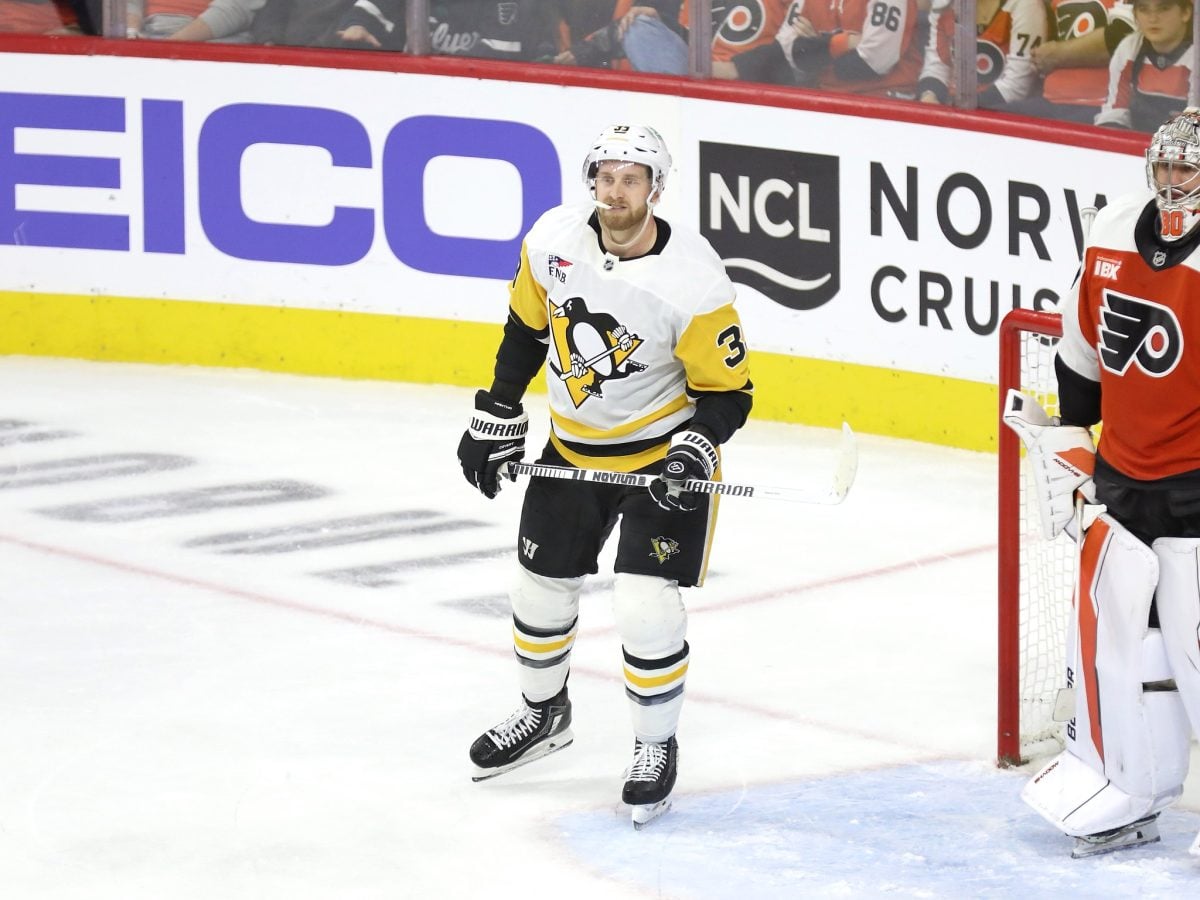
Mantha’s hockey IQ, playmaking ability, and knack for finding the back of the net give the Penguins good reason to sign him, but his playoff drop-off leaves some cause for concern. Additionally, Mantha will likely expect a much bigger payday this time around coming off a career year, and it probably won’t be a team-friendly one.
If the Penguins do re-sign him, he’ll continue to provide a much-needed veteran presence and a strong foundation for the team’s somewhat inexperienced roster. If not, Mantha likely won’t have much trouble finding a team elsewhere willing to take on a hefty contract for him.
Noel Acciari
Though he didn’t have much of an impact on the scoresheet by himself, Noel Acciari’s value this season came from the chemistry he formed on head coach Dan Muse’s fourth line. With Blake Lizotte and Dewar as his wingers, Acciari helped bring energy to the Penguins’ lineup through goals, defensive breakups, and timely body checks. Lizotte even described the trio’s work ethic as a “lunch pail and work boots” mentality.
That connection with his linemates kept Acciari in the lineup for 67 regular-season games, during which he tallied just 25 points. His latest contract cost Pittsburgh only $2 million, and he may be willing to stay around that number if it means he’ll get to keep contributing to that dynamite bottom line. Without Acciari, Dewar and Lizotte would be forced to find a new center who clicks with them just as well. That could take a long time.
The main concern for Acciari is that, unlike his linemates, he’s entering his mid-30s, and he hasn’t exactly aged like fine wine. Regardless, the bond he’s formed with Lizotte and Dewar may still be enough to convince Dubas to extend his stay in Pittsburgh. Only time will tell.
Connor Clifton
Another offseason pick-up ahead of the 2025-26 season by Dubas, Connor Clifton arguably played up to his $3.3 million average annual value (AAV) cap hit. But not right away. After being dealt to Pittsburgh by the Buffalo Sabres in something of a salary dump, Clifton rarely saw action throughout the first half of the regular season. But when he finally did make his way into the lineup, he made his minutes count.
While he’s not the biggest defenseman, Clifton’s game was highlighted by a willingness to lay the body and lights-out penalty-killing. His contributions on the Penguins’ third pairing weren’t anything highlight-reel worthy, but he earned his spot night after night by doing the small things right.
Paired with Ryan Shea on that same third pairing in the postseason, Clifton appeared in the first three games of the Penguins’ first-round battle against the Flyers. After dropping into a 3-0 hole, Clifton was swapped out of the lineup for the remainder of the series.
In short, it’s unlikely Clifton will re-sign in Pittsburgh. While he proved he has the skills to back up his higher cap hit, the Penguins simply don’t have a huge need for a player like him. Dubas already has plenty of defensemen to fill in his spot who will cost him much less money in the form of Jack St. Ivany, among other young players on the rise.
Ryan Shea
Ryan Shea has been surviving as a professional hockey player solely through one-year deals. After spending the first two seasons of his career with the Dallas Stars on an entry-level contract, Shea inked his first real professional contract ahead of the 2022-23 campaign, which kept him in the Stars organization for one more year. From there, he went on to sign three consecutive single-year deals with the Penguins, none of which even touched the $1 million mark.
But now, coming off a career year that saw him log new personal bests in games played (80), goals (six), and points (35), Shea has set himself up to finally sign a deal with some term attached to it.
Like many players, Shea found a new gear under Muse. Instead of being used as a reserve option as he’d been with former bench boss Mike Sullivan, Muse leaned on Shea as a consistent presence on the back end as a left-handed defenseman, something the Penguins will always take more of right now.
Re-signing Shea would certainly cost Dubas significantly more than the 29-year-old’s past contracts have, but at this point, Shea deserves the pay raise. Keeping him in Pittsburgh seems like a logical choice, as he’s only grown as a player the more he’s been exposed to the NHL level.
“Obviously, the future is uncertain, but Pittsburgh has been a great spot for me. It’s been the only spot that’s given me a shot in this league, and it’s worked out. So, I see no reason why I wouldn’t love it here,” Shea told Triblive.com.
Stuart Skinner
When the Penguins acquired Stuart Skinner from the Edmonton Oilers in a mid-season trade in exchange for a struggling Tristan Jarry back last December, it seemed like the trade was more about getting rid of Jarry’s contract than finding a long-term solution in goal for the Penguins. After all, they already have that solution in up-and-coming standout netminder Sergei Murashov.
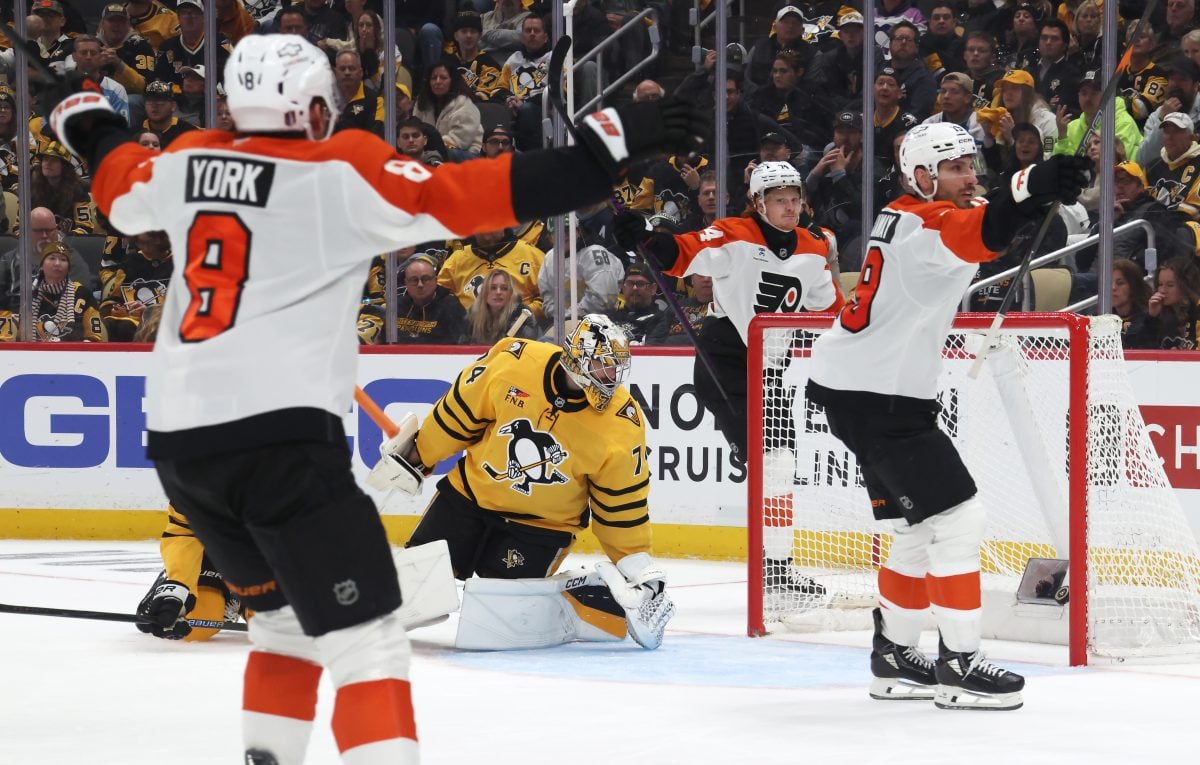
But with Murashov not quite ready to be a full-time NHL starter, adding in a goaltender with much more playoff experience (and a much cheaper one) than Jarry in Skinner made sense. That choice paid off for Dubas. Though Skinner’s start in Pittsburgh was rocky, he found his form late in the campaign and even beat out fellow goalie Artūrs Šilovs for the starting job come playoff time. Boasting a serviceable .885 save percentage through 27 regular-season games, Skinner easily outplayed Jarry and made the trade look better and better for Pittsburgh as time went on.
Though despite his strong performances during his stint in the Black and Gold, it’s hard to say Skinner showed enough consistency during his time in Pittsburgh to warrant a lengthy, lucrative deal. There are plenty of pros and cons to signing a player like Skinner, but for the Penguins and the goaltending situation they are in, their best choice may be to look elsewhere if they can’t sign Skinner to a short-term contract before Murashov arrives.
Each of these players brings plenty of positives to the Penguins’ lineup, but the harsh reality is that not all of them will return to the organization next season as its semi-rebuild continues. Which ones stay and go will likely determine how fast the Penguins return to being a true championship contender.
Free Newsletter
Get Pittsburgh Penguins coverage delivered to your inbox
In-depth analysis, breaking news, and insider takes – free.
Subscribe Free →