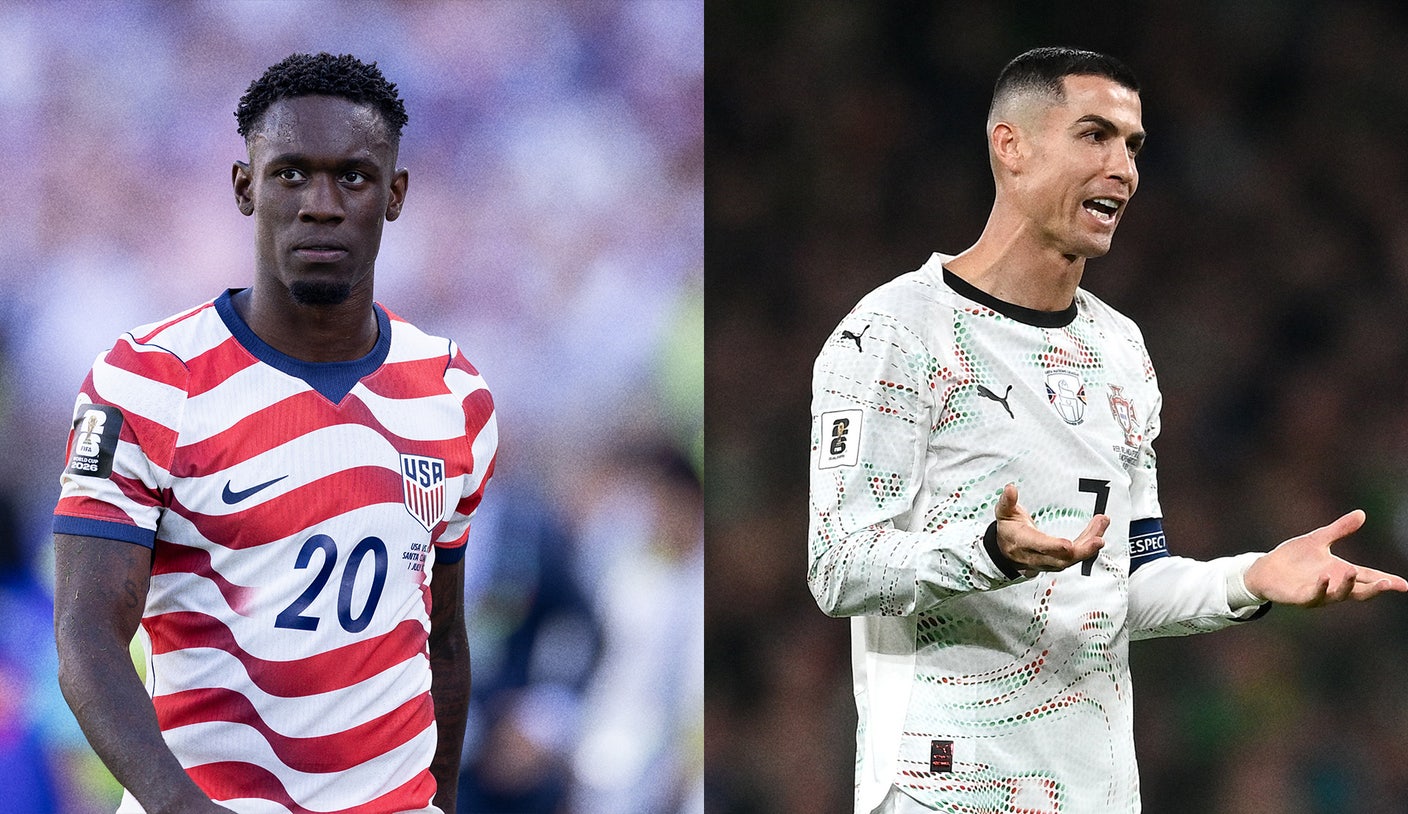
The United States men’s national team will have its star striker Folarin Balogun available when it takes on Belgium in the 2026 FIFA World Cup round of 16 at Seattle Stadium on Monday, and the Stars and Stripes have Cristiano Ronaldo to thank for that — sort of.
Balogun scored but was later sent off with a red card in the USA’s World Cup round of 32 match against Bosnia and Herzegovina. It was a controversial card, resulting in a one-match suspension. But FIFA on Sunday reversed course and cleared Balogun to play for the Americans in their round of 16 match Monday against Belgium.
So how is Balogun’s situation connected? Here’s what to know about Ronaldo’s relation to Balogun’s red-card reversal at the 2026 FIFA World Cup:
The ‘Ronaldo Rule’
(Photo By David Fitzgerald/Sportsfile via Getty Images)
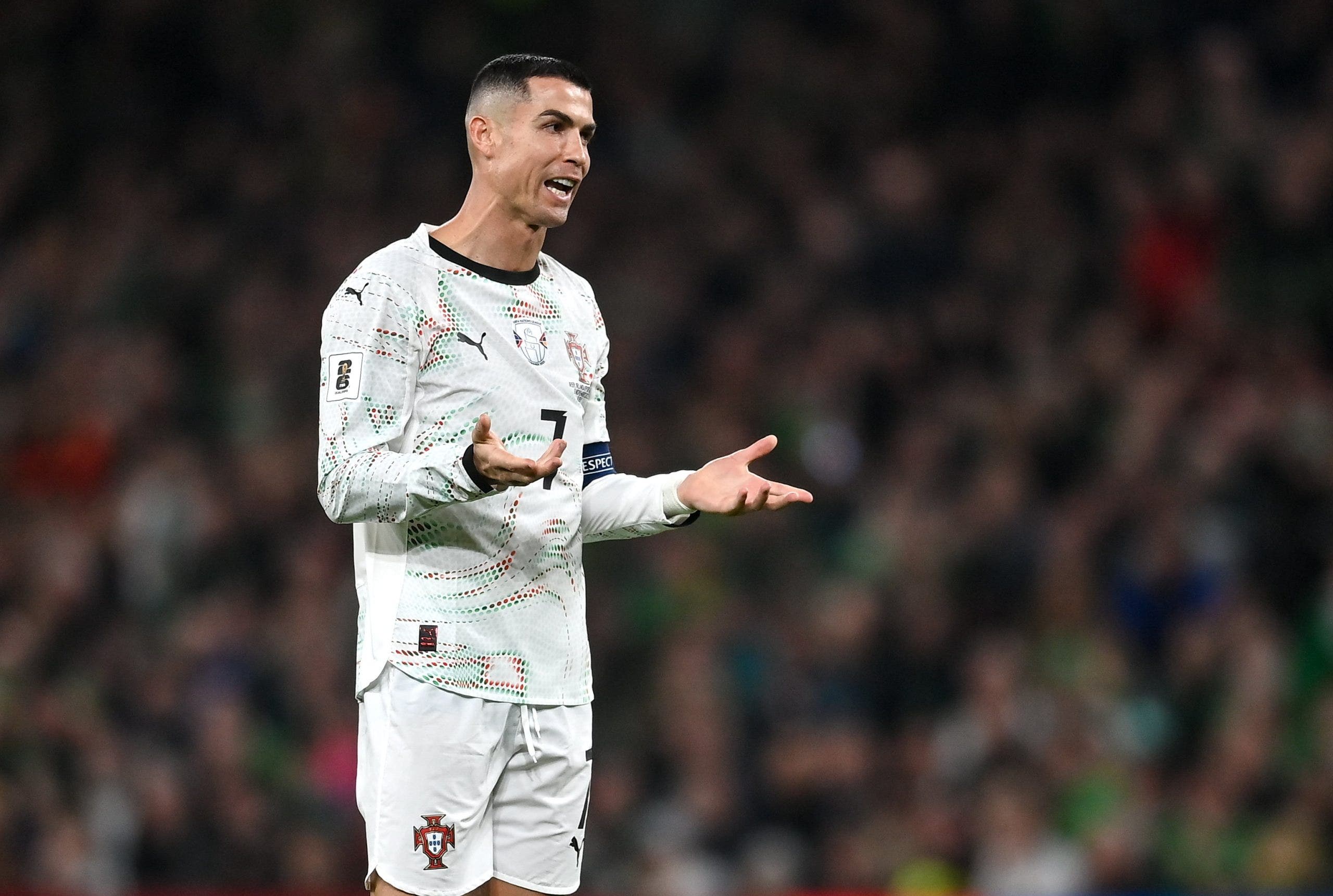
The first high-profile application of the FIFA Disciplinary Code in Chapter 4, Article 27, regarding a player suspension involved Portugal superstar Cristiano Ronaldo.
Ronaldo received a direct red card during Portugal’s final World Cup qualifier in November for elbowing Ireland defender Dara O’Shea in the back.
The FIFA Disciplinary Code typically mandates a strict three-match ban for violent conduct, which would have ruled Ronaldo out of the opening match of the 2026 FIFA World Cup.
Instead, the FIFA Disciplinary Committee issued a suspended suspension using Chapter 4, Article 27 of the FIFA Disciplinary Code. This allowed Ronaldo to serve his one-match suspension in a pre-World Cup friendly and deferred the remaining two matches under a one-year probationary period.
How Balogun Benefited
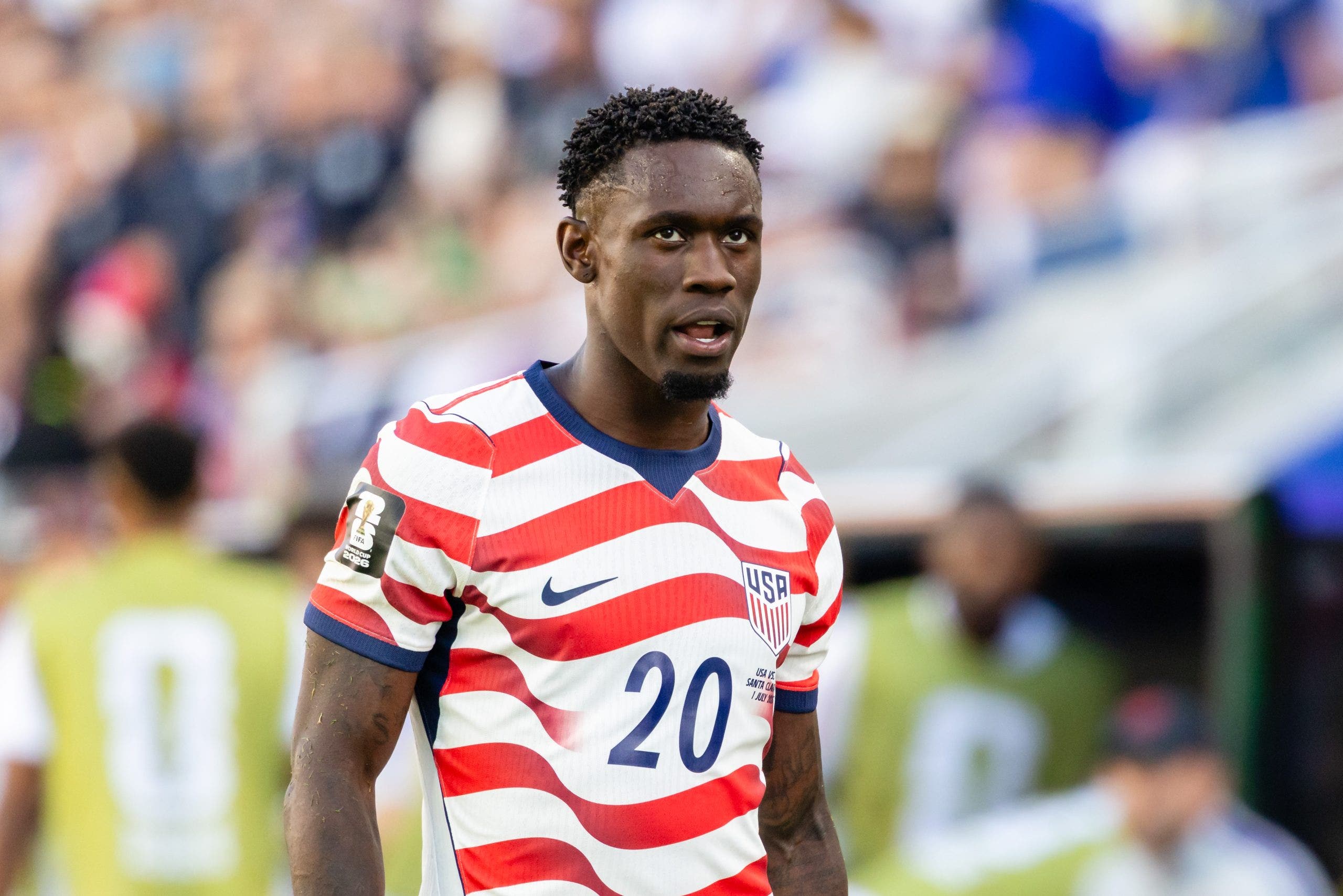
(Photo by Matthew Huang/Icon Sportswire via Getty Images)
Balogun was initially ruled out of the United States’ round of 16 match against Belgium after receiving a red card in the Americans’ round of 32 match against Bosnia and Herzegovina on Wednesday.
A red card, according to Article 10, Section 6 of the FIFA Disciplinary Code, states that “If a player or team official is sent off as a result of a direct or indirect red card [second caution], they will automatically be suspended from their team’s subsequent match.”
However, the FIFA Disciplinary Committee ruled on Sunday that his automatic one-match suspension for receiving a red card would be reversed, citing Chapter 4, Article 27 of the FIFA Disciplinary Code on suspension of implementation of disciplinary measures, which notes that the “judicial body may decide to fully or partially suspend the implementation of a disciplinary measure.”
Why Other Cases Differ
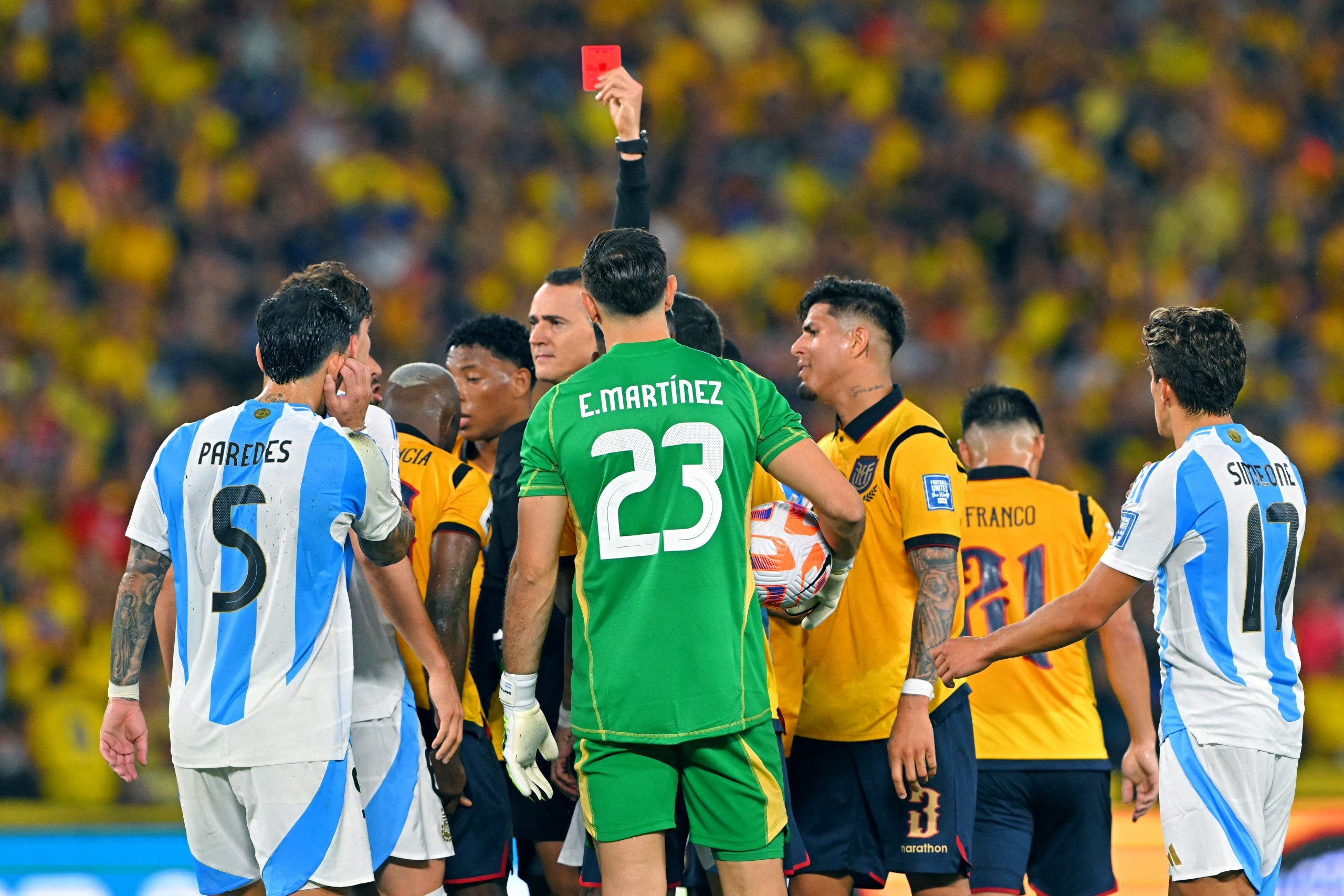
Photo by Rodrigo BUENDIA / AFP via Getty Images)
Ecuador midfielder Moises Caicedo and Argentina center back Nicolas Otamendi both benefited from a FIFA ruling before the start of the 2026 World Cup, but the justification for their suspended punishments was different.
While Balogun and Ronaldo benefited from Chapter 4, Article 27 of the FIFA Disciplinary Code, Caicedo’s and Otamendi’s punishments were suspended as a result of an amendment made to Article 10, paragraph 2 of the FIFA World Cup 2026 Competition Regulation prior to the start of the tournament.
The amended language states that “single yellow cards and pending one or two-match suspensions as a consequence of cautions in different matches in the preliminary competition, an indirect red card, or a direct red card for denying the opposing team a goal or an obvious goalscoring opportunity or for serious foul play are not carried over to the final competition.”
Caicedo was sent off during Argentina’s heated World Cup qualifier vs. Argentina match after receiving two yellow cards; Otamendi was shown a straight red card.
Additionally, the FIFA Disciplinary Code has been re-written several times over the past decade, with the most drastic overhaul coming in 2019. Chapter 4, Article 27 has only existed as we know it now since 2023.