Egypt nearly put Argentina on the ropes in the 58th minute of Tuesday’s World Cup round of 16 match, until VAR had stepped in.
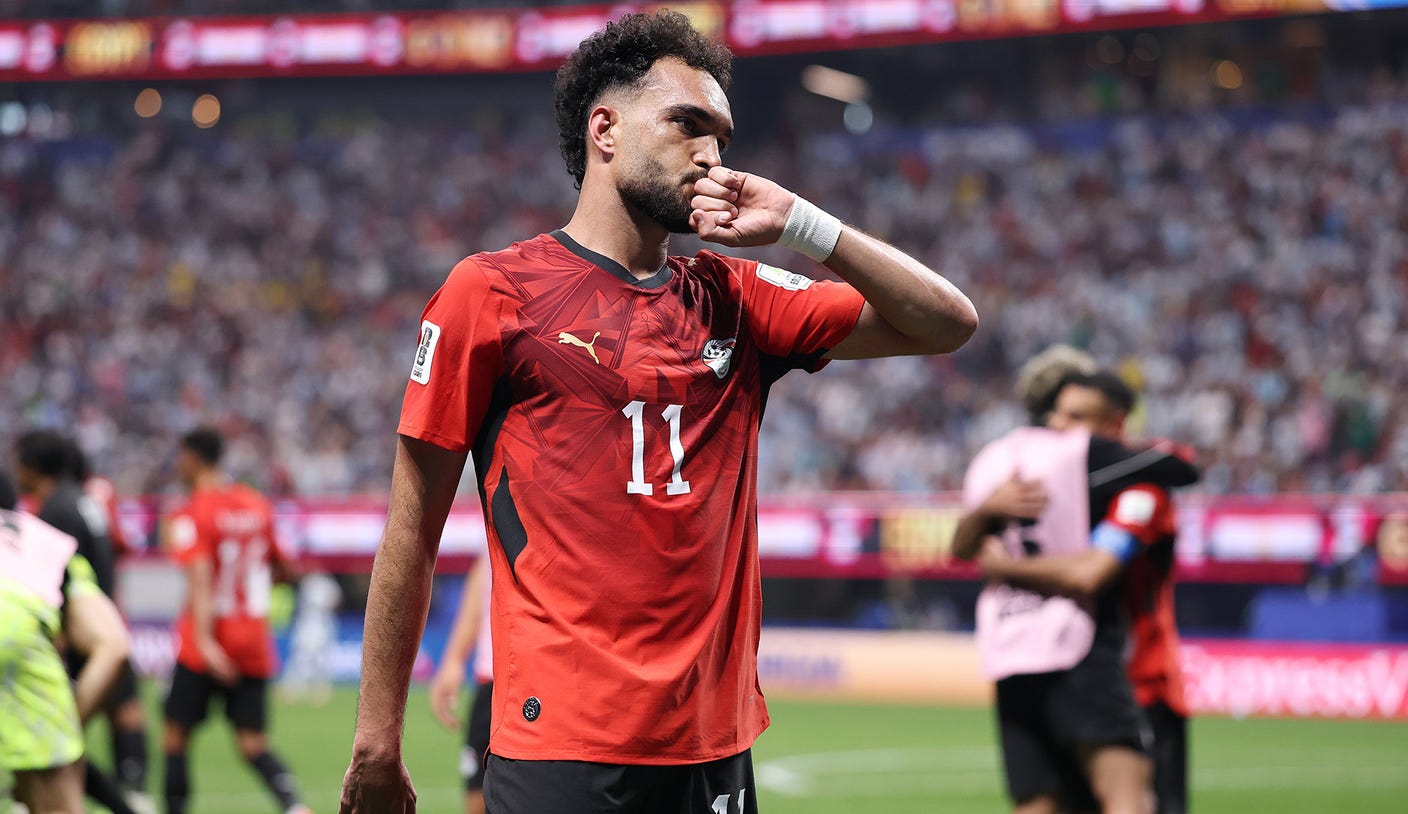
Midfielder Mostafa Zico’s breakaway goal that would’ve put Egypt up, 2-0, was disallowed after a VAR check determined that midfielder Marawan Attia fouled Argentina defender Lisandro Martínez prior to the goal. However, the foul occurred while Argentina was on the attack, leading to some controversy over whether VAR overstepped its reach.
“Surely, this is not within VAR’s [realm] to review this,” FOX Sports analyst Rob Green said on the broadcast. “It’s a full length of the pitch away.”
FOX Sports soccer officiating expert Dr. Joe Machnik, meanwhile, thought that the fact that it was a foul meant that the goal should’ve been disallowed.
“A foul in the attacking phase of play, which leads to a goal or possession by the team that [scores] a goal can result in the goal being disallowed and being given a free kick,” Machnik explained.
Still, Green thought that Argentina got away with one as he disagreed with the decision.
“What a let off for Argentina. The full length of the pitch,” Green continued. “That, 100 yards away, someone stepping on someone’s toe is not why VAR was brought into the game. We’ve got to a point now where we’ve reached far beyond the powers that it should have. The referee saw the tackle, decided not to give it and Egypt, with a brilliant breakaway goal, have been denied a two-goal cushion.”
Argentina wasn’t able to do anything with the ensuing free kick, and Egypt was able to take a 2-0 lead when Ziko scored again in the 67th minute. However, Argentina scored in the 79th minute to cut Egypt’s lead to 2-1, and Lionel Messi scored the equalizer in the 83rd minute. So, the disallowed goal looms large.
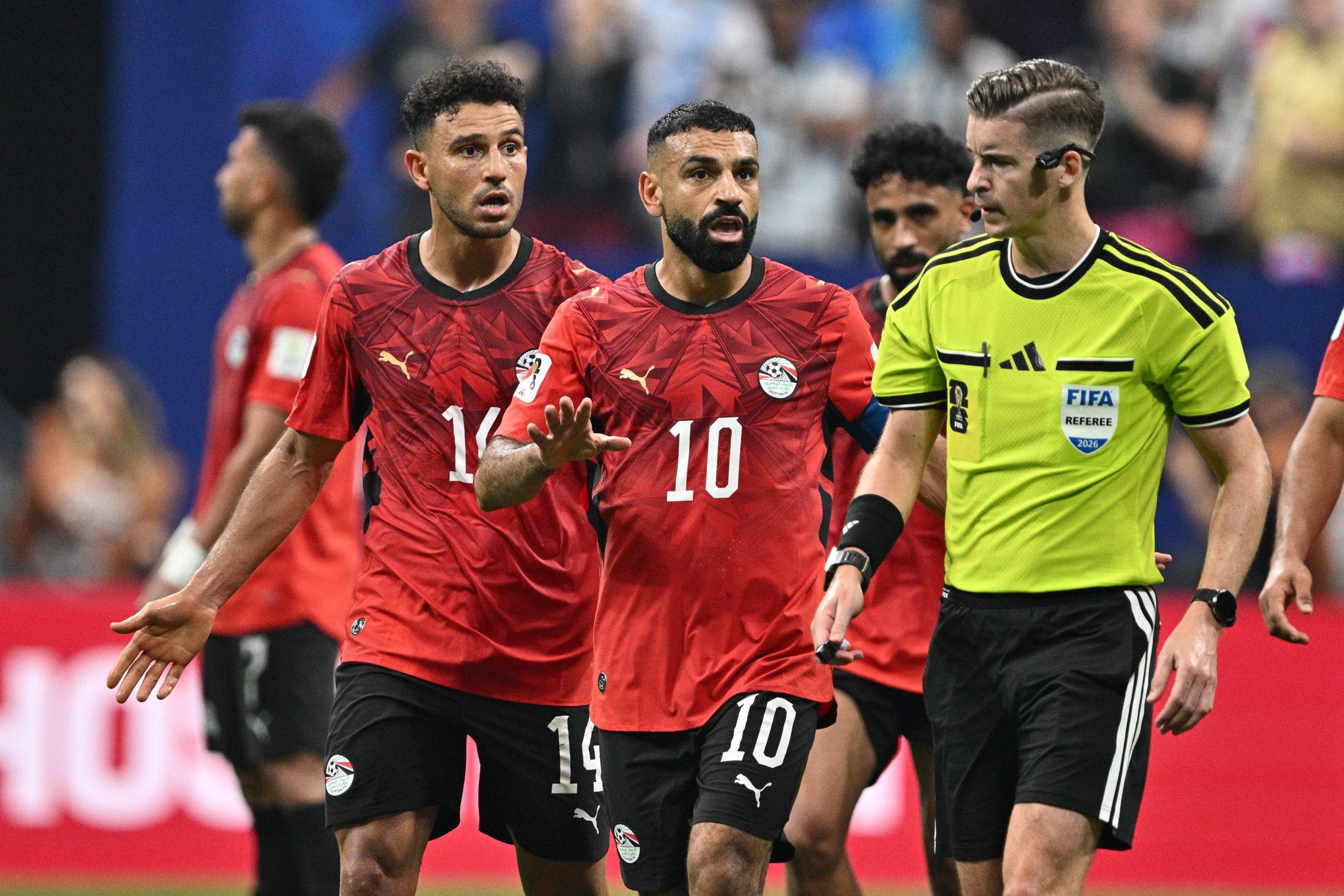
Referee Francois Letexier was at the center of controversy on Tuesday after an Egypt goal was ruled out following a VAR review. (Sebastian Frej/Getty Images)
‘This Is Not A Decision For The VAR’
FOX Sports’ other soccer rules analyst, former FIFA referee Mark Clattenburg, disagreed with both the call and VAR review altogether.
“I don’t believe that A. it was a foul and B. there should be a VAR intervention to disallow this goal,” Clattenburg told us after the match.
“This is not a decision for the VAR,” he added.
He pointed to a lack of consistency in enforcement throughout this World Cup with previous comparable incidents not getting VAR’s second looks.
“My take on it is simple: This challenge, this type of foul, isn’t consistent to the way the referees have been refereeing this tournament,” Clattenburg said. “They’ve been allowing some physical challenges. They’ve been allowing some physical contact. And you can argue this is not a foul. And certainly, this is not a VAR intervention when the referee has made the call on the field of play, and it’s such a very subjective decision if it’s a foul or not. It’s not a clear foul.”
Clattenburg also shared Green and others’ stance on the tremendous distance and time between the foul and the disallowed goal.
“VAR [was] looking at something too deeply and looking for something that has happened in the game to try to cancel the Egypt goal,” Clattenburg continued.
“This one had many passes and a long distance to the goal and a long time. It’s not like one or two seconds. It must have been, what, 10 seconds from the foul to the goal being scored, so it’s too long also.”
Because of both the questionable contact and it being about three-quarters of the field from the goal, the play should have been flagged, especially because Argentina had time to reset, he said.
“If we look at Argentina,” Clattenburg added, “they’ve had some decisions that have certainly benefited, and this is one that has certainly benefited Argentina because this was a canceled goal. And certainly a lot of people around the world will see this as unfair VAR intervention.”
‘It Fulfills The Protocol’
After the match, Machnik elaborated on the call on “World Cup NOW” that the process used to take the goal off the scoreboard and call the foul was correct.
“It has long been part of the VAR protocol, this was one of the earliest things that they decided, that they didn’t want a foul which led to the scoring of a goal to enable that goal to be given,” Machnik said. “Now, they never said that there was a distance, that the foul was going to be five seconds before or 75 yards away. As long as the one team didn’t regain possession or make a play, that possession was cleanly gained from the foul and that foul led to possession that led to the goal.
“It fulfills the protocol, and that’s why it was disallowed.”
While the referee on the field likely saw the tackle, and opted to let play continue, Machnik pointed out that doesn’t mean the on-field decision will always stand.
“Officiating, at this level, is all a question of angles,” Machnik said. “So, the angle the referee may have had, that foul happened in a corner of the field. He’s quite a distance away. He might not have had an angle on it. The assistant referee on that side of the field is way up the other end.
“So, what the VAR is saying is, ‘Let me show you a different angle.’ And when you see the different angle, there’s a foul, stepped on his foot.”
Machnik acknowledged that VAR did take away a magical moment for Egypt and that the end result won’t always be a decision that people are happy with.
“We don’t like it,” Machnik said. “Most of the time, this is how I feel about what VAR has done to the game. About 75% of the time, it takes away something that is fun. The other 25% of the time, it presents us with something that’s ugly and painful.”
WHAT YOU SHOULD READ NEXT
Argentina completed an unbelievable comeback on Tuesday afternoon.
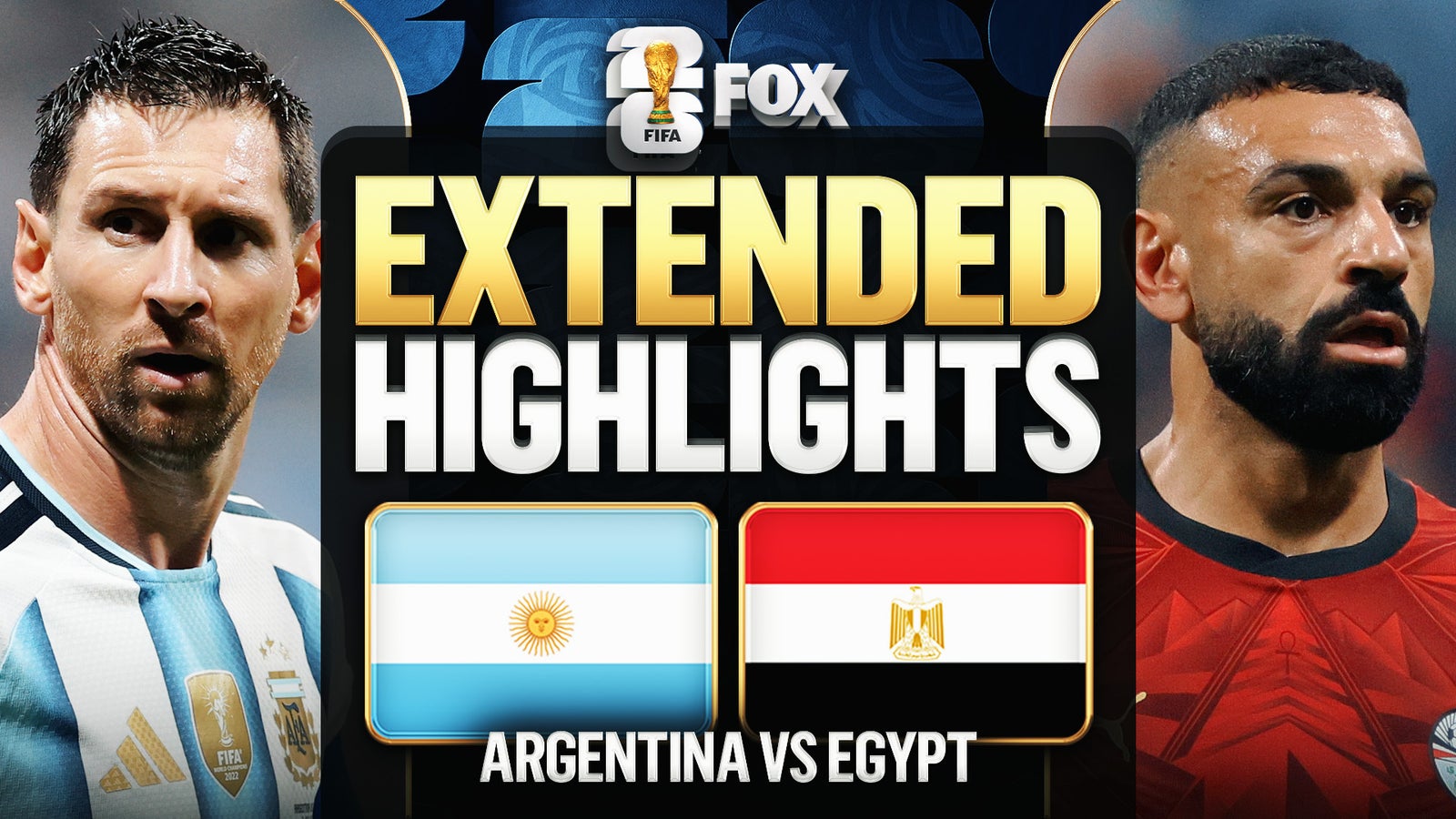
Argentina vs Egypt Extended Highlights 🌎🏆 2026 FIFA World Cup™ | Round of 16